
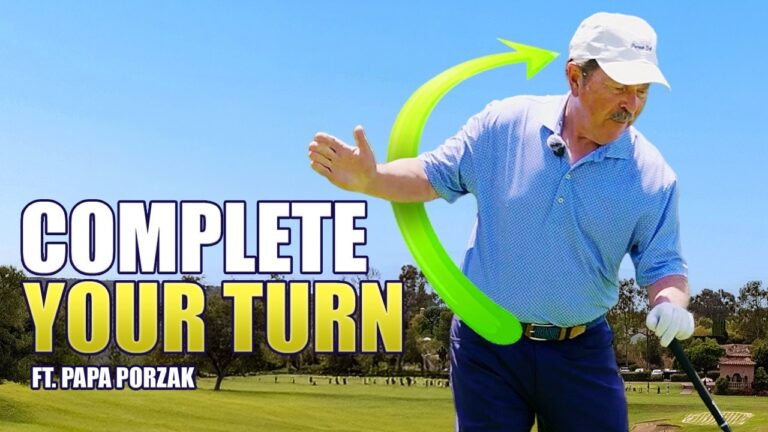

If you are trying to rebuild your golf swing after back surgery, the goal is not to force more turn. It is to create a setup and motion that give you the best possible range of motion post back surgery golf swing without putting your body in bad positions.
That usually means making smart adjustments before the club ever moves. For many golfers, the biggest gains come from setup, posture, and the way the trail shoulder turns behind the body. Done well, those changes can help you swing more freely, stay out of pain, and hit the ball solidly again.
Table of Contents
- Step 1: Understand what range of motion post back surgery golf swing really means
- Step 2: Start with a setup that gives you room to turn
- Step 3: Avoid the reverse C and other back-unfriendly positions
- Step 4: Use the trail shoulder to create a better turn
- Step 5: Retract the shoulder blade instead of letting the shoulder get loose and excessive
- Step 6: Make foot and flare adjustments only if they actually help your motion
- Step 7: Keep your head stable, but do not freeze it
- Step 8: Learn the difference between turning and lifting
- Step 9: Get off your trail side and keep hand speed through impact
- Step 10: Use simple feels, not a long list of mechanical fixes
- Step 11: Build your range of motion post back surgery golf swing around your body, not a method
- Step 12: Try this practical range session plan
- Common mistakes golfers make after back surgery
- FAQ
- Final takeaway
Step 1: Understand what range of motion post back surgery golf swing really means
After back surgery, you may be pain free but still feel stiff. That is an important distinction. Stiffness often changes how you turn, how you shift pressure, and how you move through impact.
In a healthy golf swing, your body needs enough mobility to:
Turn the shoulders without excessive lifting
Stay centered enough to strike the ball consistently
Move through the shot without stalling
Avoid harmful compensations such as excessive arching or crunching
A good range of motion post back surgery golf swing is not about copying a textbook model. It is about finding the setup and feels that work for your structure, your surgical history, and your current flexibility.
That is a key point many golfers miss. There is no one pattern that fits everybody, especially after shoulder or back procedures.
Step 2: Start with a setup that gives you room to turn
If your body is tight, setup matters even more than usual. A poor address position can make you feel locked up before the backswing even begins.
One of the clearest ideas here is simple: set up in a way that creates room for rotation.
That can include:
A small hip bump to help organize posture
A stance and foot position that allow the pelvis to move more naturally
A balanced posture that avoids getting jammed over the ball
Golfers with back issues often set up in a cramped position and then try to make a full turn from there. That usually leads to the body crunching instead of rotating.
If your setup gives you no space, your backswing will often turn into a lift.
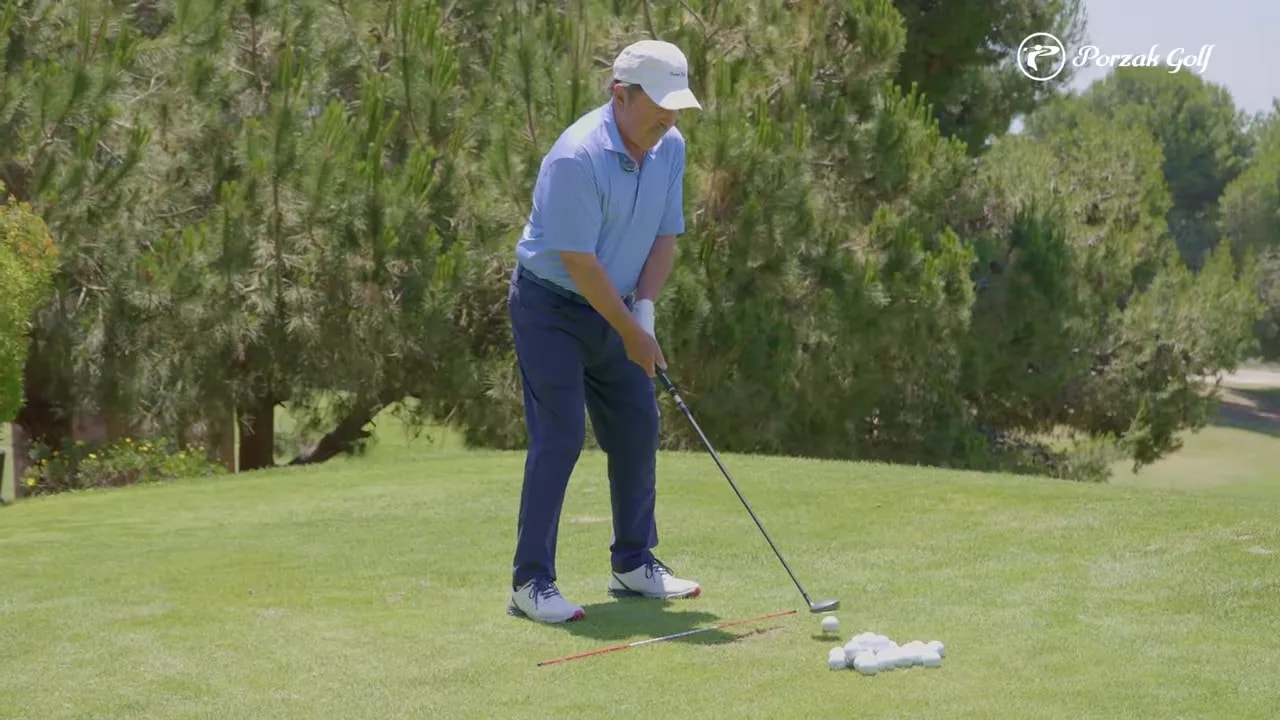
Why the hip bump matters
A slight hip bump can help you get into a more athletic position and avoid the look many amateurs fall into, where the lower back is stressed and the body appears compressed at address.
The point is not to exaggerate it. You are just trying to organize your body so that turning feels possible rather than restricted.
For the golfer recovering from surgery, small setup improvements can produce a surprisingly big difference in comfort and motion.
Step 3: Avoid the reverse C and other back-unfriendly positions
If you are building a range of motion post back surgery golf swing, one of your first priorities is removing positions that ask too much of the lower back.
A common problem is the old reverse C look, where the spine is forced into a shape that adds stress and compression. That may happen at setup, through the swing, or in the finish.
Warning signs include:
Excessive arch in the lower back
A feeling of crunching during the swing
Trying to create turn by bending sideways instead of rotating
Finishing with the chest back and the pelvis stalled
If you have had lumbar surgery or fusion, these positions are especially important to clean up. You want rotation and flow, not forced spinal shape changes.
A better thought
Instead of trying to make a huge backswing, think about making a more efficient one. Efficient usually means:
Better setup
Less compensation
More natural shoulder turn
A finish where the body keeps moving
Step 4: Use the trail shoulder to create a better turn
One of the most practical swing thoughts for a golfer with limited flexibility is to focus on the trail shoulder moving back behind you.
For a right handed golfer, that means the right shoulder working behind the body in the backswing.
This is useful because many golfers get stuck thinking they must shove the lead shoulder down under the chin. That thought can sometimes make the motion feel crowded or forced, especially if your back or shoulders are tight.
Thinking of the trail shoulder moving back can make the turn feel simpler and more achievable.
Benefits of this feel can include:
A fuller shoulder turn without strain
Less lifting of the arms
Better width and structure
A motion that matches limited mobility better

If you have been fighting a short, steep, or handsy backswing after surgery, this may be one of the best feels to test on the range.
Step 5: Retract the shoulder blade instead of letting the shoulder get loose and excessive
For golfers returning from shoulder issues as well as back issues, shoulder organization matters. A helpful idea is to allow the shoulder blade to retract as you set up and begin turning.
That can help the shoulder work with the body rather than moving independently in a way that feels unstable or excessive.
In practical terms, this can:
Help you feel more connected at the top
Support the trail shoulder moving behind you
Reduce the urge to pick the club up with the arms
Make the turn feel more centered and less stressful
If your history includes shoulder surgery, this kind of coordinated motion can be especially important. You want the torso and shoulder complex working together, not fighting each other.
Step 6: Make foot and flare adjustments only if they actually help your motion
Foot flare can be a good tool for creating more room, but it is not automatically the right answer for every golfer.
That is an important lesson for the range of motion post back surgery golf swing. A change may improve mobility in one part of the swing but interfere with another piece, such as how you push off the ground or how steady your head feels.
For example, you might flare a foot and gain some backswing freedom, but then notice:
Your head feels less stable
You lose your usual anchor point
You struggle to move through impact the same way
That does not mean the change is wrong. It means it needs to be matched to your swing tendencies.
Golf instruction after surgery should be highly individual. If an adjustment gives you more turn but worsens contact or control, it may need refining rather than blind commitment.
Step 7: Keep your head stable, but do not freeze it
Many golfers use the head as an anchor point. That can be helpful, especially for contact. But there is a difference between a stable head and a frozen head.
If you lock your head in place so aggressively that your body cannot turn, you may create tension and restrict motion even more.
A better approach is:
Let your head remain relatively centered
Allow natural motion that comes from turning
Avoid swaying off the ball
Avoid forcing zero movement
For golfers recovering from back surgery, too much rigidity can be just as unhelpful as too much movement.
Step 8: Learn the difference between turning and lifting
One of the biggest post surgery swing problems is substituting lift for turn.
When your back feels tight, it is tempting to just pick the arms up and call it a backswing. The trouble is that lifting tends to create inconsistency, steepness, and a lack of flow through the ball.
Turning is different. A true turn helps the shoulders move around the spine and allows the club to travel with the body.
Ask yourself these questions:
Do you feel your trail shoulder working behind you?
Or do you mainly feel your arms going upward?
Do you finish the backswing with width and balance?
Or do you feel stuck and disconnected?
If it feels like all arms, you probably need to revisit setup and the shoulder turn feel.
Step 9: Get off your trail side and keep hand speed through impact
Back surgery can affect not only the backswing but also the through swing. Many golfers can get the club back reasonably well, then struggle to move through the strike.
That often shows up as:
Hanging back on the trail side
A stalled lower body
A give up move through impact
Loss of hand speed
If that sounds familiar, work on moving through the ball with enough energy in the hands and hips to keep the club traveling.
You do not need a violent move. You do need continuity. The body and club should keep going rather than quitting at impact.

For many golfers, this is where solid strikes and a reliable gentle draw start to return.
Step 10: Use simple feels, not a long list of mechanical fixes
Golfers coming back from surgery often overload themselves with technical thoughts. That usually makes the swing tighter.
A better plan is to choose one or two clear feels that improve motion quickly.
Examples include:
Set up with enough room to turn
Make a small hip bump
Feel the trail shoulder move behind you
Keep moving through the ball
Simple does not mean careless. It means using the smallest number of thoughts needed to produce a repeatable motion.
That is especially useful when your body has limitations. The more complicated the swing thought, the harder it is to perform under pressure.
Step 11: Build your range of motion post back surgery golf swing around your body, not a method
This may be the most important point of all. Golfers are built differently, and that matters even more after surgery.
Your height, hip mobility, thoracic rotation, shoulder history, and surgical changes all affect what your best swing looks like.
So instead of asking, “What is the correct swing?” ask:
What setup gives me the most comfortable turn?
What shoulder feel helps me rotate instead of lift?
What lets me strike it solidly without pain?
What keeps me moving through impact?
That is how you create a functional range of motion post back surgery golf swing that holds up on the course.
Step 12: Try this practical range session plan
If you want to test these ideas, use this simple progression.
Warm up with motion, not speed
Make slow rehearsal turns without a ball
Feel the trail shoulder move behind you
Check that your setup does not feel cramped
Hit short shots first
Start with half swings
Focus on turning, not lifting
Keep moving through impact
Add length gradually
Move to three quarter swings
Only go longer if contact stays solid and your body feels good
Notice whether setup changes improve freedom or hurt your strike
Finish with your gamer ball flight
Try to reproduce your natural pattern, such as a small draw
Avoid chasing a dramatic shape that forces more body than you have
Common mistakes golfers make after back surgery
Trying to swing like they did before surgery. Your body may need a new pattern.
Ignoring setup. Poor address position can create the swing problem before the swing starts.
Forcing a massive turn. Efficient turn beats forced turn.
Lifting the arms instead of rotating. This usually hurts both contact and consistency.
Stalling through impact. You still need motion through the ball.
Following one-size-fits-all advice. Post surgery golf is highly individual.
FAQ
Can you play good golf after back surgery?
Yes, many golfers can return to solid play after back surgery, especially when pain is reduced and the swing is adjusted to fit current mobility. The key is building a motion around comfort, setup, and efficient turn rather than trying to force old positions.
What is the best swing thought for range of motion post back surgery golf swing?
A very helpful thought is feeling the trail shoulder move back behind you in the backswing. For many golfers, that creates a better turn with less strain than trying to force the lead shoulder down or make an oversized backswing.
Should you flare your feet after back surgery for golf?
Sometimes, but not automatically. Foot flare can create more room to turn, yet it may also affect your balance, head stability, or how you move through the ball. It should be tested based on your own motion rather than assumed to be right for everyone.
How do you avoid hurting your back in the golf swing after surgery?
Focus on setup, avoid back-unfriendly positions such as excessive arching or crunching, and make a turn that fits your current mobility. A swing that is efficient and repeatable is usually safer than one that chases extra range by force.
Why do golfers lift their arms after back surgery instead of turning?
Stiffness often makes rotation feel limited, so the body finds an easier shortcut by lifting the arms. That usually creates a less connected backswing. Better setup and a clear shoulder-turn feel can help you rotate more naturally.
Final takeaway
The best range of motion post back surgery golf swing is usually not a bigger swing. It is a smarter one.
Start with a setup that gives you space. Avoid positions that crunch the back. Feel the trail shoulder move behind you. Keep the motion simple and keep moving through impact.
If you do that, you give yourself the best chance to play comfortable, solid, golfer-friendly golf again.
0 Comments