


If you want more solid contact, tighter shot patterns, and a golf swing that holds up under pressure, start with two fundamentals: setup and connection. Many golfers chase positions in the backswing or try to force better impact, but pure strikes usually come from simpler causes. Your address position influences your low point, face control, path, and balance. Your connection determines whether your body and hands work together or fight each other through the ball.
This guide explains how pure strikes start with setup and connection, how to practice those skills, and how to adjust ball flight without rebuilding your swing every time.
Table of Contents
- Step 1: Understand why pure strikes start with setup and connection
- Step 2: Build a repeatable setup before you work on swing mechanics
- Step 3: Learn what connection actually feels like in the downswing
- Step 4: Fix early extension so your setup and connection can hold up
- Step 5: Use setup and connection to shape a draw or fade correctly
- Step 6: Control trajectory with small setup changes, not a new swing
- Step 7: Practice for ball flight feedback, not just ball count
- Step 8: Check your contact pattern with turf interaction
- Step 9: Lower scores by focusing on the bookends of the hole
- Step 10: Put yourself under pressure in practice and competition
- Common mistakes golfers make when trying to hit pure iron shots
- Quick checklist: pure strikes start with setup and connection
- Frequently Asked Questions
- Final takeaway
Step 1: Understand why pure strikes start with setup and connection
The phrase pure strikes start with setup and connection matters because contact is often decided before the club ever moves. If your setup is inconsistent, your swing has to make last-second compensations. If your arms, hands, chest, and lower body are disconnected, timing becomes difficult and strike quality gets unpredictable.
Good setup and connection help you:
Return the club to the ball more consistently
Control curve without making huge swing changes
Manage trajectory more easily
Stay in posture through impact
Reduce glancing contact and weak fades
Hit solid iron shots with a more reliable divot pattern
For many players, setup is the fastest improvement point because it is measurable and repeatable. Connection is what lets that setup stay intact during motion.
Step 2: Build a repeatable setup before you work on swing mechanics
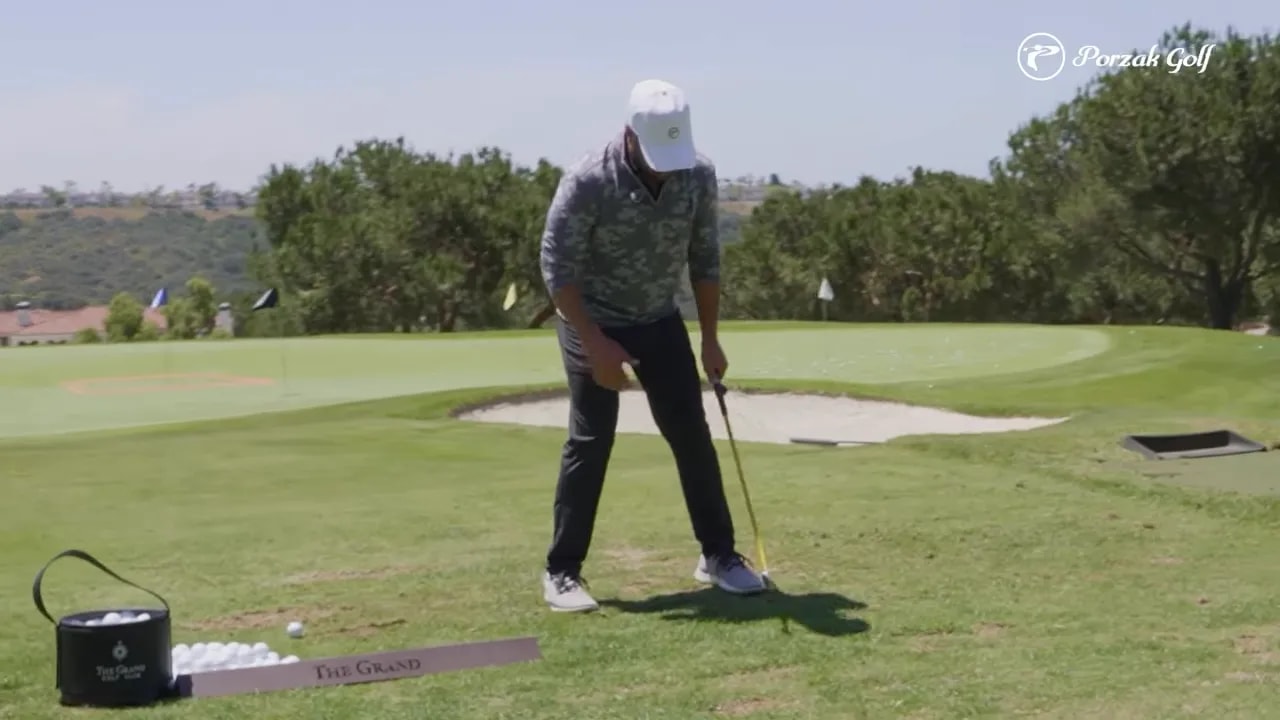
If your goal is better ball striking, your first checkpoint should be your address position. A repeatable setup gives you a dependable starting point for every shot.
Focus on these basics:
Ball position that matches the club and shot shape you want
Distance from the ball that allows your arms to hang naturally
Posture that keeps your chest athletic and your hands under you
Alignment that supports your intended start line
Weight and pressure that do not force you to stand up through impact
One of the biggest takeaways for better players is that ball flight changes can often be created with subtle setup adjustments rather than a completely different swing. If you want to hit a draw or fade, begin by adjusting address and intention, not by adding extra hand action.
That matters because golfers often overcomplicate shape changes. A controlled draw and a controlled fade do not need to feel like opposite golf swings. Small changes in setup can encourage the shot without creating chaos.
Simple setup checkpoint list
Stand in balance, not on your heels or toes
Let your arms hang without reaching
Set the clubface first, then build your body around it
Match ball position to the shot you need
Rehearse the same posture before every swing
Step 3: Learn what connection actually feels like in the downswing
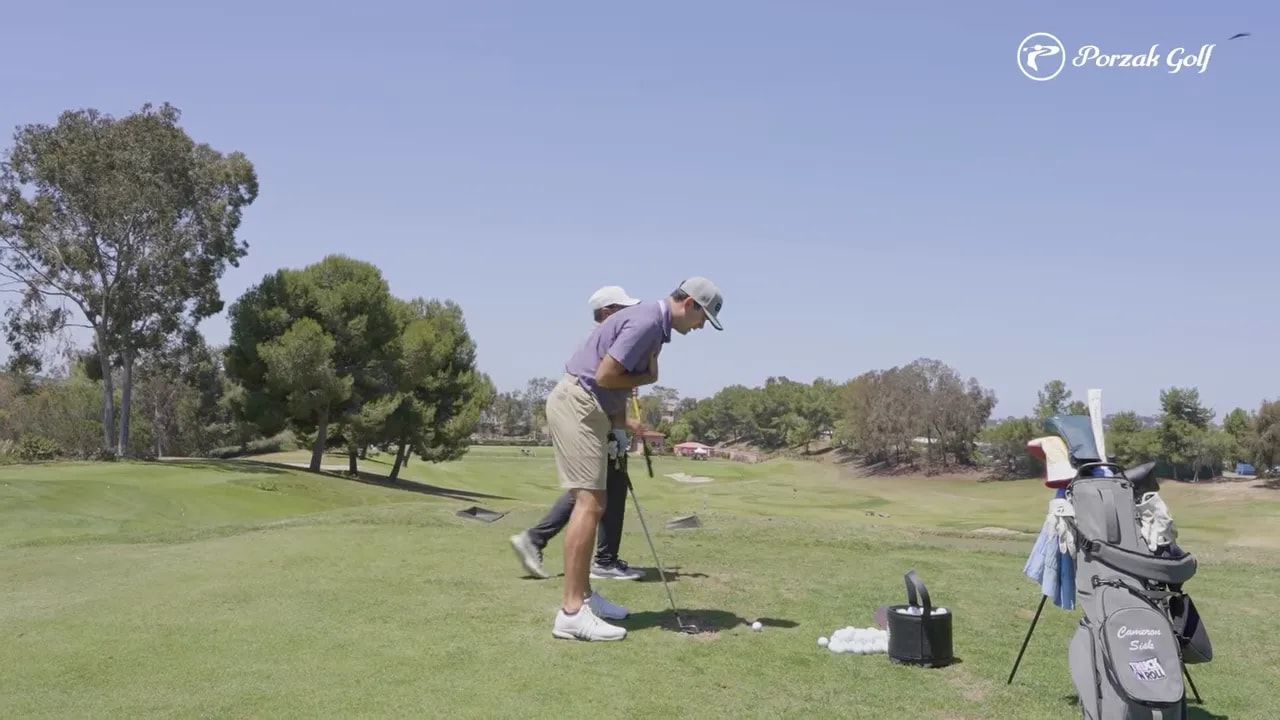
Connection is not about tension. It is about sequencing. When you are connected, your body rotation and hand motion work together through the strike. The club does not get thrown from the top, and your hands do not get trapped behind your body.
A useful way to think about connection is this: your chest, arms, and hands move as one unit long enough to deliver the club efficiently. That produces a more centered strike and a more stable clubface.
For some golfers, connection improves when they feel the upper body stays closed a fraction longer in transition on draw shots. That can create space for the hands to shallow and release naturally. For others, connection improves when they simply feel their hands return under them instead of lifting away from the body.
The key is not the exact swing thought. The key is the result:
Club stays in a playable slot
Chest stays in posture
Hands do not outrun the pivot or lag behind it
Strike becomes more centered
Step 4: Fix early extension so your setup and connection can hold up
If you struggle with thin shots, blocks, hooks, or a cramped impact position, early extension may be part of the problem. Early extension happens when your hips move toward the golf ball too soon. When that happens, your chest tends to stand up, your hands get pushed high, and the club becomes harder to deliver consistently.
This is one of the biggest reasons golfers lose their posture and stop compressing the ball.
Common signs of early extension
Thin or toe-heavy contact
Very shallow or narrow divots
Hands lifting through impact
Club getting stuck behind you
Having to save the shot with timing
A simple wall drill
Use a wall or alignment stick behind your hips. In the backswing, feel your trail glute stay in contact with that line. In the downswing, feel your lead glute replace it by moving back, not toward the ball.
This helps you:
Keep your chest down longer
Return your hands underneath you
Rotate instead of thrusting
Maintain posture into impact
For some golfers, the best feel is not “keep the trail hip back.” It is “pull the lead hip back hard.” Both ideas can solve the same problem. Choose the one that gives you better rotation without tension.
If your divots are razor-thin and the toe seems to dig first, this pattern is worth checking immediately.
Step 5: Use setup and connection to shape a draw or fade correctly
One of the best ways to improve your scoring is to learn a dependable stock shot, then build a second shape with subtle setup changes. That is where the idea that pure strikes start with setup and connection becomes especially useful.
A proper fade should not feel like a weak wipe across the ball. A proper draw should not require a violent flip. In both cases, you still want efficient contact.
How to think about a controlled fade
A good fade is not a glancing blow. With irons, a well-struck fade may fly a few yards shorter than a draw, but it should not cost 15 to 20 yards. If it does, you are probably cutting across the ball too much and losing compression.
Signs of a good fade:
Ball starts near the target line and falls gently right
Distance loss is modest, not dramatic
Contact still feels heavy and compressed
Ball flight stays stable rather than floating weakly
How to think about a controlled draw
A good draw often benefits from a transition feel where the body stays closed slightly longer. That creates room for the hands and helps the club release without forcing it. Again, the setup can do much of the work.
The lesson for most golfers is simple: if you want both curves, build them from address and motion pattern, not from hand manipulation.
Step 6: Control trajectory with small setup changes, not a new swing
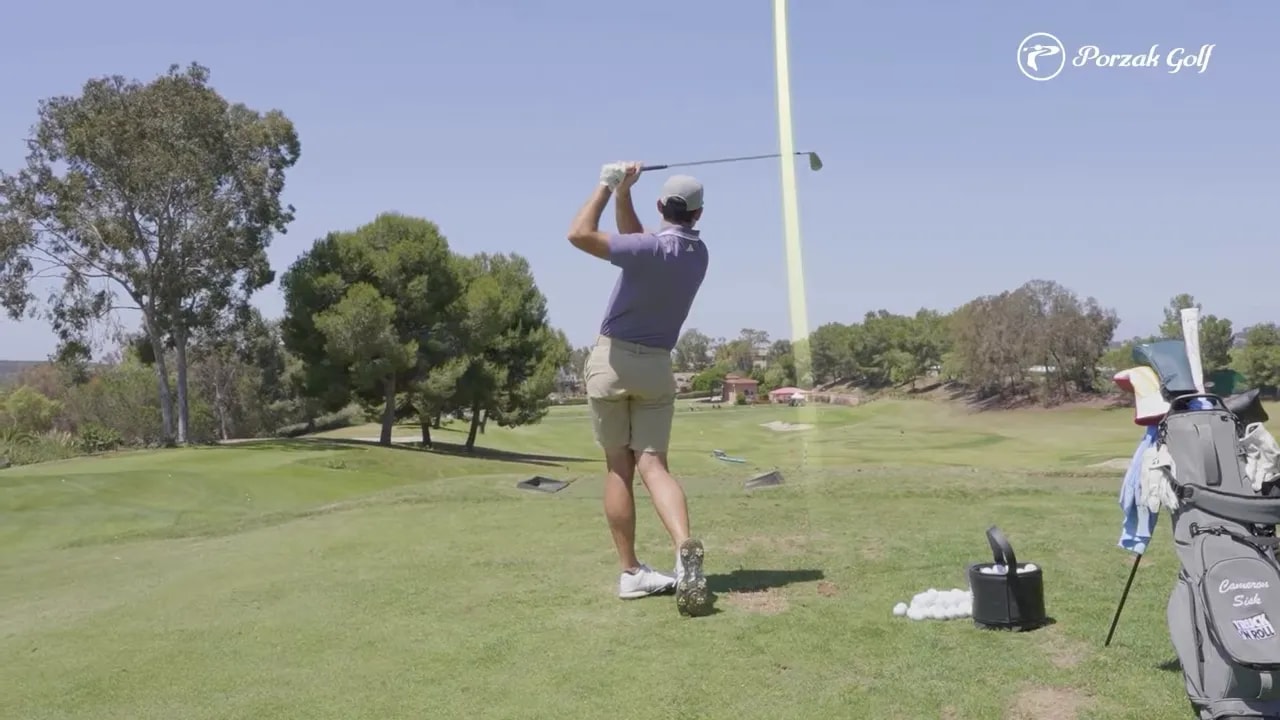
Trajectory control is a major separator between average golfers and skilled ball strikers. The good news is that you do not need a full rebuild to hit the ball higher or lower. Often, a few setup adjustments are enough.
To hit it higher
Move the ball slightly forward
Allow a little more side tilt or hip bump at address
Feel a shallower, more rounded bottom to the swing
This encourages the club to approach the ball in a way that launches it higher without forcing a scoop.
To hit it lower
Move the ball slightly back
Stand slightly closer if that helps your delivery
Feel the handle move through longer
Be careful here. Many golfers trying to hit a knockdown leave the face open and hit a weak shot to the right. If that happens, you may need a feel that helps the clubface square up while keeping the flight down.
A lower shot can fly shorter in calm conditions, but in the wind it may actually travel farther because it does not balloon.
Step 7: Practice for ball flight feedback, not just ball count
If pure strikes start with setup and connection, your practice has to train both. Mindless range sessions rarely do that. Better practice gives you a task, a consequence, and a ball flight window.
One useful approach is to practice in conditions that reveal your flight honestly, especially into the wind. When the ball has to hold its line, you quickly find out whether your strike and face control are real.
A simple competitive range game
Pick a center target and define a safe miss. For example, if left is the dangerous side, assign a bigger penalty for missing left and a smaller one for missing right. This trains start line, shape awareness, and course management at the same time.
Why this works:
It keeps your mind engaged
It turns random swings into meaningful reps
It encourages you to pattern your misses
It adds pressure without needing a tournament
When you are working on a mechanical feel, spend enough time with it that it becomes familiar. The goal is to make the motion normal on the range so you do not obsess over it on the course.
Use mirror work for lasting improvement
Mirror work is one of the most effective ways to train setup and connection. Slow rehearsals in front of a reflective surface help your body learn where good positions are. Over time, those positions start to feel normal, and that makes your motion more reliable under pressure.
Step 8: Check your contact pattern with turf interaction
Turf tells the truth. If you want to know whether pure strikes start with setup and connection in your swing, look at your divot pattern.
Healthy iron contact often produces a divot that is:
After the ball
Reasonably even from heel to toe
Not excessively deep or razor-thin
Warning signs include:
Very narrow, toe-heavy divots
Contact that feels like the club glances across the ball
No predictable low point
With fairway woods, even a small pinch of turf after impact can be a good sign. Many golfers try to “help” a 3 wood up and end up hitting it thin. A stable setup, connected motion, and slightly downward brush can make that club much easier to strike.
Step 9: Lower scores by focusing on the bookends of the hole
Ball striking matters, but scoring drops fastest when you handle the beginning and end of each hole better.
Two areas deserve extra attention:
Driving. Keep the ball in play and avoid penalty shots.
Putting. Eliminate three-putts and convert short putts.
If you can go through a round without a three-putt, your score almost always improves. A smart practice plan includes:
Lag putting from roughly 30 to 60 feet
Short putts inside 4 feet
Driver practice that prioritizes playability, not just speed
That does not replace approach play. It complements it. Better setup and connection improve your full swing, but lower scores come when you pair that with fewer penalty shots and fewer wasted putts.
Step 10: Put yourself under pressure in practice and competition
Technical skill is only part of golf. You also need to trust it when the shot matters. One of the best ways to build that trust is to compete often and practice with consequences.
You can do that by:
Playing against stronger golfers
Setting scoring goals during practice games
Giving yourself one-ball challenges on the range
Learning to hit shots while feeling nervous
Pressure exposes whether your setup and connection are reliable. It also teaches you not to play scared. Good players learn to stay aggressive within their pattern.
Common mistakes golfers make when trying to hit pure iron shots
Changing swing thoughts every session
Without a stable setup, no feel lasts very long.Trying to shape shots with only the hands
This usually creates poor contact and inconsistent start lines.Standing up through impact
Early extension ruins posture and low point control.Practicing without a target or consequence
Ball count is not the same as improvement.Confusing a fade with a weak wipe
A functional cut should still be compressed and efficient.Ignoring short putting and lag putting
Even great ball striking gets wasted if three-putts pile up.
Quick checklist: pure strikes start with setup and connection
Use the same setup checkpoints every session
Match ball position to the shot and trajectory
Keep your body and hands moving together
Train against early extension with a wall drill
Use small setup changes to hit draws, fades, high shots, and low shots
Practice with ball flight feedback and scoring games
Read your divots for honest strike information
Work on driving and putting to convert better ball striking into lower scores
Frequently Asked Questions
Why does setup matter so much for pure ball striking?
Setup influences balance, low point, path, and face delivery before the swing even starts. If your address position changes from shot to shot, your body must make compensations during the swing, which makes solid contact less predictable.
What does connection mean in the golf swing?
Connection means your body rotation, arms, and hands are working together through the strike. It does not mean squeezing your arms into your body. It means the motion is coordinated so the club can return consistently without rescue moves.
How can I tell if I am early extending?
Common signs include thin contact, toe-heavy divots, standing up through impact, and feeling like the club gets stuck behind you. A wall drill behind your hips is a simple way to test whether your pelvis is moving toward the ball too early.
Should a fade always go much shorter than a draw?
No. A well-struck fade with an iron may be a few yards shorter, but a big distance loss usually means the strike is too glancing. A proper fade should still feel compressed and controlled.
How do I hit the ball lower without blocking it right?
Start with a slightly back ball position and a lower-flight intention, but make sure your clubface still squares through impact. Many golfers hold the handle too much and leave the face open. You need a flighted swing, not a trapped face.
What is the best way to practice setup and connection?
Use mirror rehearsals, slow-motion swings, and target-based practice games. Combine technical reps with ball flight feedback. Practice into the wind when possible because it reveals whether your strike and start lines are truly stable.
Final takeaway
If you are searching for a simpler way to become a better ball striker, remember this principle: pure strikes start with setup and connection. A consistent address position gives your swing a reliable starting point. A connected motion lets your body and hands deliver the club without last-second compensation.
Start there before chasing more complicated fixes. Clean up your setup. Improve your connection. Control early extension. Practice with purpose. Then let your ball flight and turf interaction tell you whether the changes are working.
0 Comments