
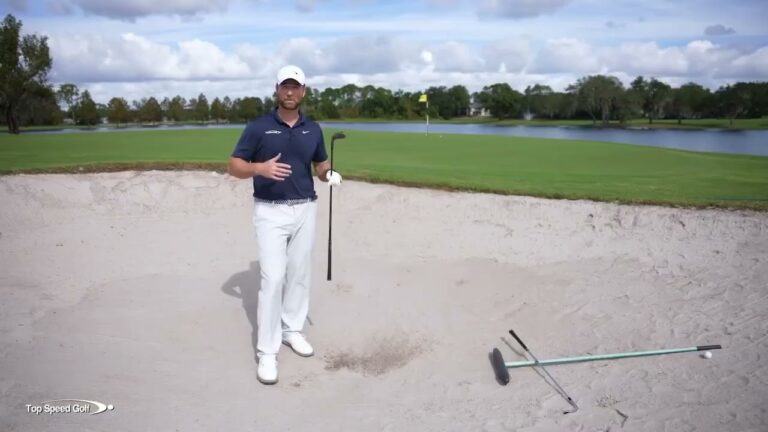

Bunker shots are one of the most frustrating parts of golf for many amateurs. A lot of players believe they need endless bunker practice, complicated setup changes, and perfect touch just to get the ball out of the sand. In reality, the biggest issue is often not effort. It is complexity.
If you want simpler golf bunker play, the core idea is straightforward: use a setup that feels more like a normal shot, keep the clubface square, play the ball in the middle of your stance, and commit to striking the sand with a confident swing. That approach can reduce the amount of special bunker practice you feel you need, especially when using a wedge designed to be more forgiving in the sand.
This guide explains how to make bunker play in golf easier, what kind of wedge design can help, how to set up correctly, and which mistakes most amateurs make in the sand.
Table of Contents
- Step 1: Understand why bunker shots feel so hard in golf
- Step 2: Use a golf bunker setup that removes unnecessary complexity
- Step 3: Choose a golf wedge design that gives you more forgiveness in sand
- Step 4: Set up for a normal-feeling golf bunker shot
- Step 5: Strike the sand on purpose in golf bunker play
- Step 6: Make a firm, committed golf swing through the bunker shot
- Step 7: Avoid the two biggest golf bunker mistakes
- Step 8: Know when this simpler golf bunker method helps most
- Step 9: Use this simple golf bunker routine before every shot
- Step 10: Understand what “skipping bunker practice” really means in golf
- Common misconceptions about golf bunker shots
- Golf bunker shot checklist for amateurs
- FAQ about golf bunker play
- Final takeaway for better golf bunker shots
Step 1: Understand why bunker shots feel so hard in golf
Traditional bunker technique in golf often asks you to make several changes at once:
Open the clubface
Adjust your stance
Reposition the ball
Change how the club interacts with the sand
Swing aggressively without fearing the sand
That is a lot to manage under pressure. For amateur golf players, one small error can lead to two common disasters:
Blading the shot, where the ball rockets over the green
Leaving the ball in the bunker, where the club never enters the sand properly
The challenge is not just technique. It is also confidence. When you stand in a bunker and start worrying about hitting too much sand or not enough sand, your swing usually slows down and gets defensive. That is when bad golf shots happen.
Step 2: Use a golf bunker setup that removes unnecessary complexity
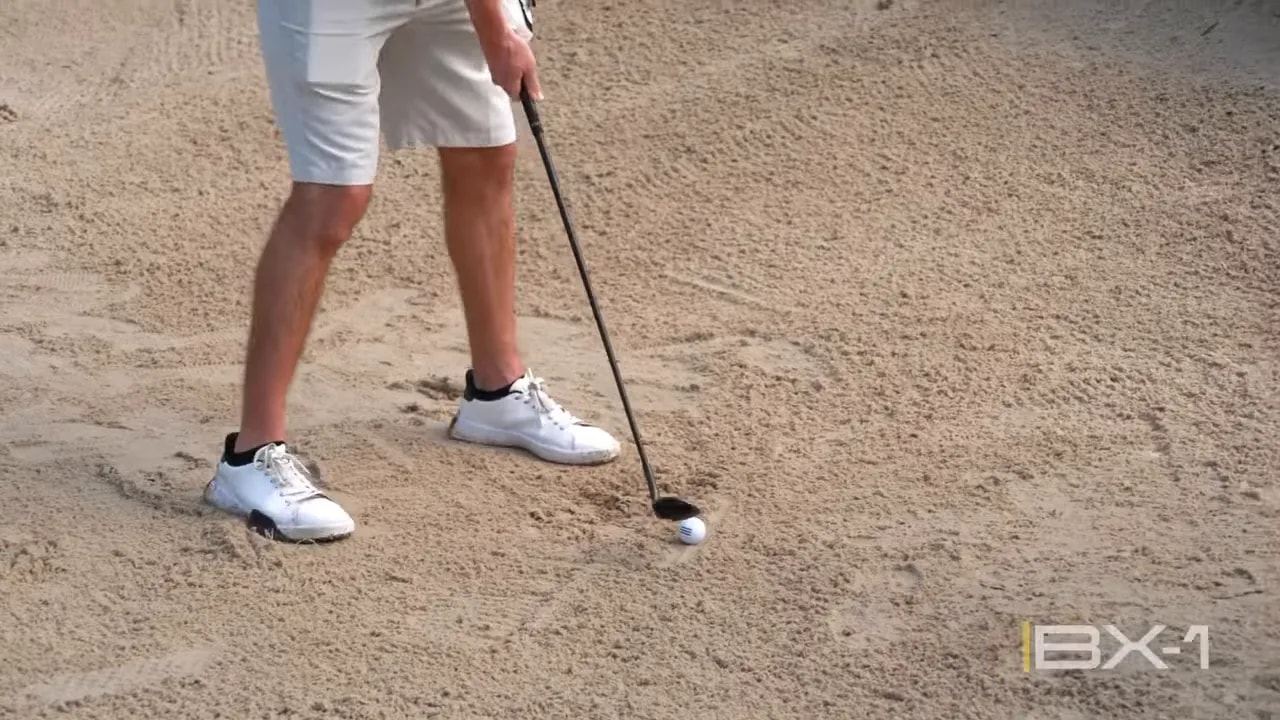
One reason some bunker-specific wedges appeal to amateur golf players is that they reduce setup complexity. Instead of trying to copy a high-skill tour-style bunker routine, you can simplify the shot into a few repeatable basics.
The most golfer-friendly setup looks like this:
Square stance
Feet aimed at the target
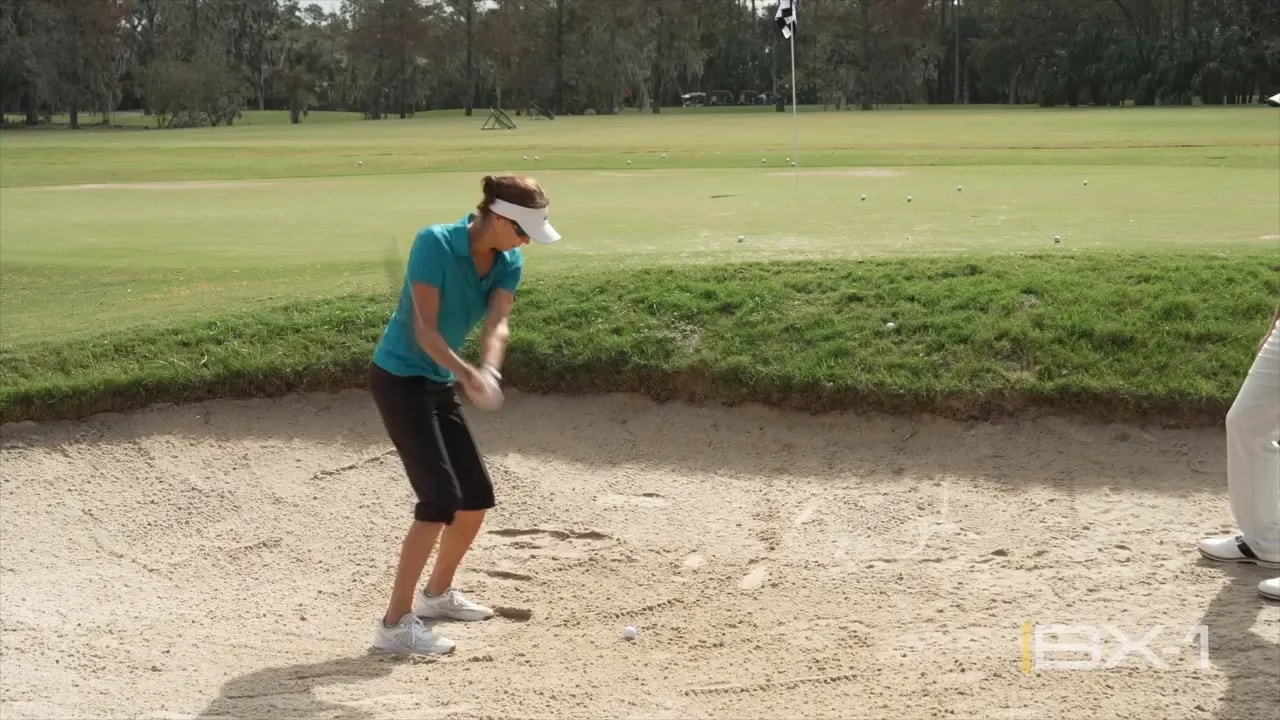
Ball positioned in the middle of the stance
Square clubface
This matters because many amateur golf players struggle most when they feel forced to manipulate the clubface. A wedge with a sole or front-edge design that helps the club move through sand more easily can allow you to keep the face square while still getting the effect many players usually try to create by opening the face.
That means fewer moving parts and fewer pre-shot decisions.
Step 3: Choose a golf wedge design that gives you more forgiveness in sand
Not every wedge makes bunker play equally easy in golf. Some designs are more demanding and require precise technique. Others are built to offer more margin for error.
A more forgiving bunker wedge design can help in several ways:
It can reduce the tendency for the leading edge to dig too much
It can help the club move through the sand with less resistance
It can make a square-face setup more workable
It can lower the odds of extreme misses like blades and shanks
For amateur golf, that extra forgiveness can be a major advantage. You still need a sound motion, but you may not need the same amount of specialized bunker practice that a traditional wedge often demands.
This does not mean any club can fix poor fundamentals. It means the right design can make good fundamentals easier to repeat.
Step 4: Set up for a normal-feeling golf bunker shot
If your bunker setup feels too foreign, it becomes harder to trust it. That is why a normal-feeling golf setup is so helpful.
Use this simple checklist before every greenside bunker shot:
Stand with your feet square rather than dramatically open
Aim your body at the target
Place the ball around the middle of your stance
Keep the clubface square instead of fanning it open
Focus on entering the sand, not trying to pick the ball clean
This approach can make bunker play in golf feel more like a standard shot with one important difference: your job is to thump the sand and keep moving through impact.
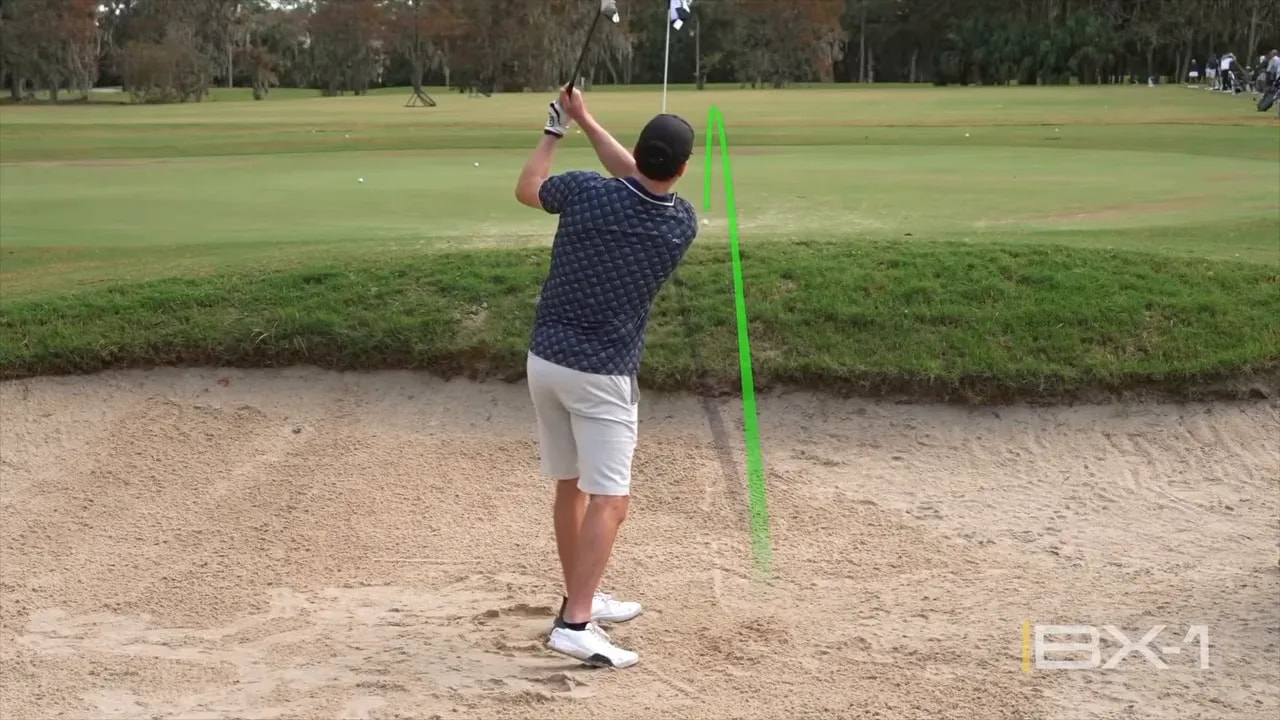
If you tend to freeze over the ball in bunkers, reducing setup variables can make a big difference.
Step 5: Strike the sand on purpose in golf bunker play
This is the key mental shift for better bunker shots in golf: you cannot be afraid to hit the sand.
Many amateurs fail in bunkers because they try to help the ball up. That instinct causes them to:
Lift the club too early
Slow the swing down
Try to contact the ball first
All three usually lead to poor results.
Instead, commit to the idea that the club should enter the sand with authority. If your wedge is designed to glide rather than dig, this becomes much easier to trust. The club can use the sand to lift the ball out rather than relying on a perfect strike.
For amateur golf, that is often the biggest confidence booster of all. You stop trying to avoid the sand and start using it.
Step 6: Make a firm, committed golf swing through the bunker shot
Even with the right setup and wedge, you still need commitment. A tentative swing is one of the fastest ways to ruin a bunker shot in golf.
The basic thought is simple:
Swing firm
Swing fast enough
Finish through the shot
That does not mean swinging wildly. It means making a confident motion with enough speed to move the club through the sand and carry the ball out.
If you decelerate, the club can dig, stall, or leave the ball behind. If you keep moving, the shot becomes much easier to predict.
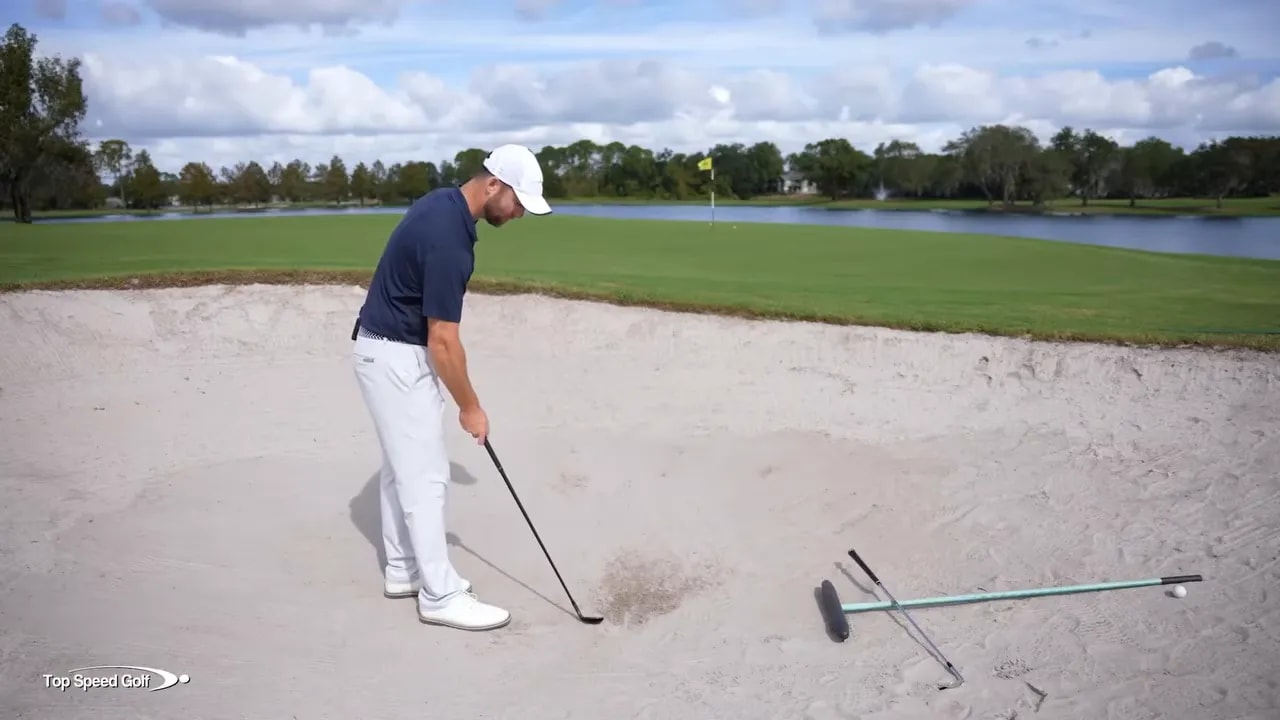
In practical golf terms, your bunker swing should feel committed from start to finish. Fear and hesitation are bigger problems than aggression for most amateur players.
Step 7: Avoid the two biggest golf bunker mistakes
If you want to skip hundreds of hours of frustrating bunker practice in golf, avoid these two errors first.
Being afraid to hit the sand
This causes thin shots, skulled shots, and weak contact. In bunker play, sand contact is part of the plan, not something to avoid.
Being afraid to swing firmly
When you baby the swing, the club often slows down before impact. That usually means poor entry into the sand and not enough energy to get the ball out cleanly.
If you correct only those two issues, your bunker play in golf can improve quickly.
Step 8: Know when this simpler golf bunker method helps most
A simplified bunker method is especially useful for these types of golf players:
Amateurs who rarely practice from bunkers
Golfers who struggle with opening the clubface correctly
Players who blade or chunk sand shots
Anyone who wants a more repeatable setup under pressure
It can also help if you feel overwhelmed by traditional bunker instruction. Some players improve faster when they remove technical clutter and focus on a small number of repeatable keys.
That said, simpler does not mean careless. You still need to aim properly, choose the right amount of swing, and commit to the motion.
Step 9: Use this simple golf bunker routine before every shot
If you want consistency, use the same process each time. A repeatable routine is one of the easiest ways to improve bunker play in golf.
Step in with a square stance.
Set your feet toward the target.
Position the ball in the middle of your stance.
Keep the clubface square.
Make a confident swing that strikes the sand.
Finish through the shot.
This routine gives you one clear plan instead of several swing thoughts. In golf, simpler often holds up better when nerves show up.
Step 10: Understand what “skipping bunker practice” really means in golf
The phrase sounds extreme, but the real point is this: amateur golf players may not need endless bunker practice if they use a more forgiving wedge and a simpler technique.
You do not need to master every advanced sand-shot variation just to become competent from a greenside bunker. For many golfers, the fastest path is:
Reduce setup changes
Use a forgiving club design
Keep the motion simple
Commit to hitting the sand
That approach can shorten the learning curve considerably.
It does not eliminate practice entirely. It just means your golf bunker game may improve without needing hundreds of reps built around complicated mechanics.
Common misconceptions about golf bunker shots
You must always open the face
Not necessarily. Some wedges are designed so you can keep the face square and still get helpful interaction with the sand.
You should try to avoid sand contact
No. In most greenside bunker shots in golf, the sand is part of the strike.
Soft swing equals soft shot
That idea hurts many amateurs. A softer result often still requires a committed swing through the sand.
Bunker play always needs a unique, complex technique
Not always. A more normal setup can make bunker shots easier for many amateur golf players.
Golf bunker shot checklist for amateurs
Stance: Square
Aim: Feet toward the target
Ball position: Middle of stance
Clubface: Square
Contact: Thump the sand
Tempo: Firm and confident
Finish: Through the shot
FAQ about golf bunker play
Can amateur golfers really skip bunker practice?
Most amateur golf players should still practice some bunker shots, but they may not need long, technical practice sessions if they use a simpler setup and a more forgiving wedge design. The goal is to reduce the amount of specialized practice required, not eliminate learning altogether.
What is the easiest golf bunker setup for amateurs?
A simple setup for golf bunker shots is a square stance, feet aimed at the target, ball in the middle of the stance, and a square clubface. Then make a committed swing that strikes the sand and continues through.
Do you have to open the clubface on every golf bunker shot?
No. Some bunker wedges are designed so you can keep the face square and still get effective sand interaction. That can make bunker play easier for amateur golf players who struggle with face manipulation.
Why do amateur golf players leave bunker shots in the sand?
The most common reasons are fear of hitting the sand and fear of swinging firmly. Both problems cause deceleration and poor contact. In golf bunkers, confidence is essential.
What kind of golf wedge helps most from bunkers?
A wedge that offers more forgiveness in the sand and helps prevent digging can make bunker shots easier. Designs that let you use a square-face setup can be especially helpful for amateurs.
Should the ball be forward or middle in the stance for this golf bunker method?
For this simplified golf bunker method, the ball is played in the middle of the stance. That supports a more normal setup and reduces the need for complicated adjustments.
Final takeaway for better golf bunker shots
If bunker shots feel like the hardest part of your golf game, the answer may not be more complexity. It may be less.
A simpler method built around a square stance, middle ball position, square face, intentional sand contact, and a confident finish can make bunker play much more manageable. Pair that with a forgiving wedge design, and many amateur golf players can improve faster without devoting endless time to bunker-specific practice.
The biggest shift is mental: stop trying to avoid the sand, and stop guiding the shot. Set up simply, thump the sand, and swing through with confidence.
0 Comments