
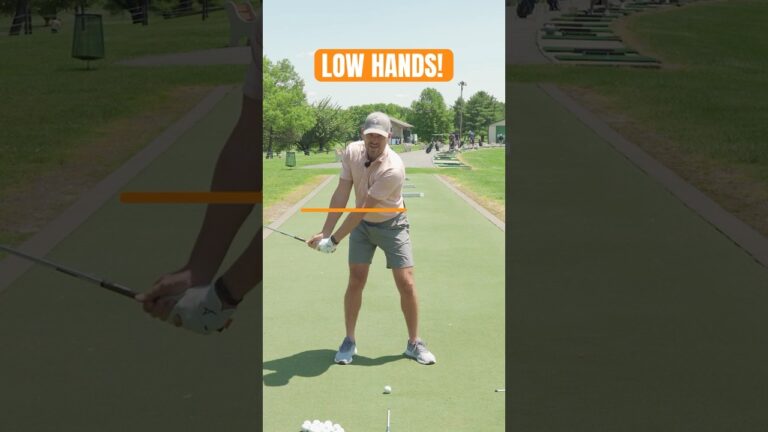

Focus keyphrase: low hands golf swing
If you want cleaner iron shots, more predictable contact, and a swing that holds up under pressure, the low hands golf swing idea is worth your attention. It is simple, easy to remember, and surprisingly powerful.
The core cue is this: hands low, club up.
That thought applies in the takeaway and again in the downswing. When you keep your hands lower while the club works upward, you create motion that supports solid ball striking instead of fighting it. You also make it easier to stay in posture and keep the lead arm straighter, which are two traits you see again and again in elite iron players.
Table of Contents
- Step 1: Understand why the low hands golf swing matters
- Step 2: Use the right swing cue for the low hands golf swing
- Step 3: Keep your hands low in the takeaway
- Step 4: Use low hands to stay in posture
- Step 5: Let the low hands golf swing keep your lead arm straighter
- Step 6: Match the move to tour level examples
- Step 7: Apply the same low hands golf swing feel in the downswing
- Step 8: Practice the low hands golf swing on the range
- Step 9: Avoid the most common mistakes
- Step 10: Build this into your pre-shot routine
- FAQ
- Final takeaway
Step 1: Understand why the low hands golf swing matters
A lot of golfers search for perfect positions, but better contact often comes from one simple feel that improves several pieces at once. The low hands golf swing does exactly that.
Rather than lifting the hands early, you want them to stay relatively low as the club works up. That combination gives you a more efficient structure. It helps your body maintain its angles and gives your arms a better shape.
Two big benefits stand out:
- You stay in posture more easily.
- Your lead arm tends to remain straighter.
Those two pieces are huge for iron play. If you lose posture or add too much bend in the lead arm, contact quality usually suffers. You may hit shots thin, heavy, or off the toe. When your hands work lower and the club works up, your motion becomes more organized.
Step 2: Use the right swing cue for the low hands golf swing
Some swing thoughts are too technical to use on the range, let alone on the course. This one is different because it is short and practical.
Takeaway cue: hands low, club up.
Downswing cue: hands low, club up.
That phrase gives you a clean picture of what should happen. Your hands do not need to rise quickly away from your body. Instead, they stay lower while the clubshaft gains angle.
This is not about forcing your hands down in a rigid way. It is about avoiding the common mistake of picking the club up with the hands and arms. When golfers do that, the club gets disconnected, posture changes, and the swing often gets steep or inconsistent.
The cue works best when you use it as a feel, not a frozen position. Golf is motion. You want a flowing move that produces structure naturally.
Step 3: Keep your hands low in the takeaway
The takeaway sets the tone for the rest of the swing. If your hands rise too early, you often spend the rest of the motion trying to recover.
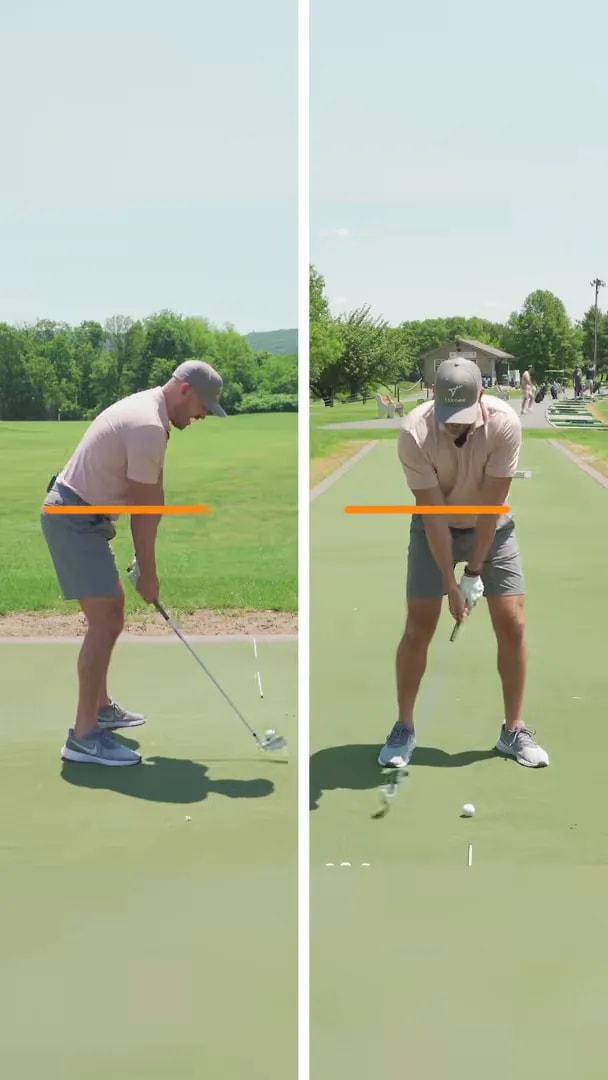
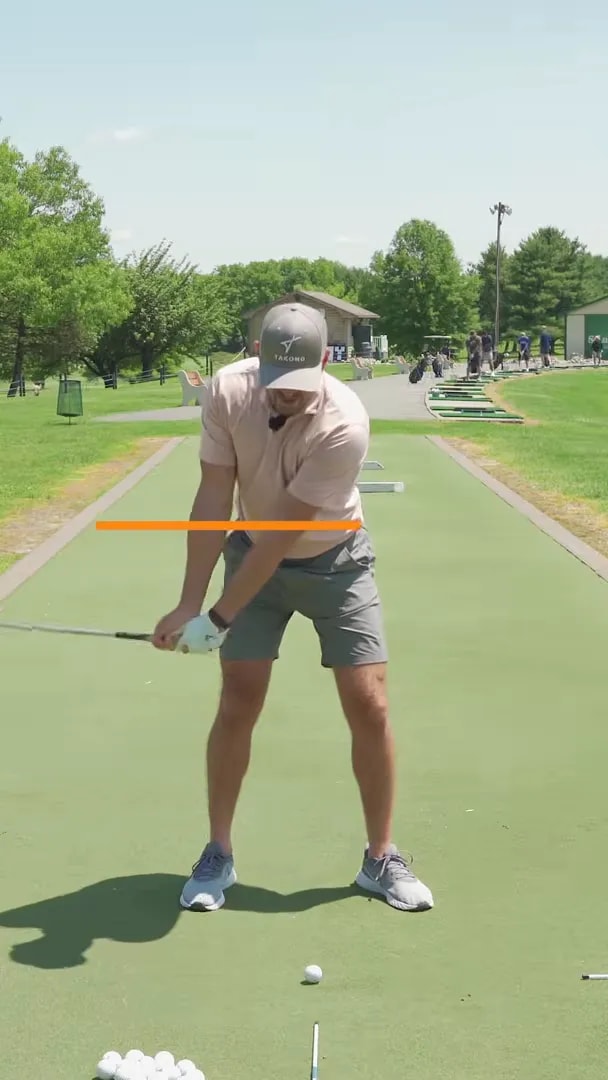
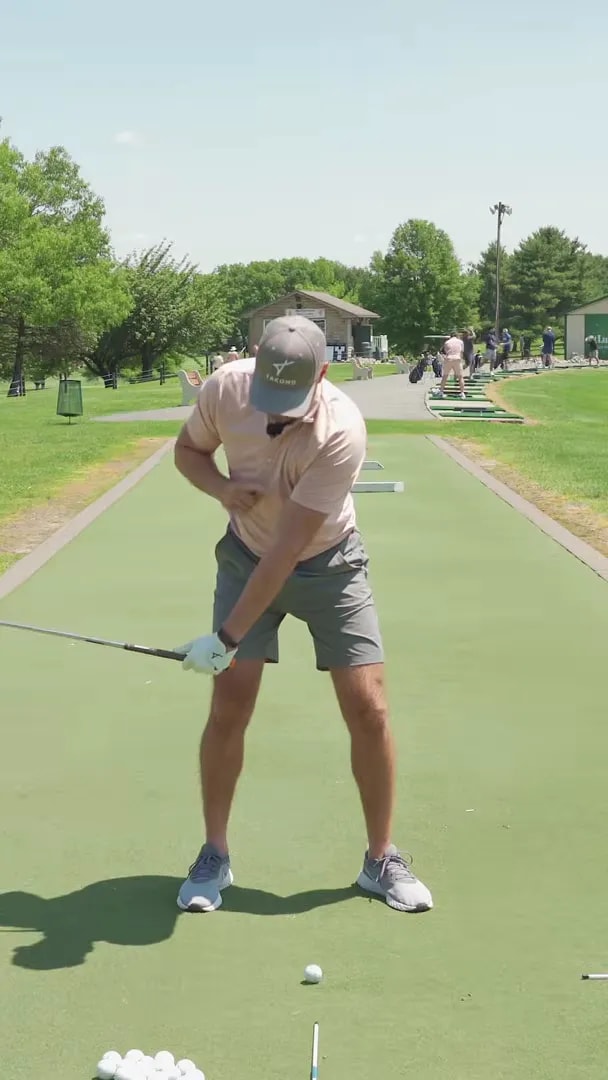
In a good low hands golf swing takeaway, the hands stay more under the belt line while the club works upward. That helps the club travel on a better path without pulling your upper body out of position.
What does that feel like?
- Your chest stays inclined over the ball.
- Your arms move with the body instead of independently lifting.
- Your lead arm keeps more width.
- The club begins to hinge upward without the hands jumping up with it.
If you tend to snatch the club back, this change can feel unusual at first. Many golfers think their hands are low when they are actually lifting them. A mirror, video, or checkpoint drill can help you match feel to reality.
A useful checkpoint is when the club first moves away from the ball. If the hands stay quieter and lower while the club starts to gain angle, you are moving in the right direction.
Step 4: Use low hands to stay in posture
One of the biggest wins from the low hands golf swing is posture control.
Good ball strikers do not constantly move farther from the ground and then closer to it. From down the line, they tend to maintain their distance from the ground far better than the average golfer. That stability helps the club return to the ball with more consistency.
When your hands lift too much, your body often reacts by standing up. Your shoulder line changes, your chest rises, and you lose the original posture you built at address. Once that happens, low point control gets harder.
Low hands help organize the body differently. They encourage you to keep your inclination and avoid early extension or standing up through the shot.
That matters because posture is not just about looks. It affects strike, turf interaction, and face control. If you can maintain your posture better, your iron game usually gets more reliable.
Signs you may be losing posture include:
- Thin iron shots that feel like the club barely touched the turf
- Heel or toe strikes that vary from swing to swing
- A feeling that your chest rises through impact
- Difficulty compressing the ball consistently
The low-hands feel gives you a simple way to fight those patterns without overloading your brain.
Step 5: Let the low hands golf swing keep your lead arm straighter
The second major benefit is arm structure.
As the hands stay lower, the lead arm naturally tends to stay straighter. You are creating width without having to force a stiff, locked-out arm. That extra width helps produce a more repeatable arc and more centered contact.
This applies in both directions:
- During the takeaway, lower hands help the lead arm maintain extension.
- During the downswing, lower hands again support a more organized, extended arm structure.
Many golfers try to fix a bent lead arm directly. Sometimes that works, but often it creates tension. A better route is to improve the motion that influences the arm. The low hands golf swing does that by giving the arm more room to stay long.
That is especially helpful with irons, where width and posture work together to produce crisp contact.
Step 6: Match the move to tour level examples
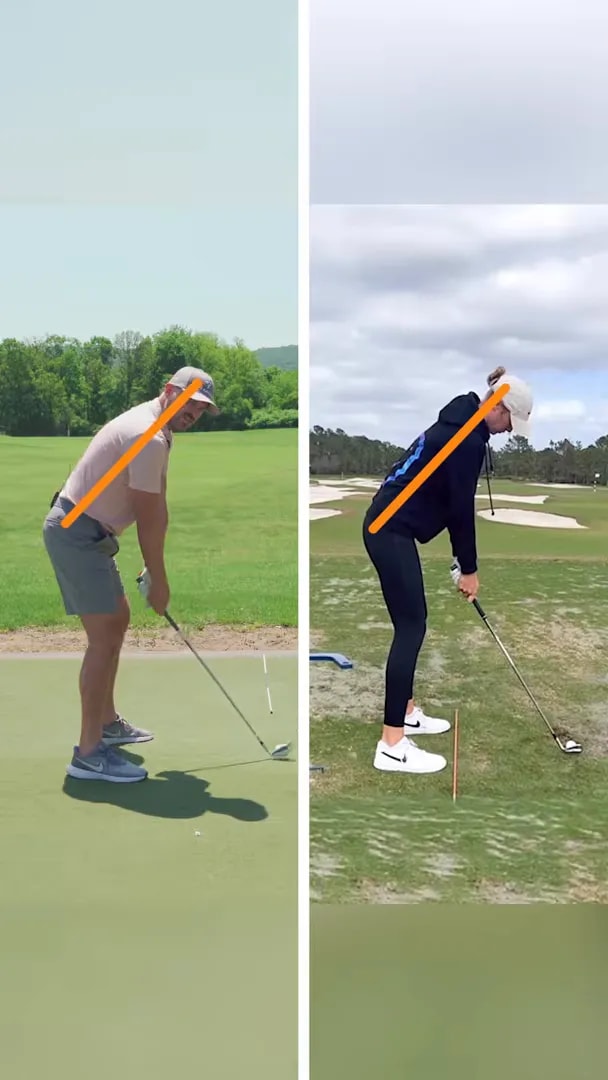
This concept is easier to trust when you see it in great swings. Two strong examples used here are Nelly Korda and Adam Scott, both known for clean, efficient mechanics.
In each case, the pattern is similar:
- The hands stay relatively low.
- The club works upward.
- The body remains in posture.
- The arm structure stays wide and organized.
You do not need to copy every detail of a tour swing, but you can borrow the patterns that make ball striking easier. This is one of them.
With Nelly Korda, the motion shows how the club can rise while the hand path stays controlled. With Adam Scott, you can see the same blend of structure and posture from a classic iron swing. Different players, same useful principle.
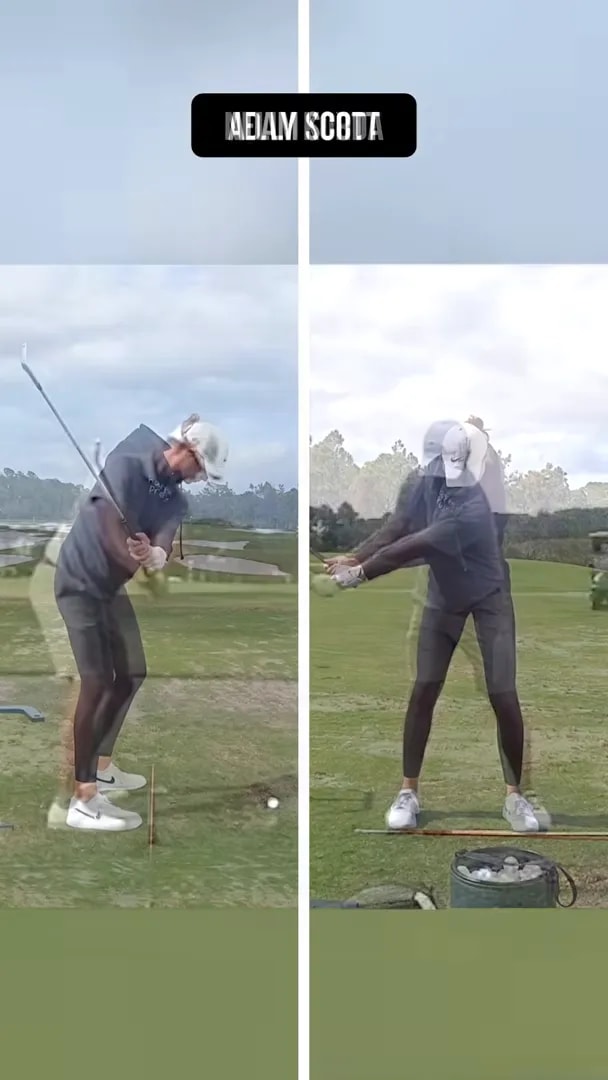
Those models are helpful because they show that low hands do not mean trapped hands or a flat, stuck swing. The club still works up. The key is that the hands do not over-lift and pull the body out of position.
Step 7: Apply the same low hands golf swing feel in the downswing
Most golfers think about the takeaway when they hear this concept, but the downswing matters just as much.
The same cue returns: hands low, club up.
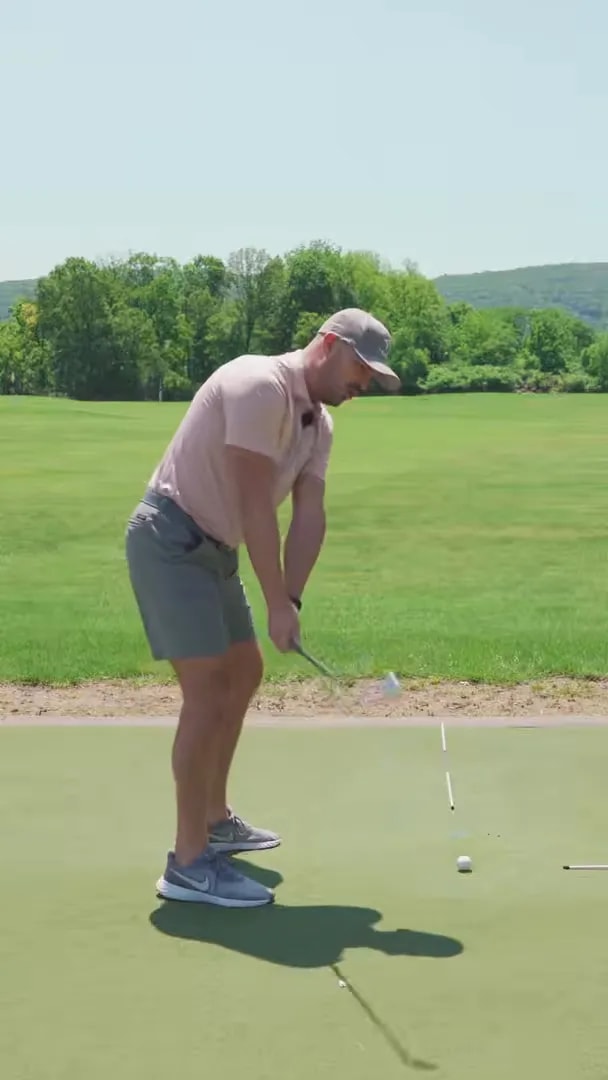
On the way down, lower hands help you preserve posture and maintain arm structure instead of throwing everything outward or standing up. If your hands race away from you or lift too much, the club can get out of sync quickly.
In a better motion, the hands stay more contained while the club remains organized. That gives you a better chance to return the club to the ball with shaft lean, solid strike, and proper body angles.
This does not mean dragging the handle. It means keeping the hand path disciplined so your body and club can work together.
A few good downswing feels include:
- Keep your chest inclined through the strike.
- Feel your hands stay low rather than popping upward.
- Allow the club to stay up instead of dumping too early.
- Maintain width through the lead arm as long as you can.
Step 8: Practice the low hands golf swing on the range
A good concept becomes powerful when you turn it into a repeatable drill. The best way to train the low hands golf swing is to start slowly and exaggerate the feel.
Simple rehearsal drill
- Set up to an iron shot in your normal posture.
- Make a slow takeaway where your hands stay low and the club works up.
- Stop at a checkpoint and confirm your chest angle stayed steady.
- Return to address.
- Repeat the same feel into a mini downswing.
Do several rehearsals before hitting a ball. You want to train the motion first, then add speed.
Half-swing drill
- Hit short iron shots with a half backswing and half finish.
- Use only one thought: hands low, club up.
- Focus on solid contact more than distance.
- Gradually build to fuller swings once contact improves.
This is a great way to transfer the move into real ball striking. Short swings expose lifting and posture loss quickly, so they are ideal for this change.
Step 9: Avoid the most common mistakes
Like any swing feel, this one can be overdone or misunderstood. Keep an eye on these traps.
Mistake 1: Forcing the hands low without the club working up
The cue has two parts for a reason. If you only lower the hands and never let the club rise, you can get too flat. The goal is hands low, club up, not hands low and club low.
Mistake 2: Getting too rigid in the arms
A straighter lead arm is good. Tension is not. You want width and structure, not stiffness.
Mistake 3: Standing up anyway
Some golfers rehearse low hands but still lose posture through impact. If that sounds familiar, pair the hand cue with a simple body thought such as keeping your chest inclination steady.
Mistake 4: Trying it only at full speed
Fast swings hide bad patterns. Slow rehearsals and half shots are the quickest way to make this feel stick.
Step 10: Build this into your pre-shot routine
If you want the low hands golf swing to show up on the course, it needs a place in your routine.
Try this simple sequence before an iron shot:
- Pick your target.
- Make one slow rehearsal with the feel of hands low, club up.
- Step in and set your posture.
- Trust the single cue and swing.
That keeps your mind clear. Too many swing thoughts create hesitation. One athletic cue usually works better than five technical corrections.
If you are working on contact, keep this idea mostly for irons at first. Once the motion becomes natural, you can see how it influences longer clubs.
FAQ
What does low hands golf swing actually mean?
It means your hands stay relatively low while the club works upward during the takeaway and downswing. The feel is not about shoving the hands down. It is about avoiding an early hand lift that disrupts posture and arm structure.
Why does the low hands golf swing help with iron contact?
It helps you stay in posture and keep the lead arm straighter. Those two pieces improve your swing arc and low point control, which can lead to more solid strikes.
Should I use the same cue in the downswing?
Yes. The same thought, hands low and club up, can help organize the downswing as well. It supports posture and prevents the hands from jumping up too early.
Can low hands make the swing too flat?
It can if you forget the second half of the cue. The club still needs to work up. If the hands stay low but the club never gains angle, the swing can get too flat.
How do I know if I am doing it correctly?
Check whether you are maintaining posture better and whether your lead arm stays wider with less effort. Better contact with short and mid irons is another strong sign.
What is the best way to practice the low hands golf swing?
Start with slow rehearsals, then hit half shots with one focus only: hands low, club up. Once the motion feels natural and contact improves, build up to full swings.
Final takeaway
If your iron play feels inconsistent, you do not always need a long list of mechanical fixes. Sometimes one clear image can clean up several problems at once.
The low hands golf swing is a great example. Keeping your hands low while the club works up can help you stay in posture, keep your lead arm straighter, and strike the ball more solidly.
For many golfers, that one cue can be the difference between a swing that looks busy and a swing that delivers the club with control.
When you practice, keep it simple: hands low, club up.
0 Comments