
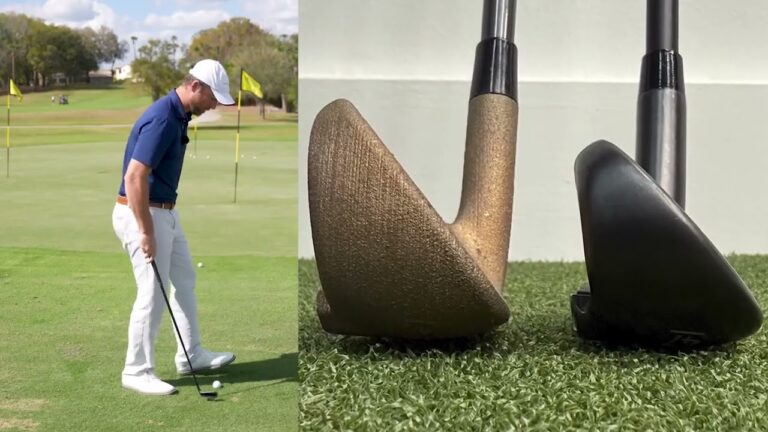

If you struggle with chunked chip shots, bladed bump-and-runs, or poor turf contact around the green, this golf guide explains what makes a modern chipper easier to use than many older designs. The main goal of a chipper is simple: help you play short golf shots with a stroke that feels more like a putt, while reducing the chances of digging into the turf.
That sounds straightforward, but not every golf chipper is built the same. Small design choices such as head weight, face height, sole shape, shaft weight, and club length can make a big difference in how the club moves through grass and how easy it is to strike the golf ball cleanly.
If you are trying to understand what actually makes a chipper more forgiving in golf, the answer usually comes down to one thing: how the club interacts with the ground. The best designs are built to glide, not grab.
Table of Contents
- Step 1: Understand what a golf chipper is supposed to do
- Step 2: Know why many old golf chippers were inconsistent
- Step 3: Prioritize turf interaction over unusual golf club shapes
- Step 4: Choose a golf chipper with a heavier head
- Step 5: Look for a rounded leading edge in golf
- Step 6: Pay attention to where the bounce sits on a golf chipper
- Step 7: Use a face height that fits real golf lies
- Step 8: Consider a shorter golf club length for better setup
- Step 9: Pair a heavy golf head with a lighter shaft
- Step 10: Look for sole rails or width that help the golf club glide
- Step 11: Use a putting-style golf stroke with your chipper
- Step 12: Avoid the most common golf chipper mistakes
- Step 13: Decide if a golf chipper is right for your short game
- Step 14: Use this golf chipper buying checklist
- FAQ
- Final takeaway
Step 1: Understand what a golf chipper is supposed to do
A golf chipper is a short-game club designed to simplify low running shots around the green. It is generally meant for golfers who want a more repeatable motion than a traditional wedge swing.
Instead of requiring a lot of wrist hinge or precise face control, a chipper is usually built to encourage a compact, putting-style stroke. That can make golf easier for players who:
- Hit chip shots fat
- Thin the ball across the green
- Struggle with consistent low-point control
- Prefer a simple setup with less hand action
- Want a dependable bump-and-run option in golf
The key benefit is consistency. In golf, short shots are often lost not because of poor strategy, but because of poor contact. A chipper is meant to reduce that problem.
Step 2: Know why many old golf chippers were inconsistent
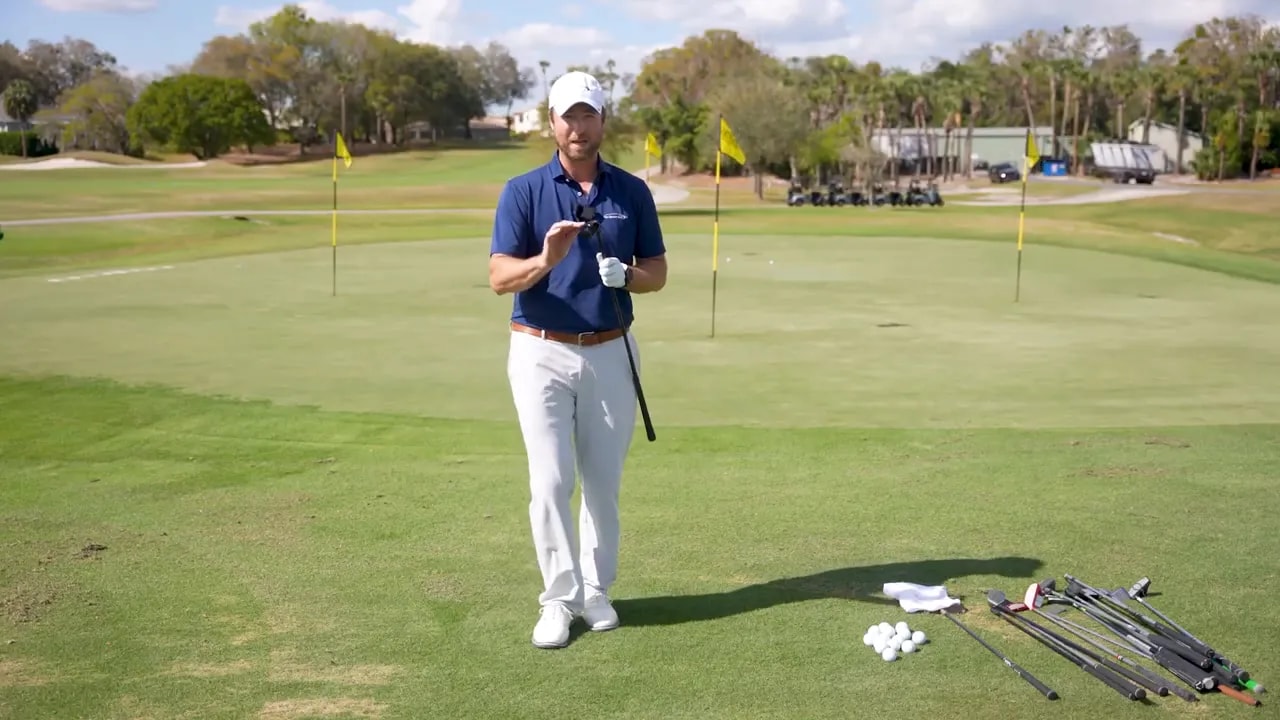
Many older golf chippers looked forgiving, but their design often created problems at impact. Some had soles or edges that seemed helpful in theory yet still grabbed the turf when the strike was slightly heavy.
Two common design mistakes stand out.
Sharp leading edges
When the front edge of a golf club is too sharp, it can cut into grass and turf too easily. That may seem useful if you think the club should pick the ball cleanly, but in real golf conditions, grass gets between the club and the ball. If the edge catches at all, contact can become unpredictable.
Relief that exposes too much edge
Some golf club designs remove material from the heel and toe to reduce resistance. But if that shaping allows more of the front edge to enter the ground, the club can still dig. What looks clever in the shop may perform poorly when the strike is slightly behind the ball.
This is an important golf lesson for club design: reducing sole contact is not always the same as improving turf interaction.
Step 3: Prioritize turf interaction over unusual golf club shapes
If your goal is better golf chipping, the club should move through the turf smoothly even when your contact is not perfect. That matters more than gimmicky shaping.
A useful chipper should help on the shots golfers miss most often. That means it should stay playable when you:
- Hit slightly behind the ball
- Use too much shaft lean
- Play from light rough
- Make a shorter or longer stroke than intended
In golf, forgiveness around the green is not just about loft. It is about how the sole, bounce, and leading edge work together at impact.
Step 4: Choose a golf chipper with a heavier head
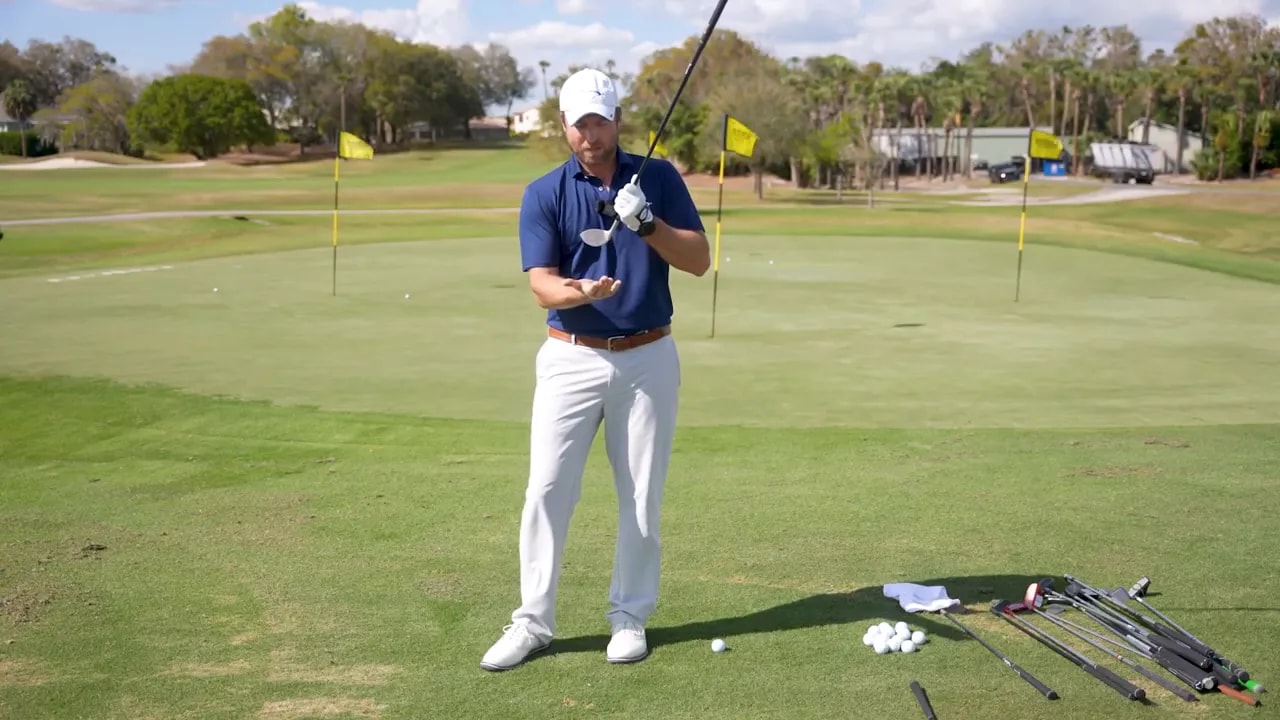
One of the most practical design features in a forgiving golf chipper is a heavier head. Extra head weight can make the stroke feel more stable and reduce the urge to jab at the ball.
A heavier golf club head can help in several ways:
- Smaller stroke required: More head weight helps produce enough energy with a shorter motion.
- Better awareness of the clubhead: You can feel where the head is during the stroke.
- Improved consistency: Many players control contact better when the head feels substantial.
- More putting-like motion: The club can swing with less manipulation.
For golf chipping, this matters because many poor shots happen when the hands take over. A heavier head encourages the body and shoulders to move the club instead.
Step 5: Look for a rounded leading edge in golf
A rounded leading edge is one of the most useful features if you want a chipper that resists digging. The leading edge is the front bottom portion of the face where the club first meets the turf.
In golf, a sharp edge can act like a knife. A rounded edge acts more like a glide surface. That difference becomes obvious on slightly heavy shots.
Benefits of a rounded leading edge include:
- Less grabbing in the turf
- More forgiving contact on fat shots
- Smoother movement through short grass
- More predictable strike from imperfect lies
If your current golf chipper tends to stick in the ground, the leading edge shape may be a major reason.
Step 6: Pay attention to where the bounce sits on a golf chipper
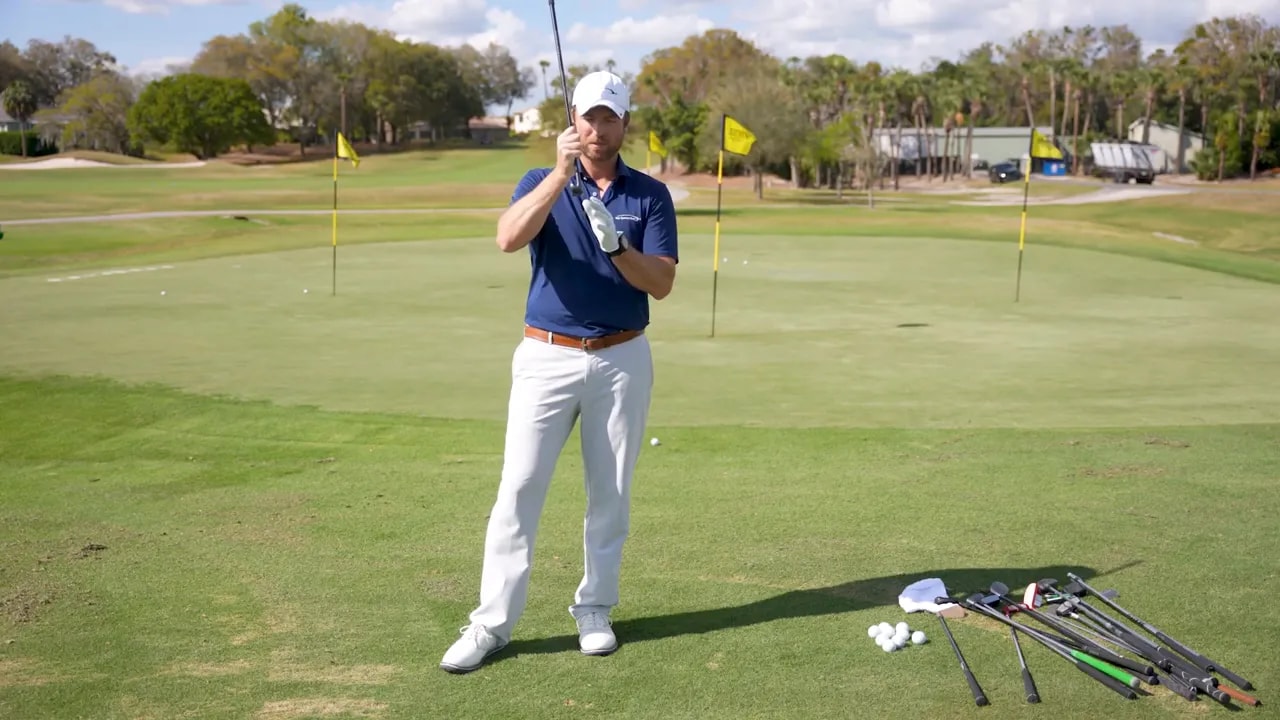
Bounce is critical in golf, especially for short-game clubs. Bounce helps the sole resist digging by letting the club skim or thump the ground rather than cut into it.
But not all bounce works the same way.
A more forgiving golf chipper can benefit from having the bounce positioned closer to the front of the sole, rather than spread in a way that causes the leading edge to react poorly when the shaft angle changes.
This matters because many golfers chip with inconsistent shaft lean. If the design keeps the leading edge from crashing into the turf even when the hands move slightly forward, the club becomes much easier to use.
That kind of sole design helps on common golf mistakes such as:
- Leaning the shaft too far forward
- Getting slightly steep into the ball
- Striking the turf before the ball
- Trying to help the ball into the air
For many golfers, bounce placement is more important than total bounce number alone.
Step 7: Use a face height that fits real golf lies
Face height affects how a chipper performs from different conditions. If the face is too thin, the club may work well from tight fairway turf but struggle in rough. If the face is too tall, weight can sit too high and make it harder to get the golf ball popping up cleanly.
A balanced golf chipper face should do two things:
- Keep enough mass low to help lift the ball slightly
- Avoid getting too thin, which can slide under the ball in longer grass
This is especially relevant if you use a chipper for more than just fringe shots. In golf, many short-game shots come from light rough, collars, and imperfect lies. A chipper should be designed for those conditions, not only perfect turf.
Step 8: Consider a shorter golf club length for better setup
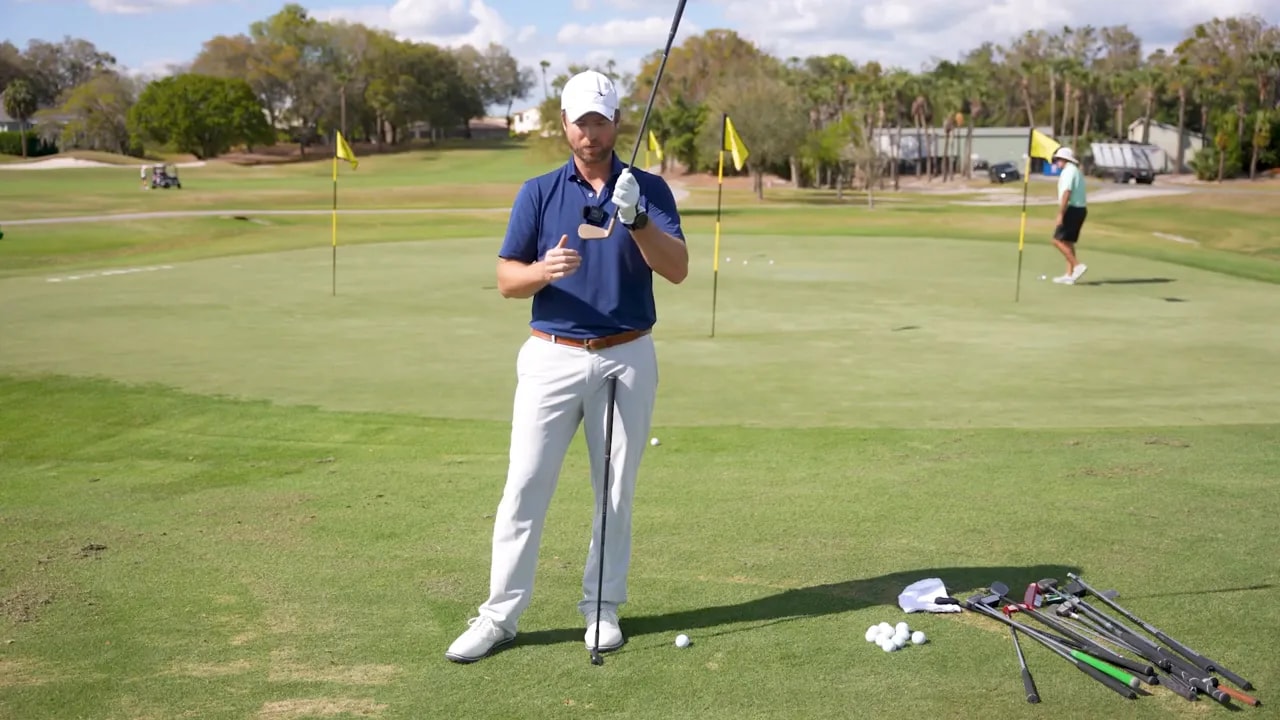
A shorter chipper can make a big difference in golf because it naturally encourages a more controlled setup. When the club is shorter, your arms can hang more naturally and you are less likely to stand too far from the ball with excessive reach.
That helps you create a posture similar to a putting setup. In golf, that often leads to better contact because the stroke becomes simpler.
A shorter golf chipper can help by:
- Reducing the need to choke down on the grip
- Helping your arms hang more freely
- Supporting a rocking shoulder motion
- Making low-point control easier
Many golfers already instinctively choke up on chip shots to gain control. A shorter chipper simply builds that preference into the club itself.
Step 9: Pair a heavy golf head with a lighter shaft
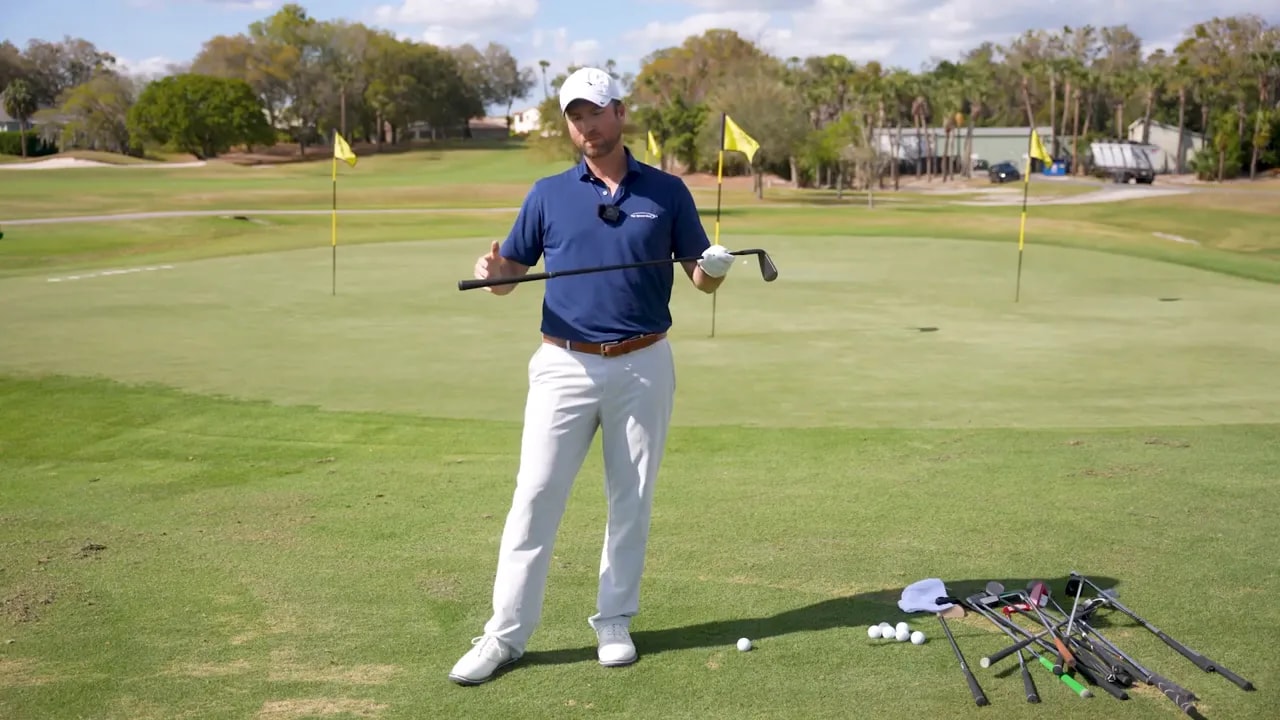
Weight distribution matters just as much as total weight. A chipper can feel more playable when more of the overall weight is concentrated in the head instead of the shaft.
That is why a lighter graphite shaft can be useful in golf chippers. By removing weight from the shaft, the head becomes easier to feel during the stroke.
This combination can improve:
- Head awareness: You can sense the clubhead better during motion.
- Touch: The stroke may feel smoother and less harsh.
- Vibration reduction: Impact can feel softer.
- Tempo: The club is easier to swing without forcing it.
In golf, poor short-game contact often starts with poor clubhead awareness. If the club feels lost in your hands, consistency becomes harder.
Step 10: Look for sole rails or width that help the golf club glide
A wider sole can help a golf chipper resist digging, but there is a practical limit. If the sole extends too far back, the shape may become awkward and can raise legal design concerns for conforming play.
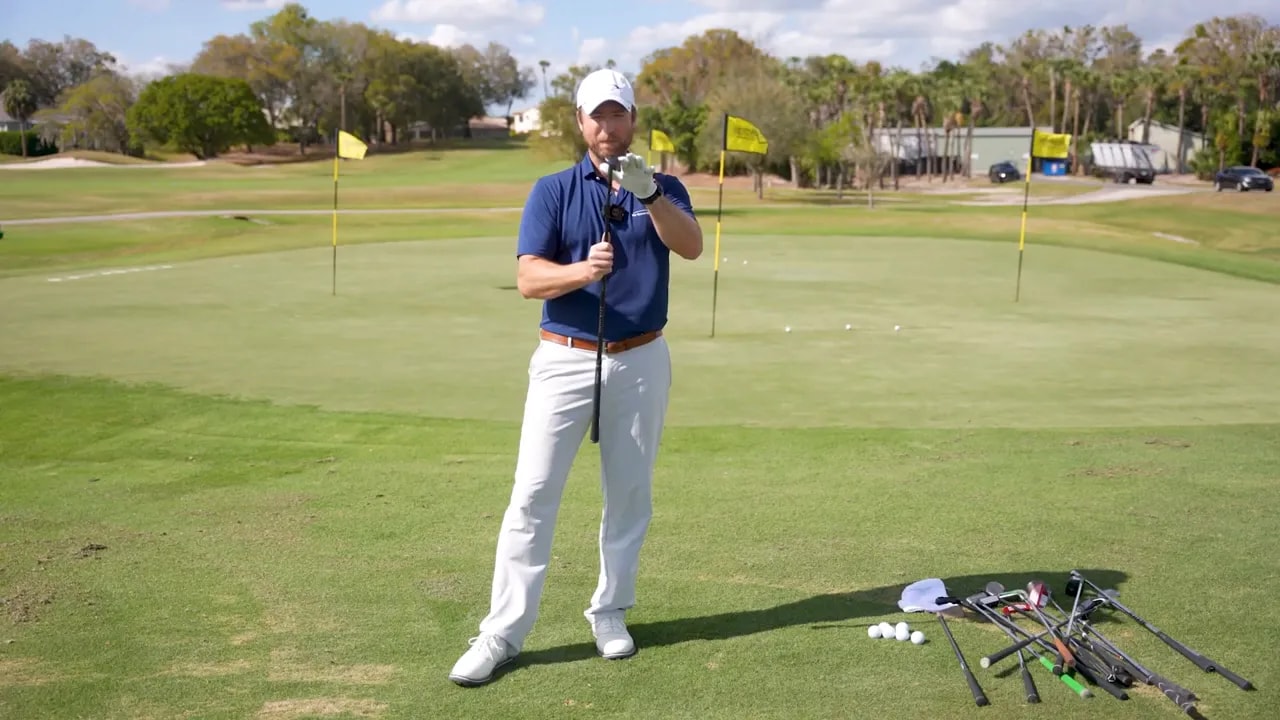
One useful solution is adding rails to the sole. Rails can provide extra width where it helps most without making the entire back of the club overly large.
In golf, sole rails may offer two practical benefits:
- They can help the club move through the turf with less digging.
- They can make the stroke feel more guided through impact.
This is particularly useful if you want a straight-back, straight-through style of golf chipping stroke.
Step 11: Use a putting-style golf stroke with your chipper
Even a well-designed chipper works best when you use the right motion. The easiest method is a putting-style stroke.
For many golf players, that means minimizing hand action and focusing on a simple rocking motion.
Basic setup checklist for golf chipping with a chipper
- Stand closer as you would for a putt
- Let your arms hang naturally
- Keep your chest height stable
- Use a compact back-and-through motion
- Allow the club to brush or thump the turf
The last point is important. Many golfers become afraid of touching the ground because they expect the club to dig. A forgiving chipper is designed to tolerate turf contact better than a sharp-edged golf wedge used with poor technique.
If the sole is built to glide, slight turf contact is not always a mistake.
Step 12: Avoid the most common golf chipper mistakes
A chipper can simplify golf around the greens, but it does not fix every error. These are the most common mistakes to avoid.
Using too much hand action
If you flick the wrists, the stroke becomes harder to control. Keep the motion simple and connected.
Trying to help the golf ball into the air
A chipper is built to launch the ball enough for a bump-and-run style shot. Scooping usually creates thin contact.
Standing too far from the ball
If your arms are stretched or bent awkwardly, you may struggle with low-point control.
Choosing the wrong lie
Not every golf lie is ideal for a chipper. Heavy rough or shots that require significant height may call for a different club.
Expecting every design to feel the same
Golf chippers vary widely. Weight, length, face height, and sole design all influence performance.
Step 13: Decide if a golf chipper is right for your short game
A chipper may be a strong fit if your main issue in golf is clean contact on simple shots near the green. It is especially useful if you prefer low runners and want a stroke that resembles putting.
You may benefit from a chipper if you:
- Frequently chunk short golf shots
- Struggle with wedge technique
- Play bump-and-run shots often
- Want a dedicated club for simple greenside golf situations
You may need another option if you:
- Often play from thick rough
- Need to hit high, soft golf shots regularly
- Prefer opening and closing the face for versatility
For the right golfer, a chipper is not a gimmick. It is a specialized golf tool built for a very specific job.
Step 14: Use this golf chipper buying checklist
If you are comparing golf chippers, use this quick checklist before you buy:
- Head weight: Does the head feel heavy enough to support a short stroke?
- Leading edge: Is it rounded rather than overly sharp?
- Sole design: Does it appear built to glide through turf?
- Bounce placement: Does the front of the sole help resist digging?
- Face height: Is it low enough to keep weight down without becoming too thin?
- Club length: Does it promote a natural, arms-hanging setup?
- Shaft feel: Can you sense the head easily during the stroke?
This checklist helps you evaluate golf performance features rather than just appearance.
FAQ
Is a chipper legal in golf?
A chipper can be legal in golf if it conforms to the rules for club design. Sole width, shape, and overall construction matter. If you play in competitions, make sure the model is conforming.
What loft should a golf chipper have?
Chippers are typically designed for low running golf shots, so they often use relatively modest loft. The ideal loft depends on how high you want the ball to launch and how much roll you want after landing.
Can a golf chipper help stop chunked chip shots?
Yes, a well-designed chipper can help reduce chunked golf shots by using a rounded leading edge, helpful bounce, and a sole that glides through the turf more easily.
Should a golf chipper be used like a putter?
For most golfers, yes. A putting-style stroke with quiet hands and stable posture is usually the easiest way to get consistent results from a chipper.
Why does head weight matter in a golf chipper?
More head weight can make the golf stroke feel steadier, improve awareness of the clubhead, and reduce the need for a long or aggressive motion.
Is a shorter chipper better for golf?
A shorter chipper can be better for golf if it helps your arms hang naturally and promotes a compact, repeatable setup. Many players gain control when the club is not overly long.
Final takeaway
The best golf chipper design is not about unusual looks or extreme shaping. It is about making the club more stable, more intuitive, and more forgiving through impact.
If you want a chipper that performs better than many old golf models, focus on these traits:
- Heavy head weight
- Rounded leading edge
- Thoughtful bounce placement
- Sole design that glides through turf
- Balanced face height
- Shorter playing length
- Lighter shaft that improves head feel
For many golfers, those details can turn chipping from a fear shot into a simple, repeatable part of the game.
0 Comments