
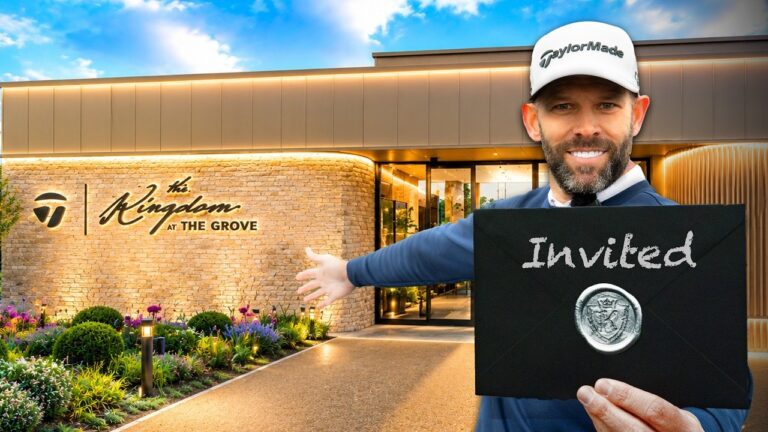

If you care about golf equipment, custom fitting, and the small details that can change how you play, TaylorMade’s new Kingdom at The Grove is a fascinating development. This is Europe’s first TaylorMade Kingdom, and it has been designed to bring a tour-level golf fitting experience to everyday players.
What makes it different is not just the luxury feel. It is the combination of advanced technology, outdoor ball flight testing, a dedicated putting lab, and an on-site build workshop that can turn a fitting into a same-day equipment solution. Instead of getting numbers from a simulator and waiting weeks to see results, you can test, refine, and in some cases leave with your new golf club built to spec.
This article breaks down the full experience step by step, from arrival to fitting to putter analysis, so you can understand what a modern premium golf fitting can look like and why this facility stands out.
Table of Contents
- Step 1: Understand what makes this golf fitting centre different
- Step 2: Start with the full golf experience, not just the clubs
- Step 3: See why the on-site golf workshop changes everything
- Step 4: Use golf technology to narrow down the right options
- Step 5: Test golf clubs outdoors with premium golf balls
- Step 6: Solve a real golf gapping problem
- Step 7: Discover why the best golf answer was a 9-wood
- Step 8: Build the golf club on site and verify the result
- Step 9: Use the putting lab to improve golf performance on the greens
- Step 10: Learn what this means for your own golf fitting
- Step 11: Decide whether this kind of golf fitting is worth it for you
- Frequently Asked Questions
Step 1: Understand what makes this golf fitting centre different
The first thing that stands out about the Kingdom at The Grove is that it is not positioned as a standard retail fitting bay. It is designed to feel closer to a tour environment. From the welcome area to the fitting studios, everything has been built around the idea that custom golf fitting should be immersive, personal, and highly precise.
The space includes:
- Advanced fitting studios
- A dedicated putting lab
- An on-site workshop for building clubs
- Outdoor range testing with premium golf balls
- Tour-inspired displays and player equipment references
That last point matters more than it may seem. Many golf fittings are functional but forget the experience. Here, the environment is part of the appeal. The goal is to make you feel as though your fitting matters, not as though you are simply moving through a standard appointment slot.
Step 2: Start with the full golf experience, not just the clubs
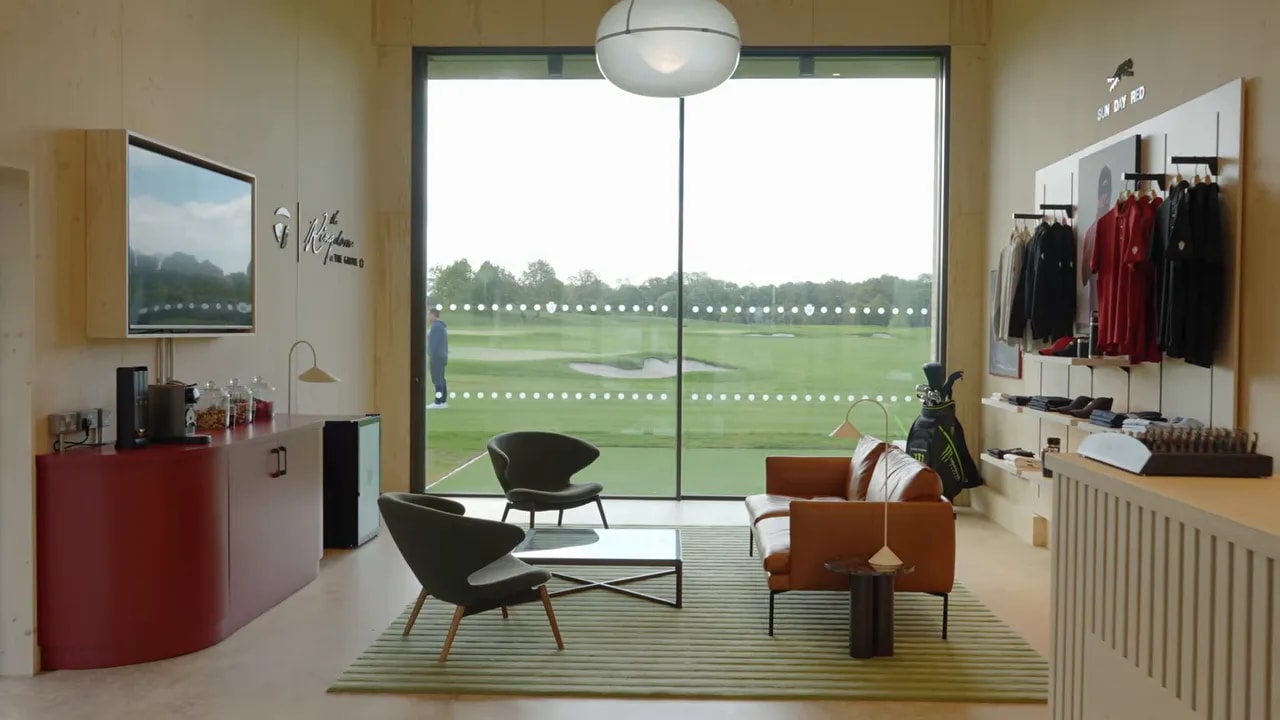
As soon as you walk in, the Kingdom signals that this is a different kind of golf venue. There is a floor-to-ceiling view across a manicured range, a player lounge area, refreshments, and personalized touches such as your name on the screen.
The player area is built to encourage you to relax before the fitting begins. That may sound like a luxury detail, but it has a practical benefit. A relaxed player tends to make freer swings and give more honest feedback, which leads to better fitting decisions.
The space also features tour player-inspired displays, including clubs built to the exact specifications of major TaylorMade staff players. That includes setups associated with names such as Tiger Woods and Rory McIlroy. For any serious golf enthusiast, getting close to those details offers useful perspective on how exacting elite equipment setups really are.
There is also a locker room concept that mirrors the tour truck feel. Guests are integrated into the same environment as the player displays, reinforcing the central idea of the Kingdom: you may not be a tour pro, but your golf fitting can still be treated with tour-level attention.
Step 3: See why the on-site golf workshop changes everything
One of the most significant advantages of the Kingdom is the workshop. This is where the facility moves beyond premium presentation and into genuine practical difference.
In many golf fittings, once the numbers are collected, the process pauses. Clubs are ordered, built elsewhere, shipped later, and then tested after the fact. If something is slightly off, another round of adjustments may be needed.
At the Kingdom, much of that gap disappears.
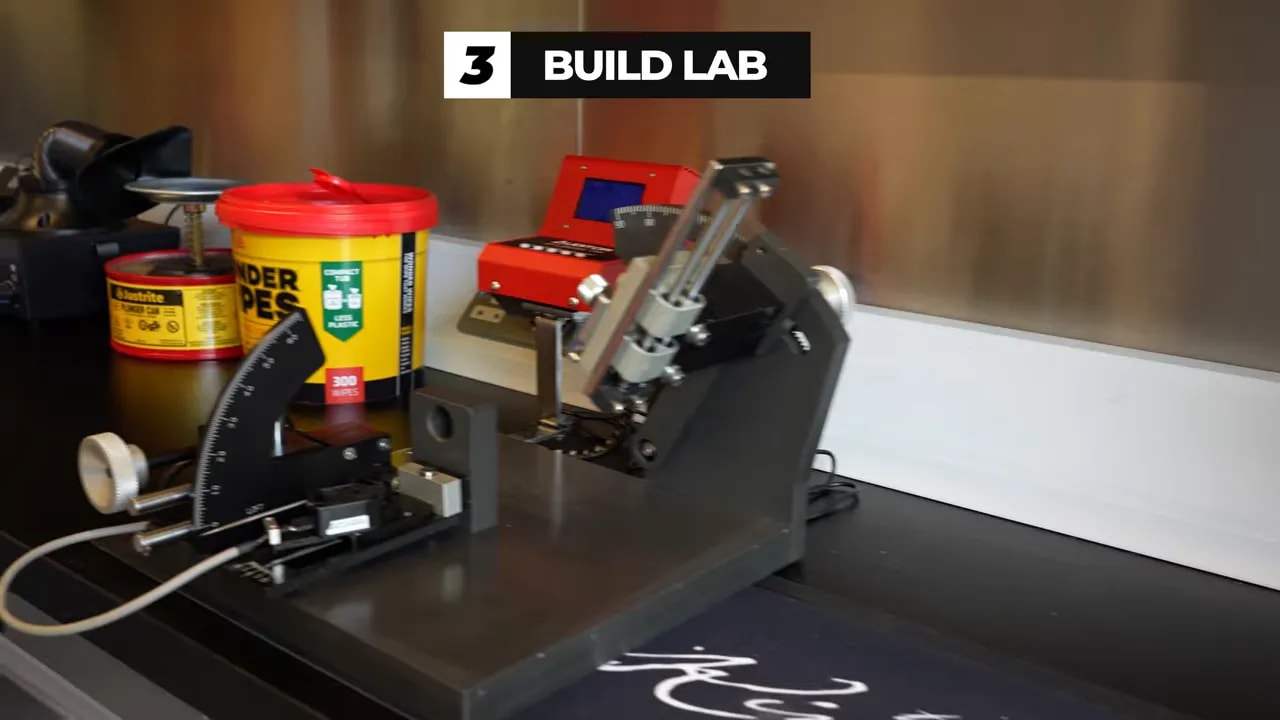
The workshop can:
- Build clubs on site
- Check loft and lie angles
- Confirm swing weight
- Make quick performance-based adjustments
- Allow you to observe the build process through a viewing window
This matters because a proper golf fitting is not only about identifying the right head and shaft combination. It is also about delivering the final club exactly as intended. If a player needs a specific feel, face angle, lie angle, or balance, those details have to be executed accurately. Having the build team on site closes the loop between fitting theory and finished product.
There is even the possibility, depending on the fitting and the schedule, of having clubs ready extremely quickly. For a golfer staying at The Grove, that could mean being fit one day and teeing off with new clubs the next morning. That kind of turnaround is rare in golf.
Step 4: Use golf technology to narrow down the right options
The fitting bays are stocked at a level that is hard to match. There are around 800 shafts available, covering fairway woods, hybrids, rescue clubs, irons, and multiple length options. Even niche products like a mini driver are available.
That huge inventory matters because it prevents the fitting from being limited by what happens to be in stock. Instead of forcing your swing into a small pool of options, the fitter can work from a broad matrix of possibilities.
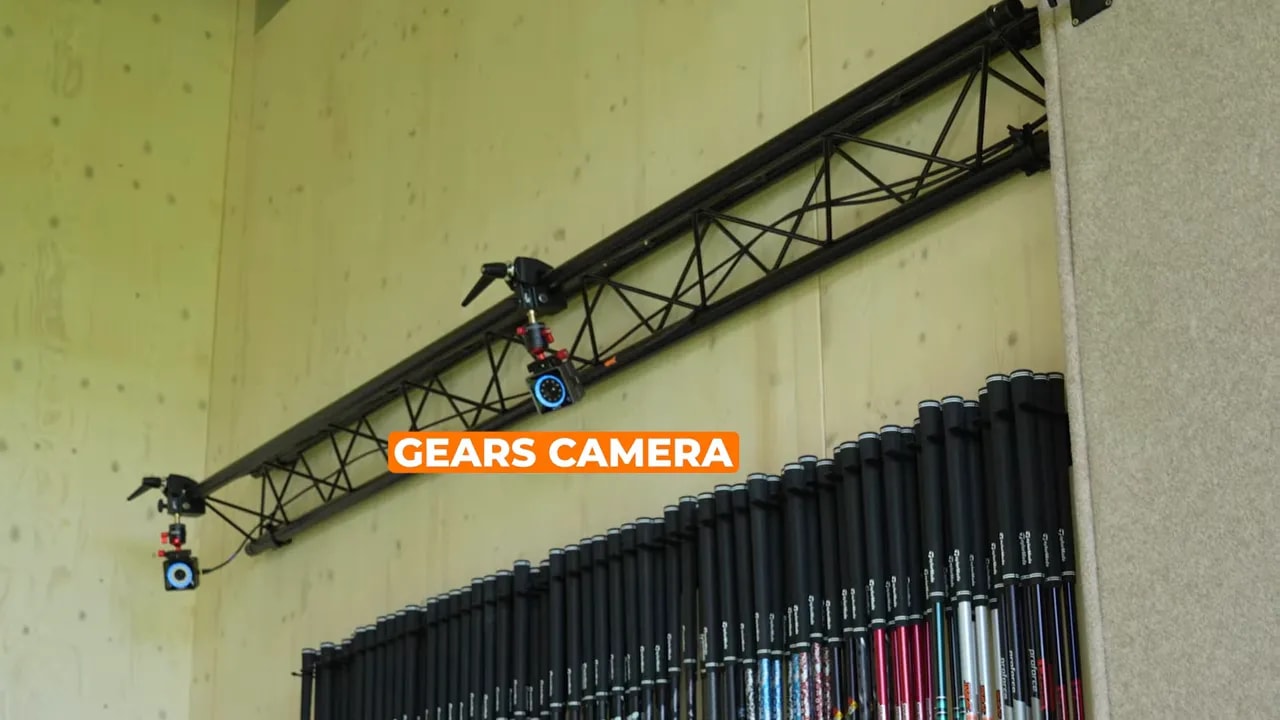
To make that manageable, the Kingdom uses 3D motion capture through Gears cameras installed in the ceiling. This system tracks the golf swing in detail and helps identify a sensible starting point among hundreds of shaft and head combinations.
Technology like this is most useful when it supports the fitter rather than replacing judgment. The purpose is not to overwhelm you with data. It is to reduce guesswork and accelerate the path toward clubs that fit your motion, speed, delivery, and preferences.
Another major advantage is that the fitting can move quickly from indoor measurement to outdoor validation. Once the initial direction is established, shots can be tested on the range, which provides something every serious golf player values: real ball flight.
Step 5: Test golf clubs outdoors with premium golf balls
Outdoor testing is one of the strongest parts of this fitting process. Instead of relying entirely on simulator projections, shots are hit downrange using premium TaylorMade TP5 or TP5x balls.
That is important because ball flight can look very different when you see it in the air rather than on a screen. Launch, curvature, peak height, and descent angle become easier to understand in a real golf environment.
The surface itself has been chosen carefully too. The fitting area uses premium synthetic turf designed to replicate real turf as closely as possible. That allows for consistent contact while still preserving a high-end strike feel. For players who are skeptical of mats during a golf fitting, this is an important detail.
The result is a process that combines controlled measurement with realistic testing. That balance is what many fittings are missing.
Step 6: Solve a real golf gapping problem
The equipment challenge in this fitting was specific and familiar to many golfers. The issue sat at the top end of the bag.
The current setup included:
- A 5-wood
- A 7-wood
- A 4-iron
- A 2-iron that had become harder to use over time
The problem was gapping. The 7-wood felt too close to the 5-wood, while the jump down to the 4-iron was too large. In practical golf terms, that means too many shots with no ideal club.
The fitter began by gathering baseline numbers:
- The 4-iron carried around 212 yards
- The 5-wood averaged around 248 yards of carry
That left a clear gap to fill. Instead of chasing a club based on label or assumption, the fitter worked backward from the target number. The job was simple in principle: find a club that flew the right distance, launched high enough, landed softly, and did not produce a left miss that the player disliked.
This is one of the best examples of why custom golf fitting matters. You are not buying a club category. You are solving a yardage and performance problem.
Step 7: Discover why the best golf answer was a 9-wood
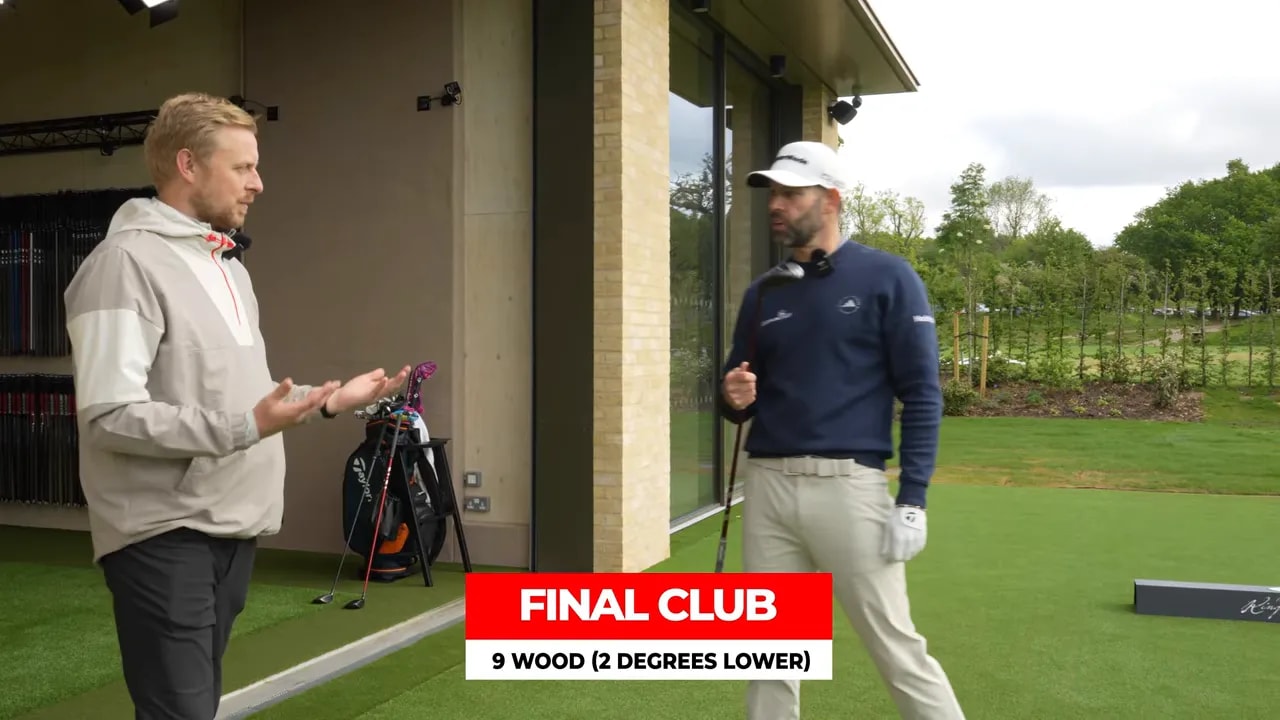
The solution turned out to be unexpected but logical: a 9-wood, adjusted by two degrees to reach roughly 22 degrees of loft.
Why did that work?
- It produced a carry distance of about 236 yards
- That placed it neatly between the 4-iron and 5-wood
- It launched high and landed softly
- The loft and sleeve setup helped manage face angle and reduce the fear of a left miss
For many golfers, especially those who are playing less often or finding long irons harder to launch, fairway woods with more loft can be excellent tools. In modern golf, a 9-wood is no longer a novelty. It can be a highly effective scoring club for long approaches and recovery shots.
The fitting also demonstrated a major practical advantage over a 2-iron. From a slightly nestled lie in the rough, the 9-wood could still launch the ball with enough speed and spin to hold its line and carry effectively. A long iron might struggle to do that.
This is a useful reminder for any golf player: the best club is not the one that sounds toughest or looks coolest. It is the one that covers a needed number and performs from the situations you actually face on the course.
Step 8: Build the golf club on site and verify the result
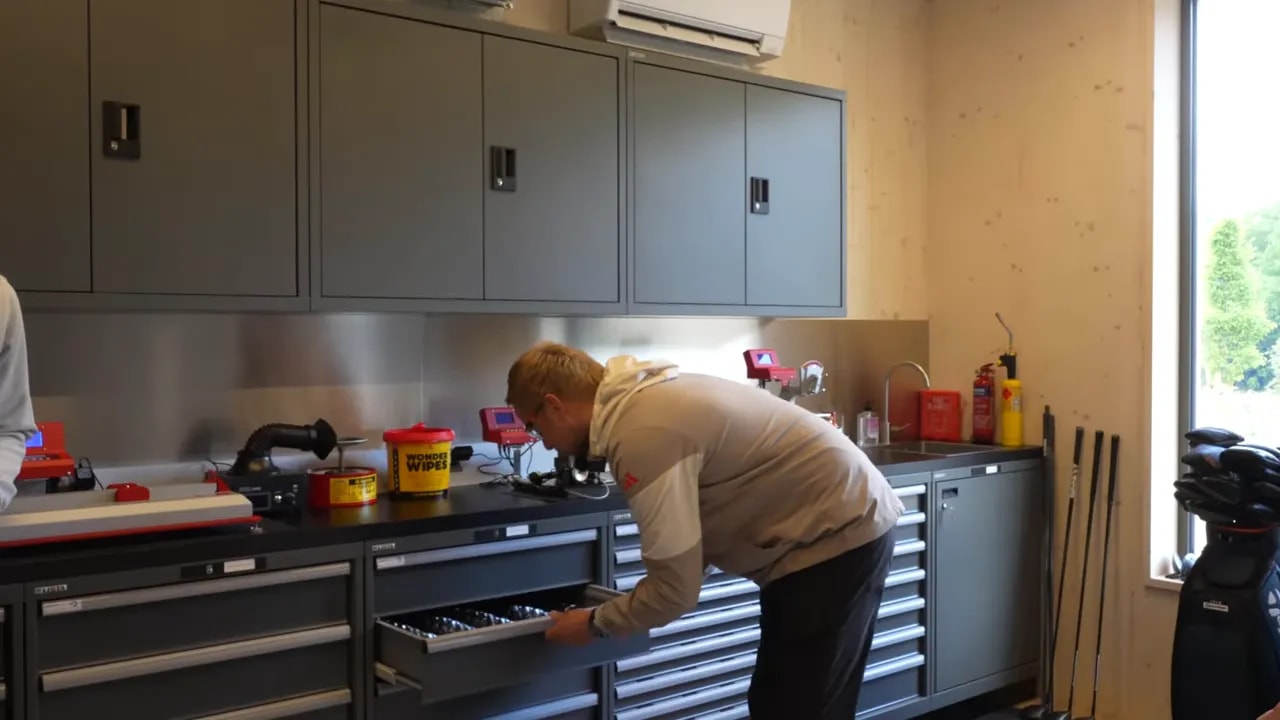
Once the correct setup had been identified, the process moved straight into the workshop. The club was built there and then, with the swing weight checked during assembly and the final details completed on site.
This part of the experience makes the fitting feel complete. Instead of ending with a recommendation sheet, you get to see the chosen golf club become real. It also creates immediate confidence because the transition from fitting to finished build is handled by the same team in the same facility.
For golfers who care about equipment details, this is a major benefit. The fitting does not vanish into a supply chain. It stays connected to craftsmanship.
Step 9: Use the putting lab to improve golf performance on the greens
The Kingdom’s putting studio may be the most technically impressive part of the entire facility. It combines two main systems:
- Quintic for ball roll data
- Gears for 3D putter motion analysis
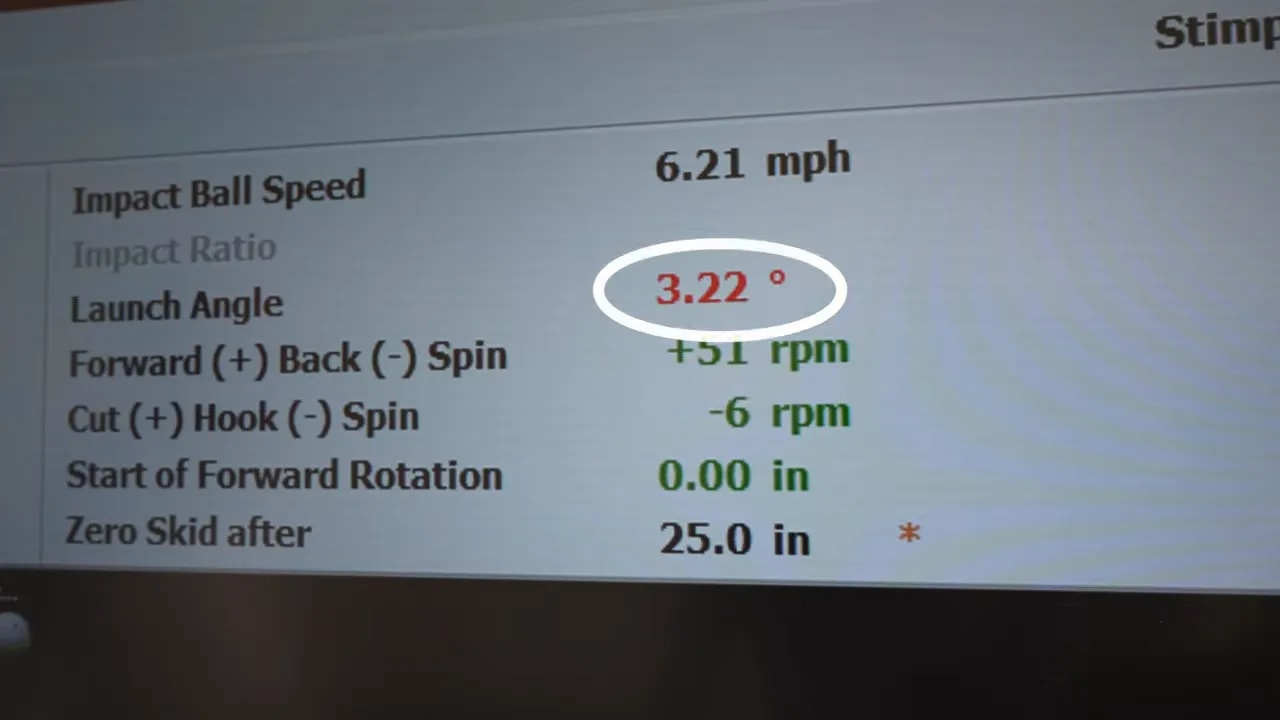
Quintic measures what the ball does after impact. That includes launch, skid, and forward roll. In the session, the putter produced 51 RPM of forward roll, which was good, but the launch angle at 3.2 degrees was slightly high.
That opened up an important golf fitting conversation. If a player loves the putter and putts well with it, does that launch need to be adjusted by changing loft? Or is there a setup or technique tweak that can improve roll without changing the putter itself?
A small forward press was tested, and the numbers improved. Launch moved into a better window and forward roll increased. That is a great example of a putting fitting not being limited to equipment alone. Sometimes the answer is a blend of club spec and player motion.
After Quintic, the session moved to Gears. This system captured how the putter moved through space, including strike location, face position at address, and face delivery at impact.
One useful measure was the difference between face angle at address and face angle at impact. In this case, the putter was delivered only 0.3 degrees from where it started, which is a very strong consistency number in golf terms.
The data also suggested that putter length could be influencing setup and face position. Another factor discussed was whether using a line on the ball could help square the face more consistently. Again, this is where a high-level putting analysis becomes valuable. It is not just about buying a new putter. It is about understanding what your stroke and setup are really doing.
Step 10: Learn what this means for your own golf fitting
The Kingdom at The Grove offers a useful blueprint for what a premium golf fitting should aim to be.
At its best, a fitting should help you:
- Identify actual performance gaps in the bag
- Match club design to the shots you need to hit
- Validate numbers with real ball flight
- Adjust specifications rather than relying on stock assumptions
- Understand whether technique, setup, or equipment is driving the result
The Kingdom appears to do all of that while also making the process enjoyable. The luxury side of the experience is real, but the substance matters more. The combination of fitters, data, range access, and workshop support turns the session into something much closer to true performance testing.
If you are considering a serious golf fitting, the big lesson is not that everyone needs a TaylorMade Kingdom. It is that the best fittings solve problems in a measurable way. They do not simply confirm your existing preferences. They test them.
Step 11: Decide whether this kind of golf fitting is worth it for you
This type of experience is likely to appeal most to golfers who fall into one of these categories:
- You are investing in a new set and want confidence in every specification
- You have a clear gapping issue in the bag
- You struggle with long clubs and want smarter options
- You are serious about putter performance and ball roll
- You value equipment detail and want access to premium technology
If that sounds like you, a high-end golf fitting can be money well spent. The right club can improve launch, consistency, distance control, and confidence. More importantly, it can remove indecision from the course. When your bag is properly built, club selection becomes simpler.
The standout takeaway from this experience was not just that the facility looked impressive. It was that the fitting produced a clear answer. A difficult gap at the top end of the bag became a solved problem, and the solution was built on the spot.
Frequently Asked Questions
What is the TaylorMade Kingdom at The Grove?
It is TaylorMade’s first Kingdom facility in Europe. It offers a premium golf fitting experience with advanced fitting bays, a putting studio, outdoor range testing, and an on-site build workshop.
Is the Kingdom only for tour players?
No. Although the environment is inspired by tour-level golf, the experience is open to the public.
What makes this golf fitting different from a normal fitting?
The biggest differences are the level of technology, the ability to test outdoors with premium golf balls, the dedicated putting lab, and the on-site workshop that can build or adjust clubs quickly.
What technology is used in the golf fitting bays?
The facility uses Gears 3D motion capture in the full swing and putting areas. In the putting studio, Quintic is also used to analyze launch, skid, and forward roll.
What club solved the gapping issue in this golf fitting?
A 9-wood adjusted to around 22 degrees of loft filled the gap between the 4-iron and 5-wood. It produced the right carry distance, launched high, and offered better performance from rough than a 2-iron.
Can clubs really be built on site?
Yes. One of the standout features of the Kingdom is its workshop, where clubs can be built, checked for loft and lie, and prepared quickly after the fitting.
Why does outdoor golf testing matter?
Outdoor testing lets you see true ball flight, height, curvature, and landing behavior. That gives you a more realistic picture of how a club will perform on the course.
For any golfer interested in equipment, this facility shows where premium golf fitting is heading. It is more connected, more precise, and more complete. Instead of separating analysis, testing, and build quality, it brings them together in one place. That is what makes the Kingdom at The Grove feel genuinely different.
0 Comments