

If your golf takeaway has always been built around the idea of keeping the club low and slow, you may be making the backswing harder than it needs to be. For many golfers, that advice creates a chain reaction of swing problems that show up later in transition, at impact, and in overall contact quality.
The better pattern is often early wrist hinge in the backswing. That does not mean snatching the club away with your hands. It means getting the clubhead moving sooner, creating better separation between your body and the club, and putting the shaft on a much more useful path early in the swing.
When you do that well, solid contact becomes easier. The club feels lighter. The backswing gets more organized. And your downswing has a better chance to deliver the club with speed and control.
Table of Contents
- Step 1: Understand why low and slow hurts so many golfers
- Step 2: Use early wrist hinge in the backswing to create separation
- Step 3: Learn the checkpoint that great players match
- Step 4: Train the move with the lead hand drill
- Step 5: Keep your body level while the club works up
- Step 6: Get the club working on plane early
- Step 7: Keep width without losing your hinge
- Step 8: Match the timing correctly
- Step 9: Use the move to improve solid contact and iron compression
- Step 10: Rehearse the right feels until they become natural
- FAQ
Step 1: Understand why low and slow hurts so many golfers
The phrase low and slow sounds smooth, simple, and controlled. That is why so many golfers cling to it. The problem is that most players do not apply it the way great ball strikers move the club.
Instead of creating a connected start, they move everything together for too long. The club stays low, wide, and heavy. The upper body drifts with the club. The shoulders flatten out. The head moves too far off the ball. And the club often works too far inside.
That creates trouble in two major ways:
- You lose the early separation between body motion and club motion that good players use.
- You tend to move everything together again in transition, which makes the downswing harder to sequence.
For a lot of amateur golfers, that is the real issue. The takeaway is not just a cosmetic problem. It sets up the rest of the swing.
If the club gets dragged back too low and too long, it feels heavy. Once it feels heavy, your body starts reacting to the club instead of directing it. That is when the swing can get stuck, under plane, and difficult to recover.
Step 2: Use early wrist hinge in the backswing to create separation
The fix starts with a new intention. Instead of dragging the clubhead away from the ball, you want to get the clubhead moving up sooner.
This is where early wrist hinge in the backswing becomes so valuable. A better hinge helps the club rise onto plane earlier, and it allows your body and club to work with more useful separation.
That separation matters because what happens early often repeats later. If you move body and club together for too long going back, you are likely to move body and club together during the transition as well. If you create some separation early, you give yourself a better chance to create separation coming down.
Think of the swing as an energy problem. Your body starts the motion, but its job is to put energy into the club. If the club never gets moving early, you are forced to add speed and structure later, and that usually leads to compensations.
A good feel is that the club is gaining some upward motion sooner while your body is still moving naturally. That makes the club feel lighter and more athletic.
Step 3: Learn the checkpoint that great players match
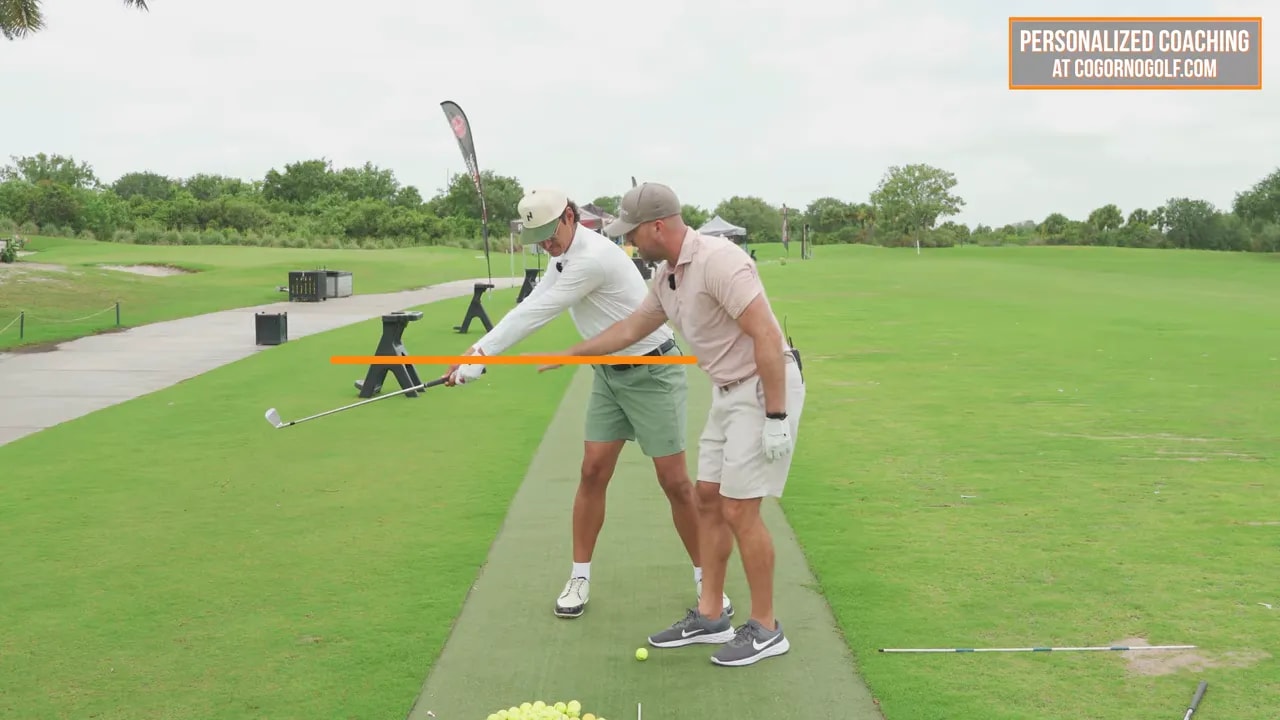
One of the cleanest checkpoints for early wrist hinge in the backswing shows up when the club first gets to about hip high.
At that point:
- Your hands should be slightly below the hip line.
- Your clubhead should be slightly above the hip line.
That picture is a far cry from the common amateur pattern where the hands are hip high and the clubhead is still below them or trailing too far behind.
This checkpoint shows up in elite swings like Adam Scott and Nelly Korda. Their clubheads work upward early, not because they are lifting with tension, but because their wrists hinge in a way that supports the plane of the swing.
If you want a golfer friendly swing thought, use this one:
- Hands a little below hip high, clubhead a little above.
That simple image can clean up a lot of takeaway issues.
Step 4: Train the move with the lead hand drill
The easiest way to feel early wrist hinge in the backswing is with a simple drill.
Set up like this:
- Grip down on the club with your lead hand.
- Place your trail thumb on the top of the grip.
- Start your backswing with a small body motion.
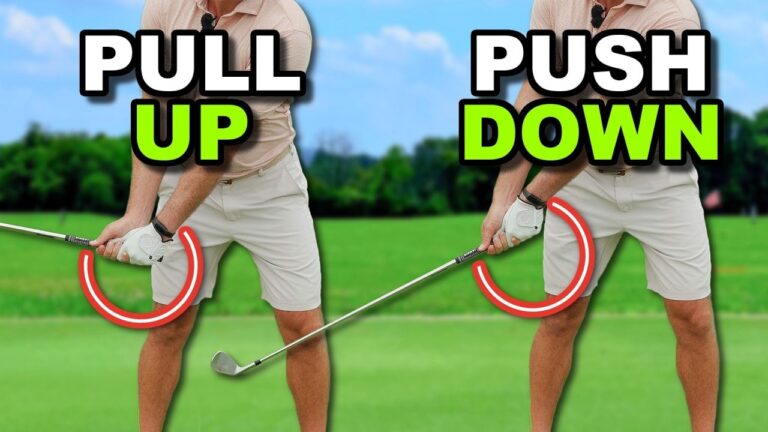
- As your body moves, use the trail thumb to push the top of the grip down.
This is one of those feels that instantly changes the motion. Instead of dragging the club low and wide, you feel the clubhead moving up and back earlier. The wrists begin hinging naturally, and the club no longer feels like it is pulling your body out of position.
You can also pair that with a light sensation from the lead hand. Some golfers like the feeling of pushing down with the lead hand. Others like the feeling of the lead hand moving up on a diagonal. Both can work if they produce the right club motion.
The key point is this:
- You are not shoving your hands downward toward the turf.
- You are maintaining your posture while applying pressure to move the club correctly.
That distinction matters. If your whole torso drops with the club, you lose the leverage needed to create the hinge.
Step 5: Keep your body level while the club works up
A lot of golfers make a second mistake when they try to fix the first one. They hear “get the club up” and immediately lift their arms or stand the shaft up without using their body well.
That is not the goal.
Your body still needs to move. You still need some pivot, some turn, some tilt, and some extension. What you do not want is for your spine and torso to chase the club back in the same direction.
A useful feel is to maintain your height while the club hinges upward. Some players even feel a slight chest-up sensation as the club starts back. That keeps the club from dragging the upper body down and around too early.
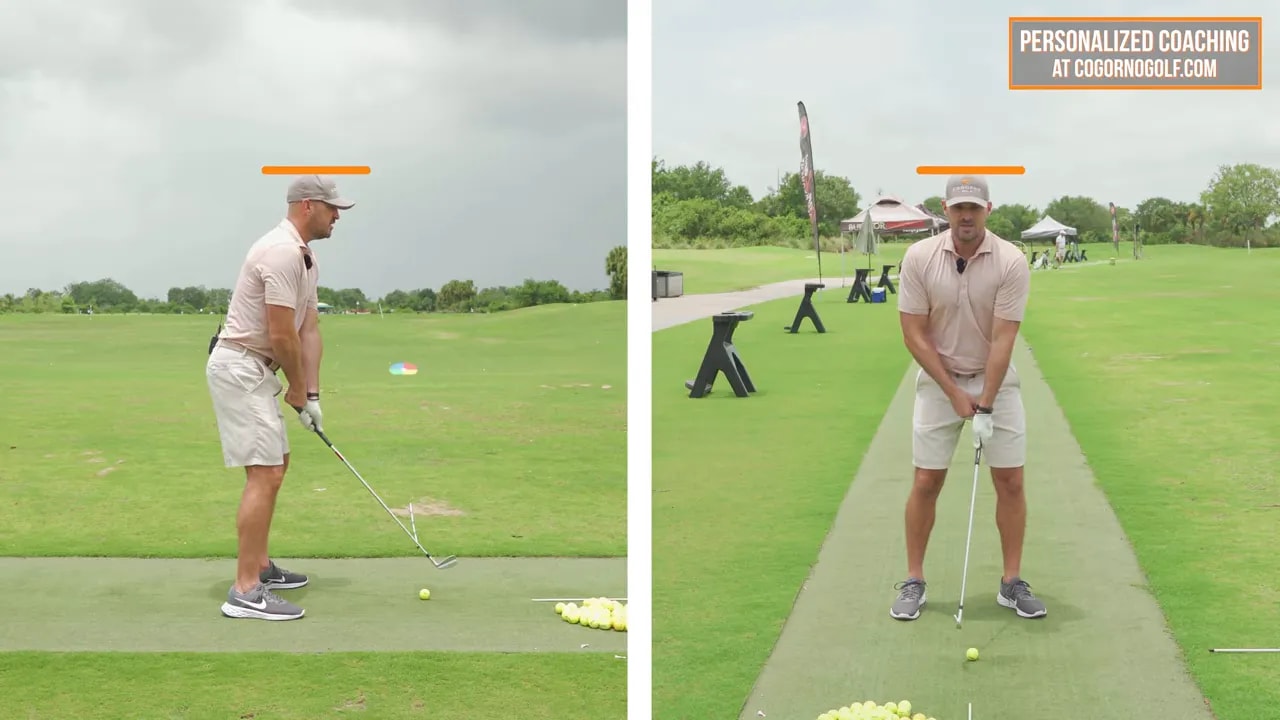
This is a big deal for contact. If your torso follows the club too much early, you make it harder to organize the club later. If your body stays more level and athletic, you can apply force into the club instead of just moving with it.
Step 6: Get the club working on plane early
Another huge benefit of early wrist hinge in the backswing is that it helps the shaft get on plane sooner.
That matters because the farther the club gets under plane early, the more compensations you usually need later. A club that works too low and too far inside often leads to difficult delivery patterns on the way down.
When the club hinges correctly, it tends to ride much closer to the shaft plane from the start. That means fewer moving parts and less rerouting.
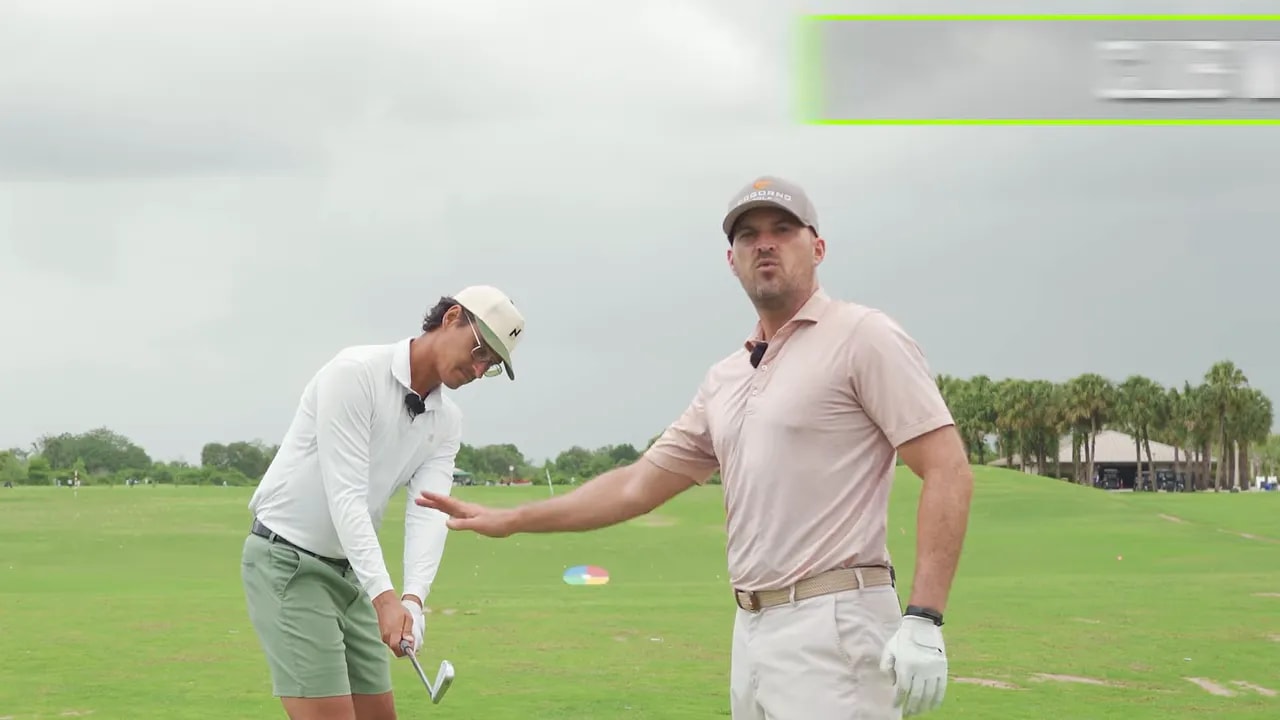
This is why the move looks so clean in polished swings. The club goes up the plane and comes down the plane with less manipulation. That is efficient golf.
If you are a player who tends to suck the club behind you, this may be the single best takeaway fix you can make.
Step 7: Keep width without losing your hinge
Some golfers hear this advice and worry that hinging earlier will make the swing too narrow. That is a fair concern, but it comes from misunderstanding where width actually comes from.
Width does not come from keeping the wrists stiff and unhinged for too long.
Width comes from:
- Your body pivot
- Your arms traveling away from the target
- The natural length of your arm swing
Good players can hinge the club early and still create plenty of width because their hands keep moving away from the target as the torso pivots.
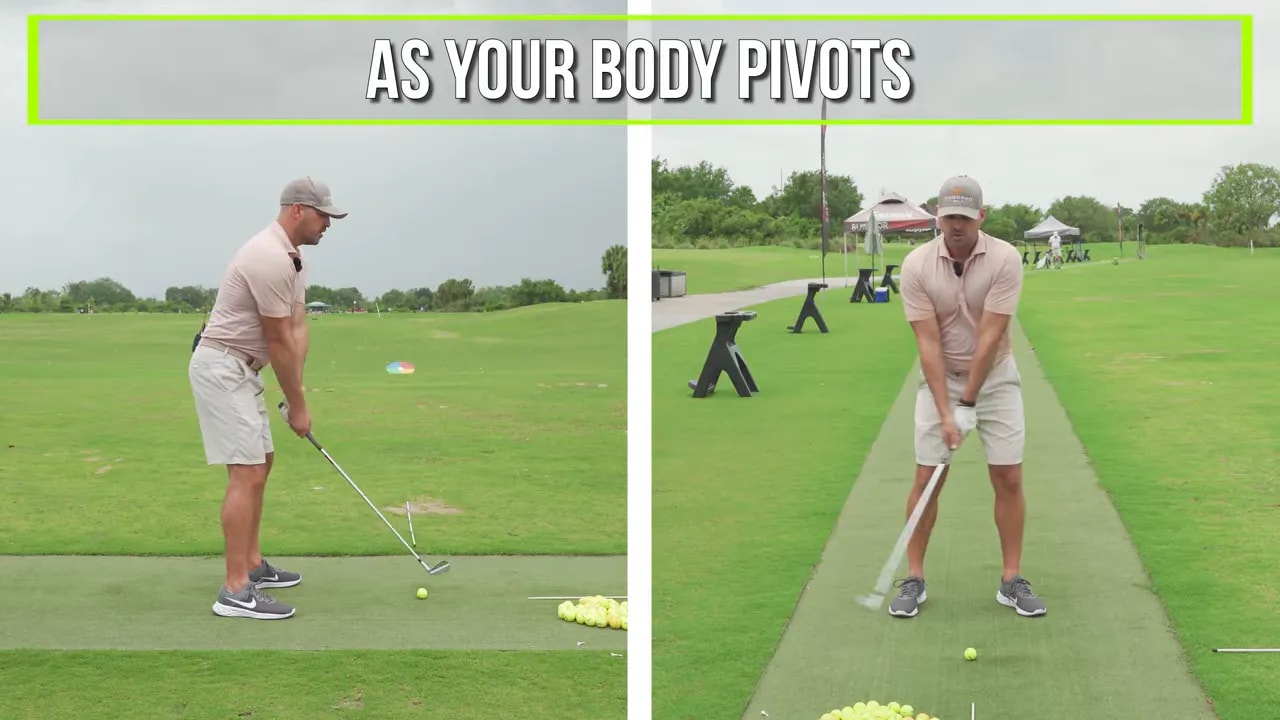
That is an important takeaway checkpoint. You are not just cocking the club vertically in front of you. Your hands are still traveling. Your body is still turning. The hinge simply helps the club organize itself instead of lagging behind.
A helpful way to think about it is this:
- The body creates width.
- The wrists create structure.
When those two pieces work together, the takeaway gets a lot cleaner.
Step 8: Match the timing correctly
Timing is where golfers often get confused. If the club is moving up sooner, does that mean the hands or club start first?
Not really.
The better feel is that your body begins the motion, then that motion helps energize the club quickly. You need a little momentum from your pivot so you can put energy into the shaft and clubhead.
That means you are not trying to stand still and just hinge your wrists. You are also not trying to turn the body while leaving the club passive. It is a blended move, but the clubhead gets moving earlier than most golfers expect.

For many players, the right sequence feels like this:
- Small body motion starts the backswing.
- The club responds quickly with an early hinge.
- The hands continue moving away from the target.
- The club rises onto plane instead of staying low and trapped.
That is a much better recipe than dragging everything away together.
Step 9: Use the move to improve solid contact and iron compression
The real payoff is not a prettier swing on camera. It is better contact.
When the ball is on the ground, especially with irons, getting the club working up earlier helps it work down better later. That supports cleaner strikes, improved compression, and more pop on the ball without feeling like you have to swing harder.
That is a golfer-friendly win. More solid contact with less effort is the kind of swing change most players can get behind.
This pattern also helps with the driver. Even though driver can look slightly wider, the same concept still matters. If the body and club move together too much in the takeaway and then do the same in transition, the driver often gets delivered poorly with the upper body too far ahead.
So while the exact picture can vary a bit from iron to driver, the core principle stays the same. You want early organization of the club, not a heavy dragging motion.
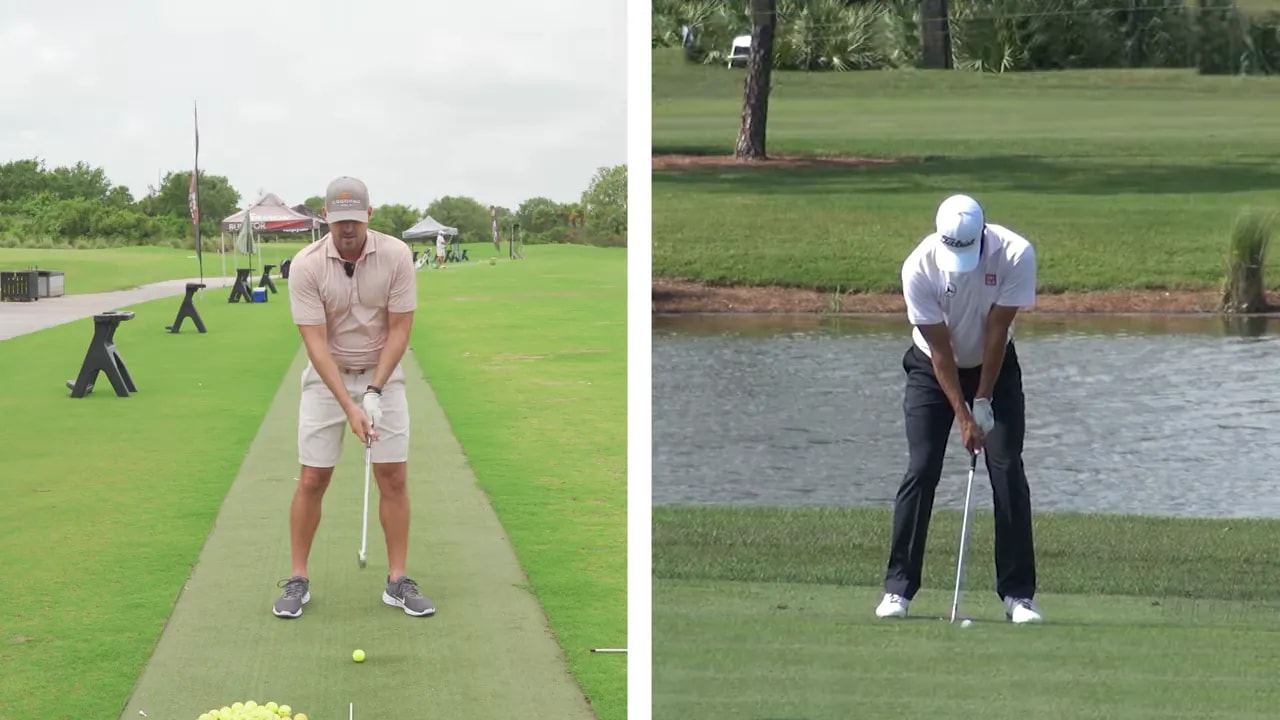
If you test this on the range, the best sign is simple. The strike should feel more centered and more compressed. If you only get a visual improvement but the contact does not improve, keep refining the blend of body motion and hinge.
Step 10: Rehearse the right feels until they become natural
The best way to own this move is to rehearse it slowly before hitting full shots. Build the pattern in stages.
- Make slow takeaway rehearsals with the lead hand drill.
- Pause when your hands reach about hip high.
- Check that the clubhead is slightly above that line.
- Add body pivot while keeping your height steady.
- Hit short shots with the same sensation.
- Gradually blend it into fuller swings.
If you are a golfer who has spent years trying to stay low and slow, the correct move may feel exaggerated at first. That is normal. Most players need a stronger feel before they arrive at a better real position.
The main thing is to avoid extremes. You are not trying to jerk the club up with just your hands. You are training a backswing that is more athletic, more structured, and easier to repeat.
FAQ
Is low and slow always wrong in the golf takeaway?
No. The issue is not the phrase itself. The issue is that most golfers overdo it and drag the club too low, too long, and too far inside. That often causes the body and club to move together for too long, which makes the rest of the swing harder to organize.
What is the best checkpoint for early wrist hinge in the backswing?
A strong checkpoint is when your hands are around hip high. At that point, your hands should be slightly below the hip line and the clubhead should be slightly above it. That is a simple way to check for useful early wrist hinge in the backswing.
Will early wrist hinge make my swing too narrow?
Not if you keep your body pivoting and your arms traveling away from the target. Width comes from the motion of the body and arms, not from keeping the wrists stiff for too long.
Should my hands start the takeaway first?
No. A better feel is that your body starts the motion and then helps energize the club quickly. The clubhead should move sooner, but not because you are standing still and flipping the wrists.
Does this help with irons more than driver?
It is especially useful for iron contact because getting the club working up can help it work down more effectively. But the same concept also helps with driver by preventing the body and club from moving together too much in the takeaway and transition.
What should early wrist hinge in the backswing feel like?
Many golfers do well with the feel of pushing down on the top of the grip with the trail thumb while the body starts the backswing. Others like feeling a slight diagonal up motion with the lead hand. The right feel is the one that gets the clubhead moving up sooner without losing posture or body motion.
If your takeaway has felt heavy, stuck, or hard to repeat, there is a good chance the club is staying low for too long. Replacing that pattern with early wrist hinge in the backswing can make the whole swing easier to organize.
Keep it simple. Get the clubhead moving sooner. Let the body supply the motion. Match the hip-high checkpoint. And build the feel until solid contact starts showing up more often.
0 Comments