


Awkward lies around the green can make even a simple golf chip feel intimidating. One of the toughest is an upslope, where the ground rises sharply under your feet and changes how the club moves through impact. If you have ever stood over one of these shots and felt unsure whether to help the ball up or keep it low, the good news is that the decision is actually quite simple.
On a severe upslope around the greens, you have two main golf options. You can either match the slope and let the loft send the ball high, or you can fight the slope and create a lower, more driven trajectory. Each choice changes your setup, strike, and expected ball flight.
The key is not trying to play every upslope chip the same way. Better golf decisions come from understanding what the slope is doing to the club, then choosing the shot that best fits the landing area and rollout you need.
Table of Contents
- Step 1: Understand what an upslope does to your golf chip
- Step 2: Choose the right golf shot before you set up
- Step 3: Match the slope for a high, soft golf shot
- Step 4: Know when the high-loft golf option can hurt you
- Step 5: Fight the slope for a lower, driven golf shot
- Step 6: Respect the difficulty of the lower-flight golf technique
- Step 7: Pick your golf club with the shot shape in mind
- Step 8: Match the follow-through to the golf shot you chose
- Step 9: Build a simple decision-making process for golf slopes
- Step 10: Use the right golf option for the situation, not your habit
- Golf FAQ
- Final thoughts on handling golf slopes with confidence
Step 1: Understand what an upslope does to your golf chip
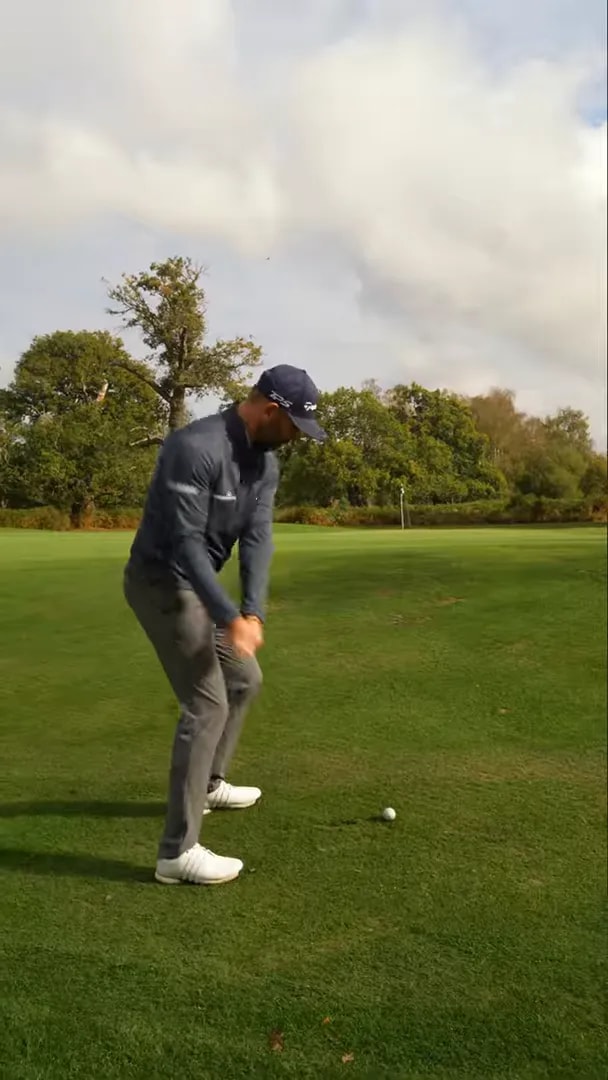
Before you pick a technique, you need to recognize what the lie is trying to do to the shot. On an upslope, the club naturally wants to travel more up the hill through impact. That changes dynamic loft and encourages a higher launch.
If you simply stand on the hill and make a normal chipping motion without adjusting, the slope tends to add height. With a lofted club such as a 60 degree wedge, that can produce a shot that flies very high and carries only a short distance.
This is why upslope chips often feel confusing in golf. The same club that might produce a soft, controlled chip from a level lie can suddenly launch the ball much higher than expected. The slope is not just affecting your balance. It is changing the effective delivery of the club.
Once you understand that, the shot becomes less about guesswork and more about choosing one of two clear patterns:
- Go with the slope for a high, soft golf shot.
- Resist the slope for a lower, more driven golf shot.
Step 2: Choose the right golf shot before you set up
The most important decision happens before you even place the club behind the ball. Ask yourself a simple question: Do you want height, or do you want lower flight?
If you have little green to work with, need to carry rough, or want the ball to land softly, matching the slope is often the smarter golf choice.
If you have more green available, want to reduce height, or prefer a more predictable release, fighting the slope can be a better option.
This decision matters because the two methods are very different. They are not small setup tweaks to the same shot. They create different impact conditions and different trajectories.
Many short game mistakes in golf happen when you choose one shot visually but set up for the other physically. For example, if you want a lower runner but set your body with the hill, the ball is still likely to pop up. If you want a soft floater but lean too far into the hill, you can make contact harder than necessary.
Commit to one intention first. Then build your setup around it.
Step 3: Match the slope for a high, soft golf shot
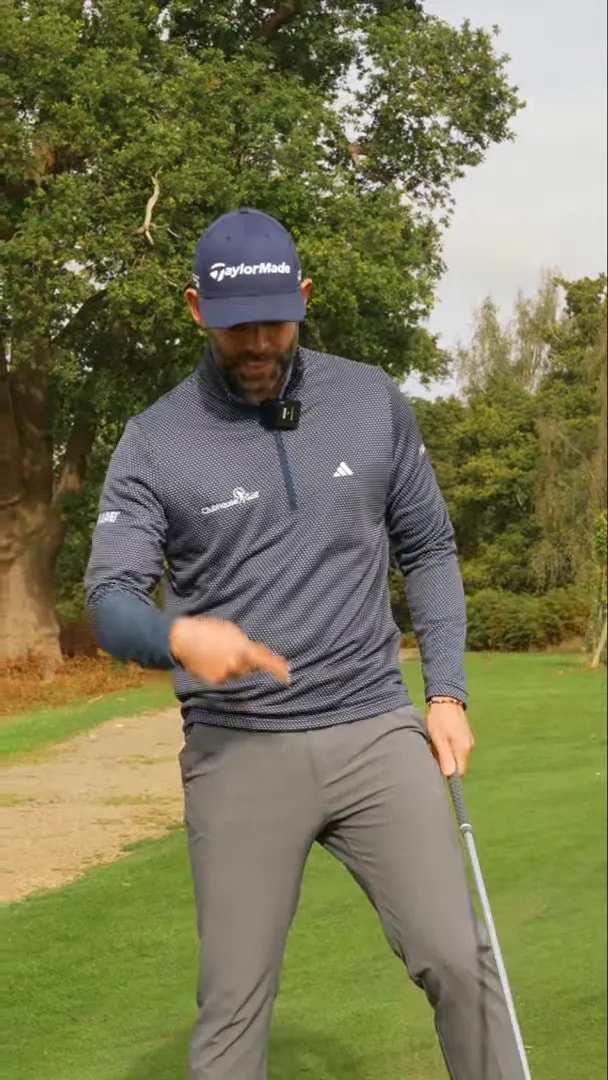
The first option is to match the slope. This means setting your body so it mirrors the angle of the hill. Your shoulders, hips, and knees all run roughly parallel to the slope.
When you do this, the club can move naturally with the terrain. You are not trying to force a motion that fights the ground beneath you. The motion tends to feel more in sync with the lie, which can make the strike easier to organize.
Here is what that setup looks like in practical golf terms:
- Your body tilts with the slope rather than against it.
- Your chest and shoulders feel aligned to the hill.
- You allow the loft of the club and the angle of the ground to work together.
The result is a shot with more height and less distance. A lofted wedge on a steep upslope effectively behaves as if it has even more loft. So if you are using a 60 degree wedge, the launch can become extremely high.
That high launch can be very useful in golf when:
- You need to stop the ball quickly.
- You are short-sided near the green.
- You must carry a hazard, fringe, or rough before landing the ball.
- You do not want much rollout after the ball lands.
There is a trade-off, though. Because the shot launches high, it does not travel very far. You should expect a soft flight and limited carry unless you make a bigger motion.
Why this golf method works
Matching the slope removes the conflict between your body and the ground. Instead of trying to force the shaft and clubhead into a lower delivery, you accept what the hill naturally promotes. In many cases, that can simplify the strike and help you use the bounce and loft more effectively.
This is often the safer method when your priority is simply getting the ball on the green with enough loft to clear trouble. It may not always be the most versatile golf shot, but it is often the most natural one from this lie.
Step 4: Know when the high-loft golf option can hurt you
Just because matching the slope is natural does not mean it is always the best play. Sometimes the height becomes a problem.
A very high shot from an upslope can come up short if you underestimate how much the slope adds loft. This is especially common when using a high-lofted wedge and making a cautious, decelerating swing. The ball pops up, lands early, and leaves too much work for the putter.
This high-flight option can be less ideal in golf when:
- You have a lot of green to use.
- The pin is deeper on the putting surface.
- You want more rollout and less carry.
- Wind or conditions make a high shot harder to control.
The lesson is simple: do not choose the high option by default just because the ball is on an upslope. Choose it when the shot calls for height.
Step 5: Fight the slope for a lower, driven golf shot
The second option is to fight the slope. This is the choice to make when you do not want the ball flying too high.
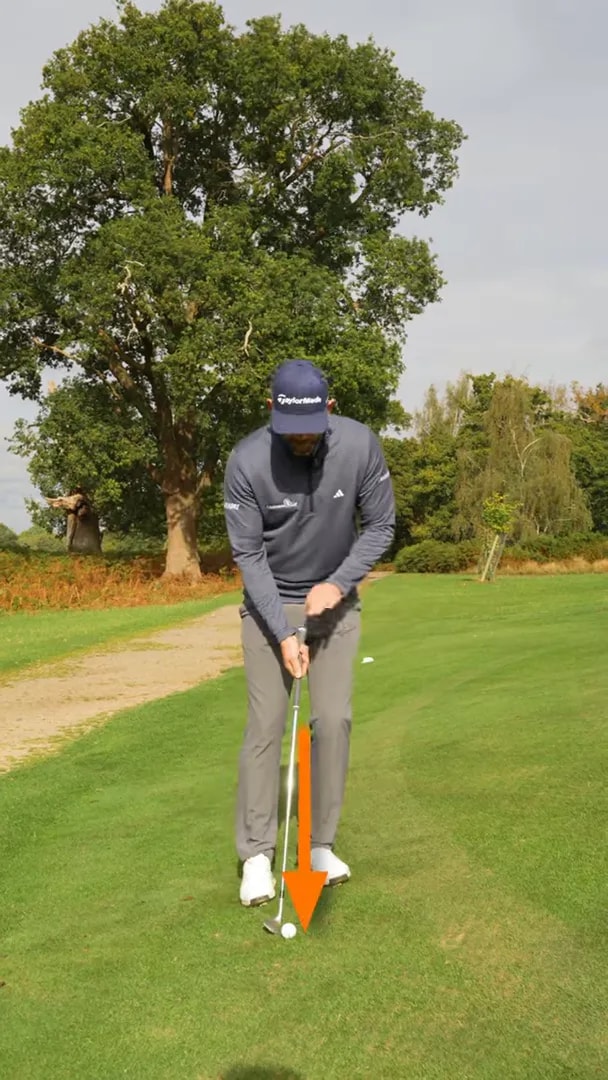
To do this, you lean more into the hill and try to keep your lead shoulder lower. You also play the ball farther back relative to your body. These changes help reduce the excessive launch the slope wants to create.
In practical golf terms, this setup is about offsetting the lie:
- You feel more pressure moving into the slope.
- Your lead side stays lower.
- The ball sits slightly farther back.
- You are trying to deliver the club with a steeper, more downward strike.
This creates a lower flight and allows you to drive the ball forward rather than sending it almost straight up. If you need a chip that lands and releases more, this is often the better method.
What changes at impact
When you fight the slope, your downward attack angle increases. That means the club is moving more steeply into the ball at impact. Because of that, the motion usually produces a shorter follow-through.
This is an important detail in golf. You should not expect a long, flowing finish like you might from a flatter lie. The strike is more compact, more controlled, and more driving in nature.
The payoff is trajectory control. You take some of the slope-induced loft out of the shot and create a ball flight that is easier to send forward.
Step 6: Respect the difficulty of the lower-flight golf technique
While fighting the slope helps you keep the ball down, it also makes the strike harder. The steeper attack can reduce your margin for error. If your contact is slightly off, you may catch the ball heavy or fail to control the launch and spin the way you intended.
That is why this shot requires commitment. If you choose the lower-flight option, you need to accept that the motion will feel firmer and more abbreviated through impact.
Here are the main trade-offs of this golf approach:
- Pros: lower trajectory, more forward motion, less dependence on height.
- Cons: steeper strike, shorter follow-through, and potentially more difficult contact.
This is not a reason to avoid the shot. It is simply a reminder that every short game option in golf comes with a cost. The best players are not looking for a perfect method. They are choosing the pattern that best matches the lie and the landing area.
Step 7: Pick your golf club with the shot shape in mind
Club selection matters even more on slopes. A 60 degree wedge on an upslope can become extremely lofted when you match the hill, producing a towering shot with very little distance. That can be useful, but it can also be excessive if the situation does not require that much height.
If you are matching the slope, remember that the hill is already helping you launch the ball. If you are fighting the slope, you are trying to take height away and make the ball travel lower.
The critical point is not a specific club recommendation. It is understanding that the lie and your setup work together to influence loft. In golf, the same wedge will not behave the same way on a severe upslope as it does on level turf.
Before you play the shot, think about these three factors:
- How much height do you actually need?
- How far does the ball need to carry?
- How much rollout do you want after landing?
Your answers will guide whether you let the slope add loft or whether you neutralize it.
Step 8: Match the follow-through to the golf shot you chose
One of the easiest ways to improve these shots is to stop expecting every chip to have the same finish. The finish should fit the intention.
If you match the slope and hit the high shot, the club can move more naturally with the hill. The motion often looks softer and more flowing.
If you fight the slope and hit the lower shot, the follow-through becomes much shorter. That is not a flaw. It is part of the technique. Trying to force a long release after a steep, driving strike can lead to poor contact.
In golf, a good follow-through is not always a long one. It is the one that matches the strike pattern you need.
Step 9: Build a simple decision-making process for golf slopes
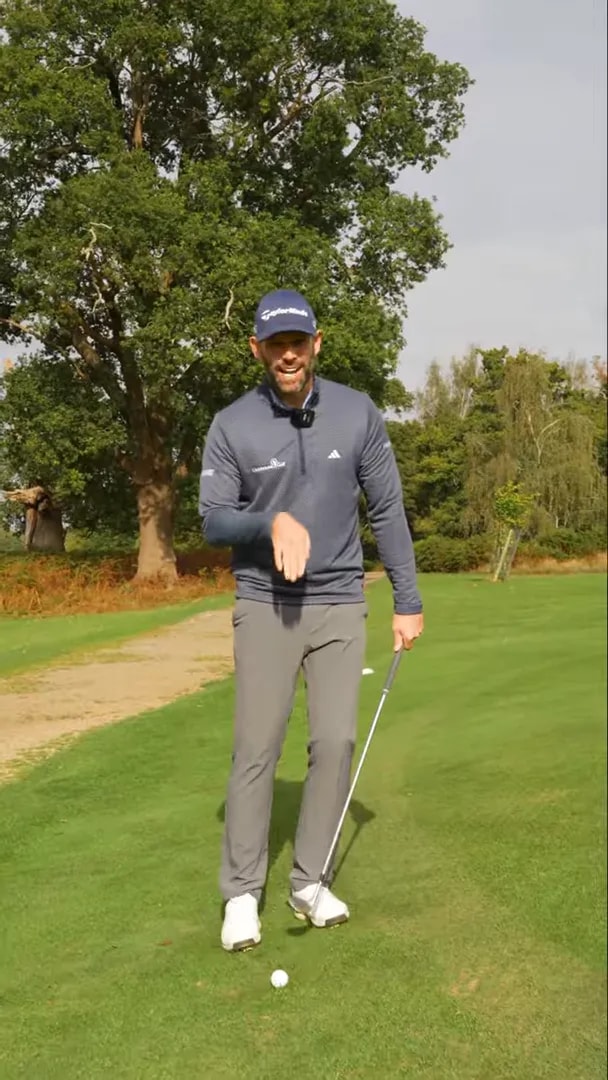
To take the fear out of upslope chips, use a repeatable process. Keep it simple enough that you can apply it quickly on the course.
- Read the slope. Is it a mild upslope or a severe one?
- Picture the landing area. Do you need a soft landing or more release?
- Choose the trajectory. High or low.
- Set up to match or fight the slope.
- Commit to the finish. Flowing for the high shot, shorter for the lower one.
This process keeps your golf short game from becoming reactive. Instead of standing over the ball and hoping your hands figure it out, you make a clear choice based on the shot requirement.
Step 10: Use the right golf option for the situation, not your habit
Many golfers have a favorite short game pattern. Some always try to loft the ball. Others prefer to keep everything low. Slopes punish that kind of automatic thinking.
The real skill is adaptability. A severe upslope gives you two valid golf solutions, and both can work well. The smart play depends on the shot in front of you.
Use matching the slope when you want the ground and the club to work together for height. Use fighting the slope when you need to reduce launch and send the ball forward with less loft.
That single adjustment in mindset can make these awkward lies far less intimidating. Instead of fearing the slope, you start using it.
Golf FAQ
What is the safest golf option from a severe upslope around the green?
In many cases, matching the slope is the safer golf option because your body aligns with the hill and the club can move more naturally through impact. This usually produces a higher, softer shot, which can be easier to organize from a difficult lie.
Why does the golf ball launch so high from an upslope?
An upslope adds effective loft at impact. If you also use a lofted wedge, the combination can send the golf ball much higher than expected. That is why these lies often produce soft shots with limited distance.
How do you hit a lower golf chip from an upslope?
To hit a lower golf chip, fight the slope by leaning more into it, keeping the lead shoulder lower, and positioning the ball slightly back. This creates a steeper, more downward strike and helps drive the ball forward on a lower trajectory.
Why is the lower-flight golf shot harder to execute?
Because fighting the slope increases the downward attack angle, the strike becomes steeper and the follow-through shorter. That can reduce your margin for error and make clean golf contact more difficult.
Should you always use a lob wedge for golf shots on an upslope?
Not necessarily. A lob wedge on an upslope can create a very high golf ball flight, especially if you match the slope. The right choice depends on how much height, carry, and rollout the shot requires.
What should the follow-through look like on these golf shots?
If you match the slope for a high golf shot, the finish can feel more natural and flowing. If you fight the slope for a lower shot, the follow-through should be shorter because the strike is steeper and more driving.
Final thoughts on handling golf slopes with confidence
A severe upslope does not need to create uncertainty in your golf short game. Once you understand the two available options, the shot becomes much easier to manage.
If you want height and softness, match the slope with your shoulders, hips, and knees, and let the club work with the ground. If you want a lower, more driven golf shot, fight the slope by leaning into it, keeping the lead shoulder lower, and moving the ball back.
Neither choice is universally right. The correct golf play is the one that fits the landing spot, rollout, and trajectory the situation demands.
Make that decision early, commit to the setup, and accept the finish that comes with it. That is how you turn one of the trickiest lies in golf into a shot you can handle with confidence.
0 Comments