


If you have ever wondered whether the driver takeaway vs iron takeaway should be different, the short answer is yes and no.
The core motion stays the same, but the way it feels changes because your setup changes. With a driver, your stance is wider and the ball is farther forward. With an iron, your stance is narrower and the ball is more centered. That changes how long it takes the club and hands to reach the same early backswing checkpoint.
For most golfers, this is one of the most useful ways to simplify the swing. Instead of trying to build a separate motion for every club, you can keep the same basic set position and let ball position, stance width, and club length create the differences.
This guide explains exactly how to use the right takeaway drill for both irons and driver, what should stay constant, what should feel different, and the mistakes that often ruin contact.
Table of Contents
- Step 1: Understand the real difference between driver takeaway vs iron takeaway
- Step 2: Learn the set position that makes the takeaway work
- Step 3: Use setup to explain why the driver takeaway feels slower
- Step 4: Keep the hand path and club plane consistent across the bag
- Step 5: Avoid the two biggest takeaway mistakes
- Step 6: Match the takeaway drill to the club in your hands
- Step 7: Understand why impact feels different even if the takeaway is similar
- Step 8: Use the right feels for irons and driver without changing the whole swing
- Step 9: Check your ball position and stance before blaming the takeaway
- Step 10: Build one swing pattern, not fourteen different takeaways
- Common mistakes golfers make with driver takeaway vs iron takeaway
- A simple practice checklist
- FAQ
- Final takeaway
Step 1: Understand the real difference between driver takeaway vs iron takeaway
The biggest misconception is that you need a completely different takeaway for a driver than for an iron. In reality, the destination in the early backswing can be the same even though the journey feels different.
A useful way to think about it is this:
- Irons reach the early set position sooner
- Driver reaches the same set position later
- The club is not being picked up differently on purpose
- The setup creates the difference in timing and feel
That means you should not force a separate wrist action for driver and irons. The same general hand path and club plane can apply to both.
What changes is how subtle it feels with the longer club.
Step 2: Learn the set position that makes the takeaway work
To understand the takeaway, you first need a clear idea of the early set position.
This checkpoint happens when the hands have moved up to about pocket high or just below belt high. At that point:
- The hands have moved back on a functional path
- The club has hinged enough to be set without becoming overactive
- The shaft is working onto a playable plane
- The rest of the backswing becomes simpler and needs less manipulation
This matters because a good set position helps you avoid rerouting the club on the way down. If your takeaway puts the club in a good place early, the downswing often becomes much easier to manage.
For many golfers, the ideal feeling is not a huge or sudden wrist hinge. It is a controlled setting of the club as the body turns, with the club moving onto plane naturally.
What a good early set generally does
- Creates a cleaner hand path
- Prevents the club from getting excessively behind you
- Reduces the need for late compensations
- Helps you deliver the club more consistently through impact
Step 3: Use setup to explain why the driver takeaway feels slower
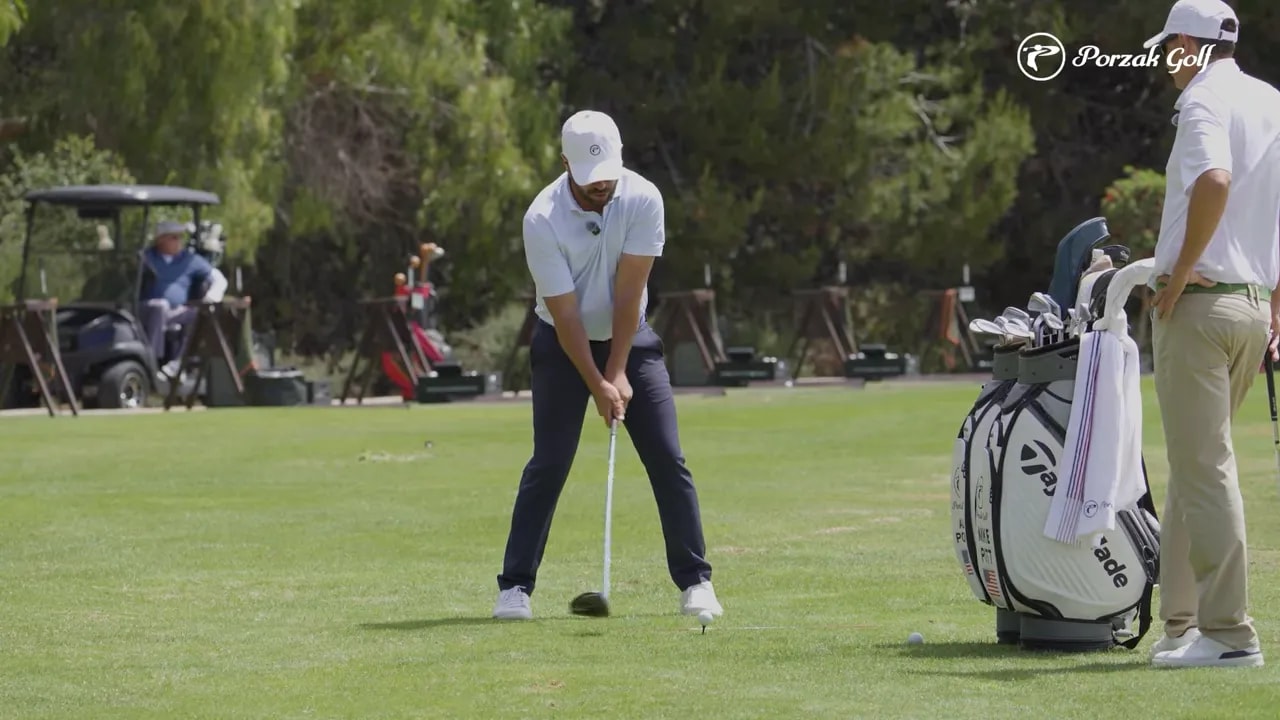
The reason the driver takeaway vs iron takeaway feels different has less to do with the wrists and more to do with address position.
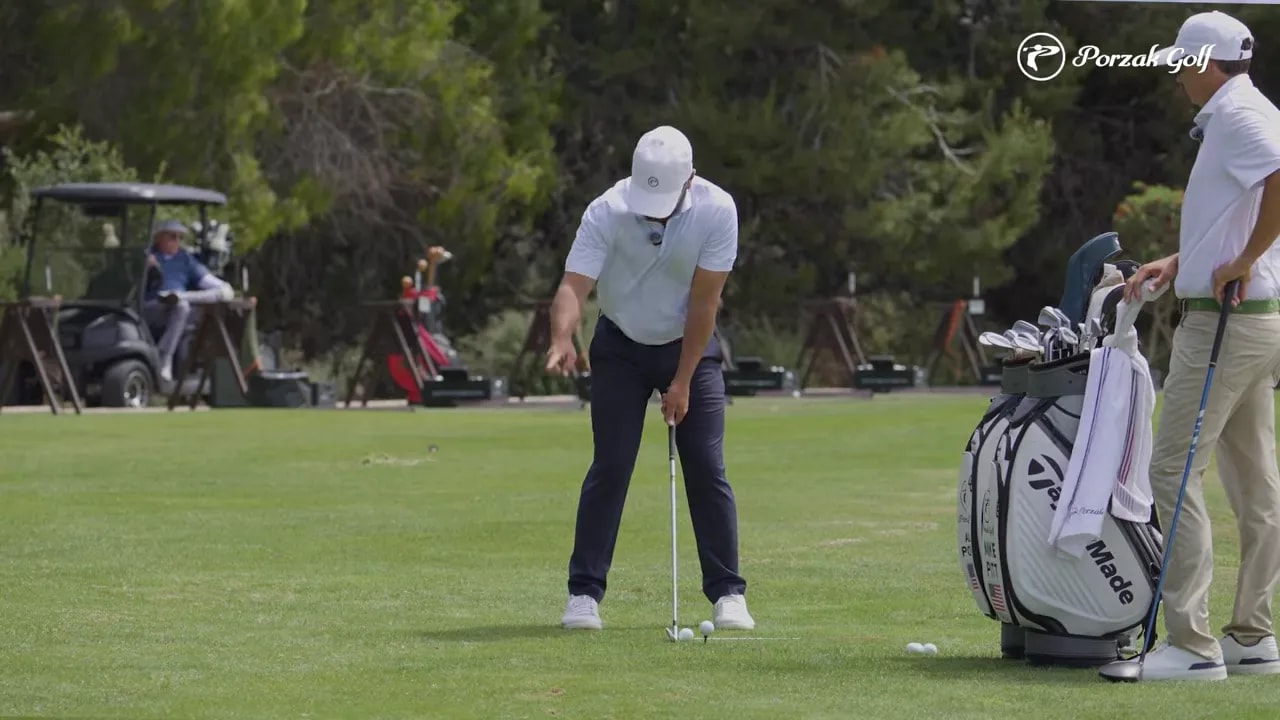
With an iron:
- Your stance is narrower
- The ball is closer to the middle of your stance, often just forward of center
- Your hands start in a position that allows the club to rise sooner
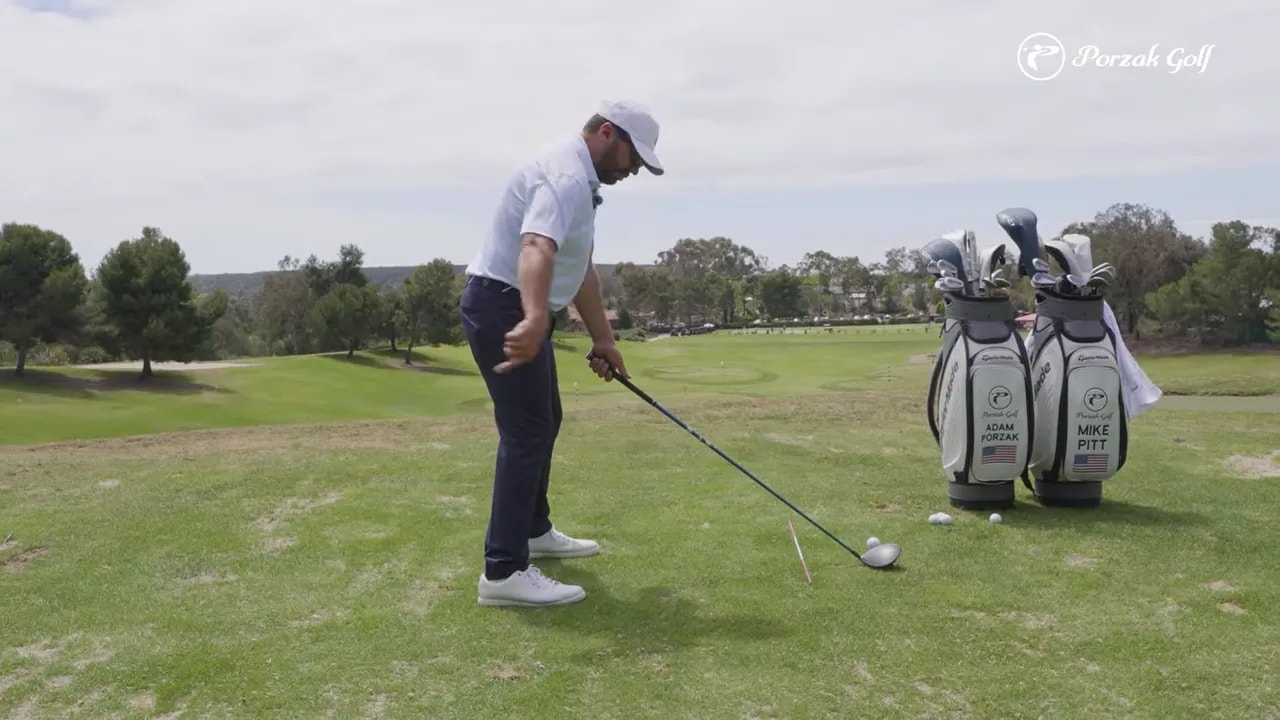
With a driver:
- Your stance is wider
- The ball is farther forward
- The club has a longer runway before it reaches the same set position
That is why a driver takeaway often feels lower, slower, and less abrupt early on. It is not because you are trying to manufacture a different swing. It is because the geometry of the setup changes the timing.
If you try to force the driver to set as quickly as an iron, you often create a steep, picked-up backswing. If you try to make an iron takeaway as long and flat as a driver, you may drag the club too far inside.
Step 4: Keep the hand path and club plane consistent across the bag
One of the simplest ways to make your swing more repeatable is to keep the hand path and club plane as consistent as possible with every club.
That does not mean every swing looks identical. It means the early structure of the backswing follows the same blueprint.
A productive model is:
- The hands work back on a neutral path
- The club sets as the body turns
- The shaft works onto plane early enough that you do not need to rescue it later
When this happens, you can rotate through the ball with less compensation. That is especially important for amateurs who struggle when the club gets too far behind them or too vertical too early.
The big goal is a swing that feels similar throughout the bag, even if impact and trajectory are not identical.
What should stay the same
- General direction of the takeaway
- Balanced body turn
- Controlled hinge
- Early organization of the club and hands
What can feel different
- How soon the club appears to rise
- How long it takes to reach the set position
- How level or downward the strike feels through impact
Step 5: Avoid the two biggest takeaway mistakes
If you struggle with contact, start here. Two early-backswing errors show up over and over again.
1. Over-hinging too early
When the wrists become too active too soon, the club can get narrow and out of position by the top. That often leads to a swing that feels disconnected or overly handsy.
Common signs include:
- The clubhead feels like it snaps upward immediately
- The backswing gets too narrow
- The club becomes difficult to sequence in transition
2. Dragging the club away
This is the opposite problem. Instead of setting the club, the golfer moves it back too low and too far inside without enough structure.
That can work for highly skilled players who add other compensations, but it usually creates trouble for the average golfer.
Common results include:
- The club gets stuck behind the body
- The swing needs late rerouting
- Contact becomes inconsistent
- Directional control gets worse
The better middle ground is a clear but controlled set. Not a snatch. Not a drag.
Step 6: Match the takeaway drill to the club in your hands
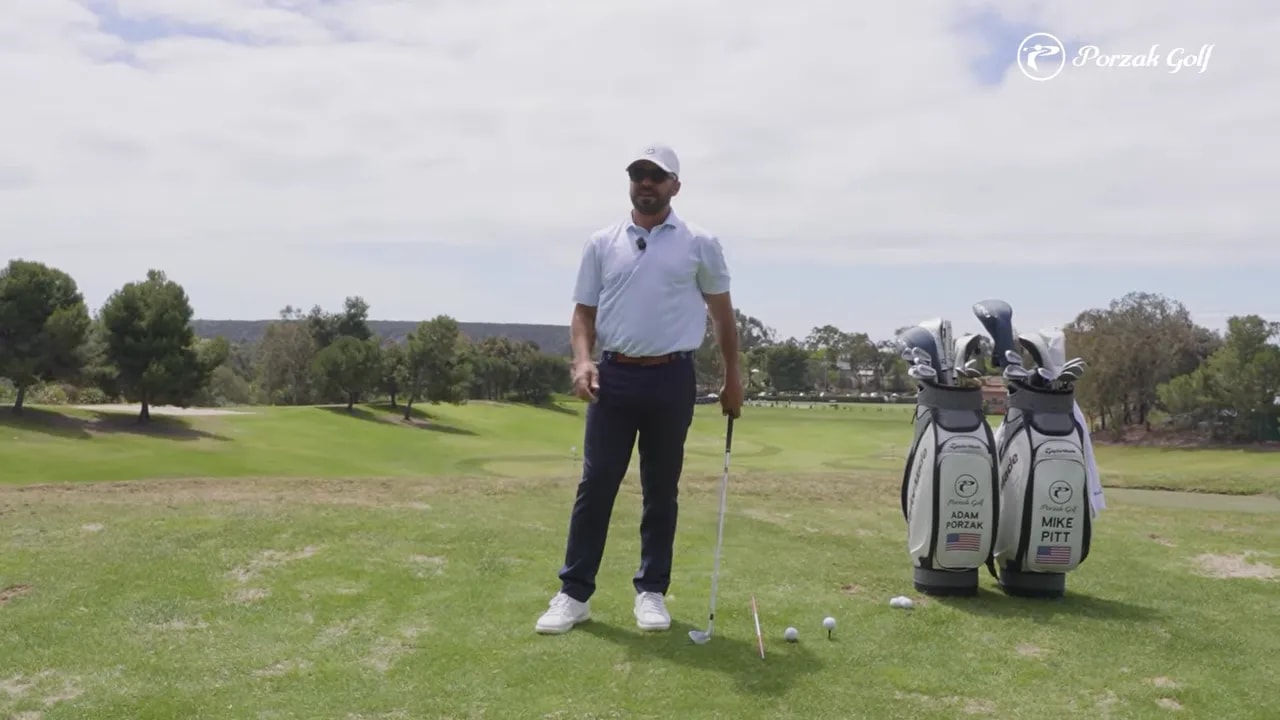
If you want a practical drill for the driver takeaway vs iron takeaway, use the same checkpoint for both clubs but notice how long it takes to get there.
The takeaway drill
- Address the ball normally with your chosen club.
- Start the club back with your body and arms working together.
- Allow the club to hinge in a controlled way as the hands rise.
- Stop when your hands reach about pocket high or just below belt high.
- Check that the club is set, not over-hinged and not dragged behind you.
Now compare the sensation with an iron and a driver.
With an iron
- The checkpoint arrives sooner
- The club may appear to ascend more quickly
- The motion can feel a little more compact
With a driver
- The checkpoint takes longer to reach
- The club stays lower a little longer
- The motion feels more gradual because of the wider stance and forward ball position
This drill helps you train the correct concept without trying to memorize dozens of mechanical positions.
Step 7: Understand why impact feels different even if the takeaway is similar
Even if the takeaway structure is similar, the strike with a driver and an iron does not feel the same.
That is normal.
Irons are typically played with a setup that encourages a more downward strike and more compression. Driver is played with a setup that encourages a more level or upward delivery.
The key point is that much of this difference comes from setup, not from trying to make a radically different swing.
- Iron setup tends to place the ball in a position where the club is still moving down at contact
- Driver setup tends to place the ball farther forward, where the club is arriving more level or slightly upward
That is why many golfers benefit from the reminder that you are often not trying to “hit up” with your hands or force “hit down” with your arms. Instead, your address conditions help shape the strike.
Step 8: Use the right feels for irons and driver without changing the whole swing
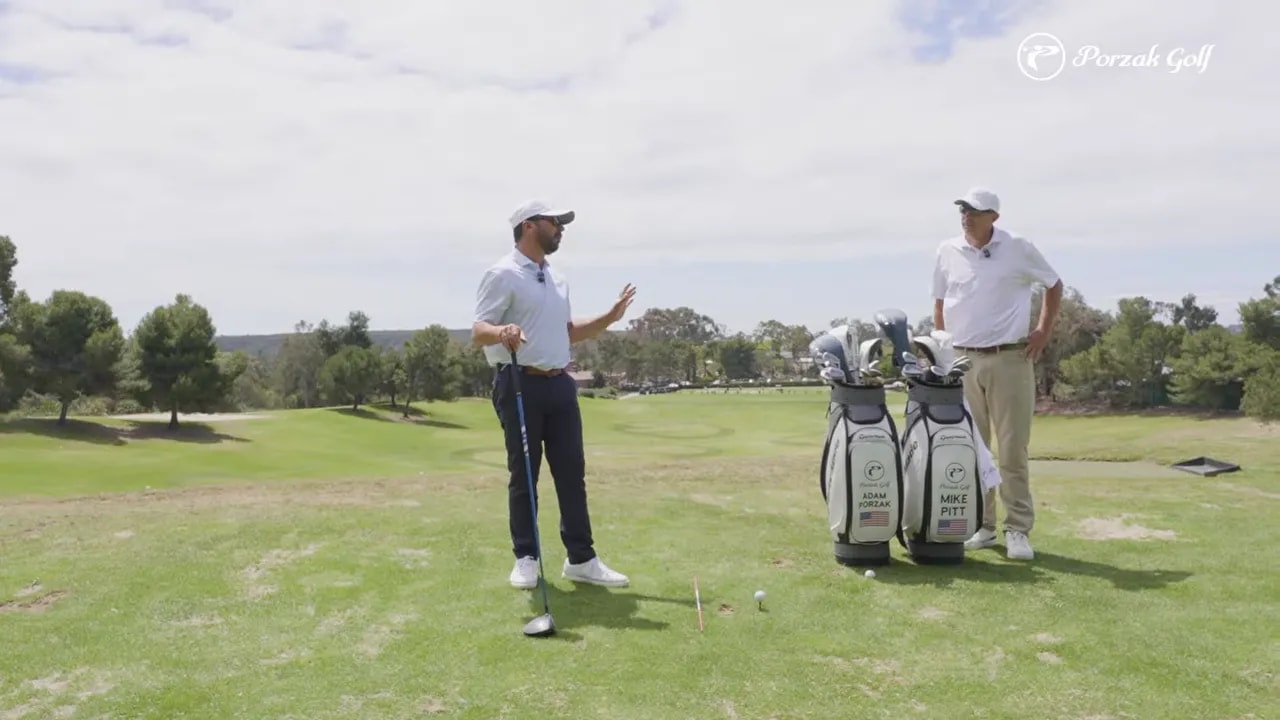
Feel and real are not always the same in golf, but useful feels can help.
Here are practical feels that fit this concept:
Helpful iron takeaway feels
- The club sets a little earlier
- The backswing feels compact and organized
- The club moves into position without needing extra hand action
Helpful driver takeaway feels
- The club starts back lower and a bit slower
- The set develops more gradually
- You stay connected rather than picking the club straight up
These are not opposite motions. They are slight variations in feel created by different clubs and setup conditions.
Step 9: Check your ball position and stance before blaming the takeaway
Many golfers think they have a backswing problem when they actually have a setup problem.
If your driver takeaway always feels awkward, check:
- Is your stance wide enough?
- Is the ball far enough forward for a driver?
- Are you trying to make the club rise too quickly?
If your iron takeaway feels too flat or stuck, check:
- Is the ball too far forward?
- Is your stance too wide for the club?
- Are you dragging the club inside instead of letting it set?
Good backswing mechanics are easier when the setup matches the club.
Step 10: Build one swing pattern, not fourteen different takeaways
A smart goal is to make the swing feel related from club to club. You do not need a totally different takeaway for every iron, fairway wood, hybrid, and driver.
You do need to understand that:
- Longer clubs create a longer runway
- Shorter clubs reach the checkpoint faster
- Impact conditions vary through the bag
- The underlying backswing structure can still remain consistent
This approach tends to make golf simpler. It also reduces the urge to tinker with too many disconnected swing thoughts.
Common mistakes golfers make with driver takeaway vs iron takeaway
- Trying to pick up the driver because it feels longer and harder to control
- Dragging the iron too far inside in an effort to make all clubs look the same
- Forcing a bigger hinge with shorter clubs instead of letting the set happen naturally
- Confusing impact differences with takeaway differences
- Ignoring setup and trying to solve everything with hand action
A simple practice checklist
Use this checklist during range sessions:
- Set up correctly for the club first
- Move the hands and club back together with the body
- Reach the same early set position with both iron and driver
- Accept that the driver takes longer to get there
- Avoid over-hinging and avoid dragging
- Focus on reducing manipulation later in the swing
If you want to rehearse it, alternate between an 8-iron and a driver. Make slow backswings to the early set position and notice how the checkpoint is the same, even though the timing is not.
FAQ
Should the driver takeaway be different from the iron takeaway?
It should feel somewhat different, but the core structure can stay the same. The main difference comes from setup. A driver has a wider stance and a more forward ball position, so it takes longer to reach the same early set position.
Why does the driver takeaway feel slower?
Because the ball is farther forward and the stance is wider. That creates a longer path before the club and hands reach the set position. The takeaway should often feel more gradual with a driver.
Do you hinge the wrists more with irons than driver?
Not necessarily more. The better way to think about it is that the same basic set can happen with both clubs, but irons reach it sooner. With driver, the hinge may feel less abrupt because the club has farther to travel.
Should the driver stay low longer in the takeaway?
For many golfers, yes. The driver often stays lower a bit longer because of the setup and club length. That does not mean dragging it dramatically inside. It means allowing the set to develop more gradually.
What is the biggest takeaway mistake with a driver?
Picking the club up too quickly is a common problem. Golfers often try to force the driver into a fast set, which can make the backswing too steep and disconnected.
What is the biggest takeaway mistake with irons?
Dragging the club away too far inside is a common issue. That can put the club behind the body early and create the need for compensation later in the swing.
Final takeaway
The best way to understand driver takeaway vs iron takeaway is to stop thinking in terms of two completely separate swings.
The early backswing checkpoint can be the same. The hand path and club plane can be built on the same pattern. What changes is how the motion feels because the club, stance width, and ball position are different.
With irons, the set develops sooner. With driver, it develops more gradually. If you can keep that distinction clear, you can build a simpler swing with less manipulation and more consistent contact throughout the bag.
0 Comments