
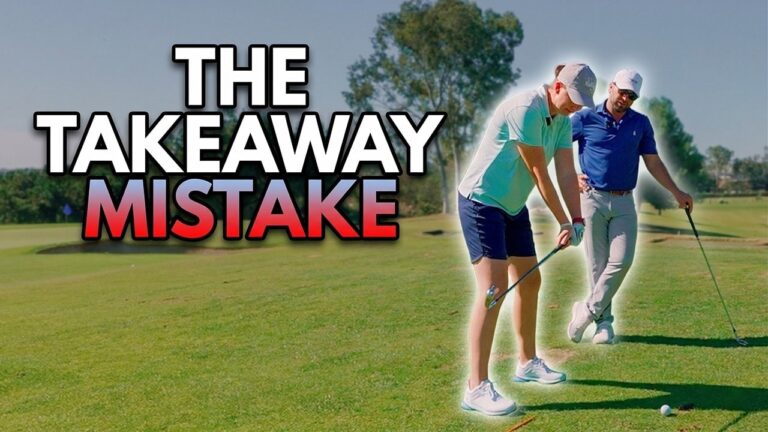

If your shots feel shorter than they should, the issue is often not “strength” or “better equipment.” It is frequently a setup-to-impact swing problem that starts earlier than you think. One takeaway error in particular can reduce efficiency, promote heavy contact or steepness, and quietly steal distance.
This guide explains the takeaway mistake that ruins your distance, how to recognize it, and what to do instead using practical checkpoint drills. The goal is simple: create a swing that reaches the impact zone with the right positions so you can deliver the club from a better path and with better leverage.
Table of Contents
- What the takeaway mistake actually does to your distance
- Step 1: Identify the takeaway pattern that leads to “make-up” swings
- Step 2: Use a visual line to train where your hands and club should go
- Step 3: Fix the takeaway by pairing “hands inside” with proper hinging
- Step 4: Rehearse the “arrive here” checkpoint to prevent steepness and chunks
- Step 5: Blend the feel with a turn that brings the swing back “down the line”
- Step 6: Compare your before-and-after ball flight and contact, not just swing positions
- Common misconceptions to avoid when fixing a distance-killing takeaway
- Pitfalls: how to practice the fix without creating new problems
- FAQ
- Next steps checklist (use this at the range)
- Summary: the fast path to more distance
What the takeaway mistake actually does to your distance
When the takeaway is off, the downswing often compensates. In practice, that can show up as:
- Heavy or “chunked” contact on irons
- Reduced carry distance even when the strike feels decent
- Steep delivery caused by the club and hands being out of sync
- Rightward misses (for example, shots that start and keep moving right)
The key idea is that if your takeaway pushes the hands and club in the wrong direction, you later have to “save it” at the bottom. That reduces your ability to hit the ball with a consistent low point, a stable face, and efficient leverage.
Step 1: Identify the takeaway pattern that leads to “make-up” swings
Most distance problems tied to the takeaway share one recognizable pattern: the club and hands do not stay in the same lines as your body rotates.
Instead, one of these tends to happen:
- Hands drift too far out while the club fails to stay correctly positioned in front
- The club goes inside relative to where it should be as you transition
- You end up late or jammed, which encourages flipping or steepening through impact
In coaching terms, this often relates to a common misconception: “To keep the club on plane, you must move it outside early.” The problem is that moving your hands out can trigger a different, unintended motion later, which can include a club path that causes heavy contact or rightward outcomes.
Step 2: Use a visual line to train where your hands and club should go
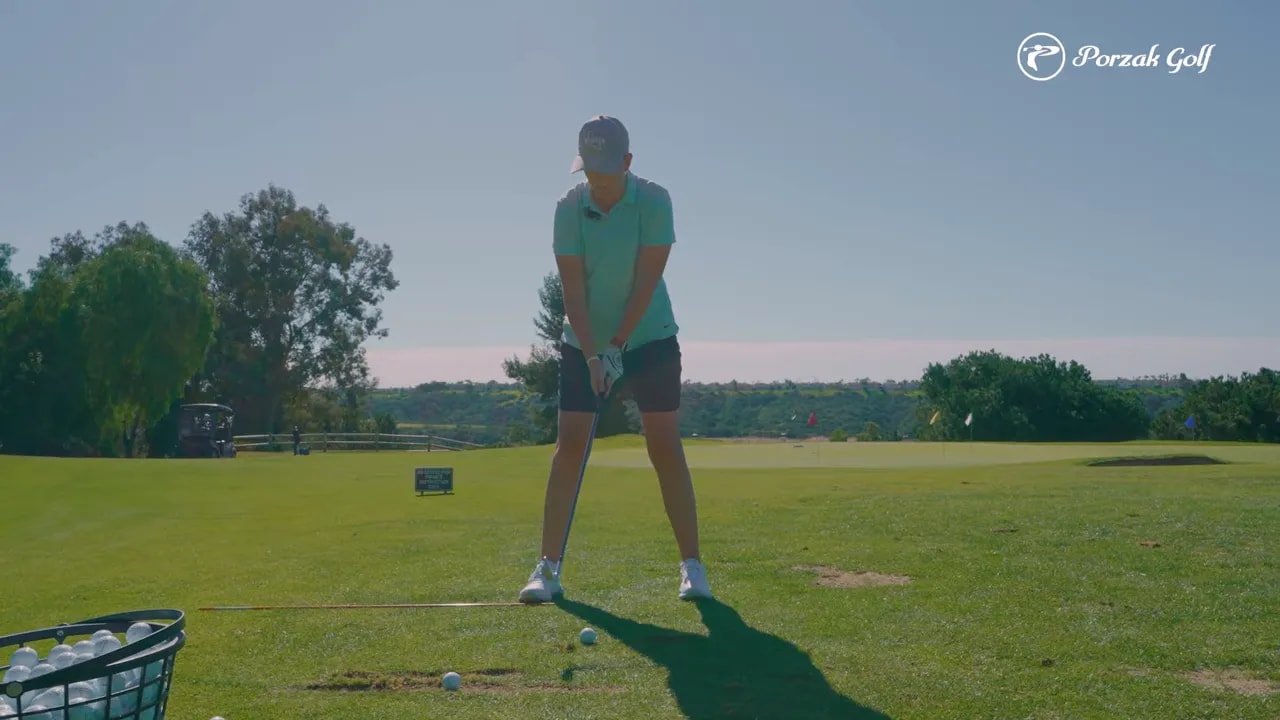
To fix the takeaway, you need more than “feel.” You need a reference you can reproduce. A simple and effective checkpoint is a line drill that limits where your hands can travel and promotes keeping the club working in front of you.
Here is a practical setup:
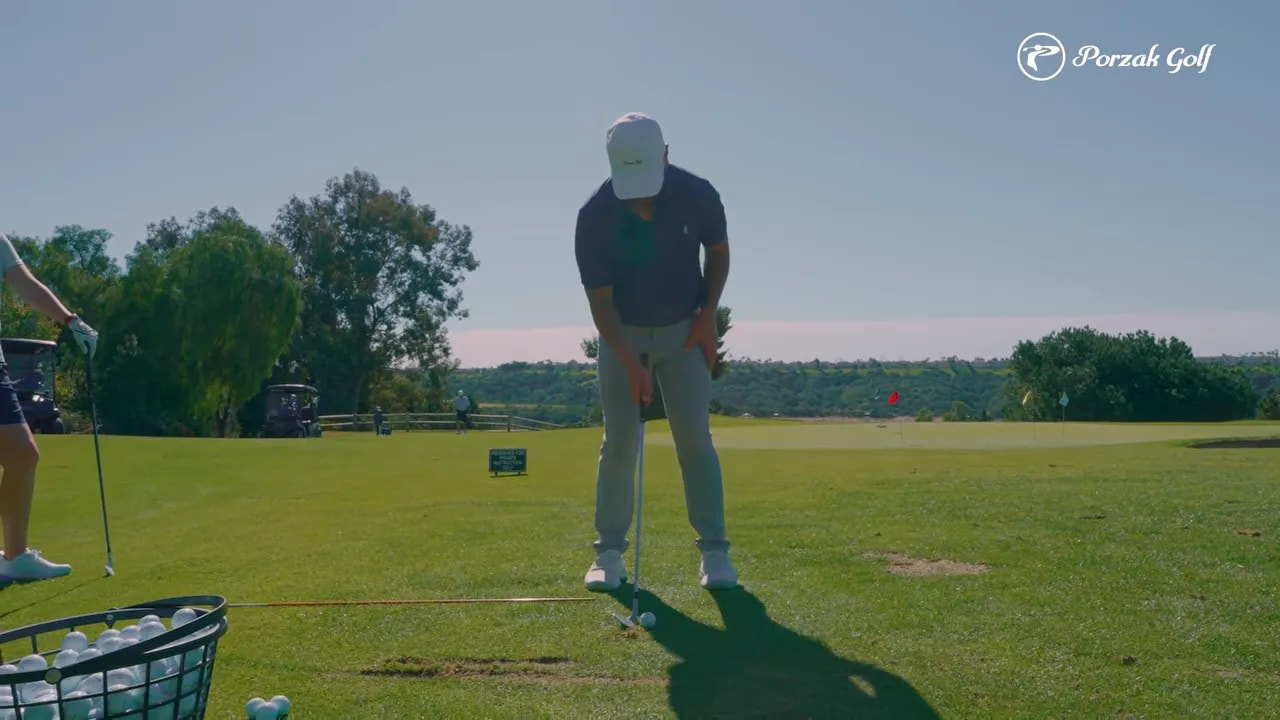
- Place an alignment stick or similar rod so it creates a clear boundary for your hands.
- During the backswing, aim to keep your hands inside that line rather than letting them veer outward.
- Also aim to keep the club staying out in front instead of allowing it to fall in.
When this is set up correctly, you can use the boundary to connect cause and effect: fewer “make up for it” moves at the bottom, more consistent contact, and better direction.
Step 3: Fix the takeaway by pairing “hands inside” with proper hinging
Distance is lost when your swing cannot maintain leverage and delivers the club too steep or too far behind the body at the wrong time. One way to address that is to focus on hinging from a consistent position.
Use this checkpoint:
- As you reach the top, you want a position where the club can hinge correctly without forcing a “bowed wrist” habit.
- Instead of trying to manufacture a bend with your wrists, allow the club and your body positioning to create the right hinge.
Coaching emphasis here is important: if you chase a specific wrist look, it often creates a new mistake. The better approach is to rehearse a repeatable spot and let the hinge happen naturally from correct geometry.
Step 4: Rehearse the “arrive here” checkpoint to prevent steepness and chunks
Takeaway problems often end as steep delivery, chunking, and inconsistent low point. To counteract that, rehearse a small sequence that forces the swing to arrive in the correct relationship.
A useful checkpoint described in coaching focuses on these elements as you move down from the top:
- Your hips help initiate forward rather than sliding back behind your ankles
- Your hands stay lower relative to your pocket instead of getting too high
- This increases the chance that the club can hinge and deliver efficiently
If your takeaway causes the hands to be too far out and too high later, this checkpoint helps you break the chain. The result you are aiming for is a better low point and more stable contact.
Step 5: Blend the feel with a turn that brings the swing back “down the line”
One reason takeaway fixes fail is that practice becomes only arm work. You need to pair the correct hand and club line with the proper body turn so the swing returns to the impact slot.
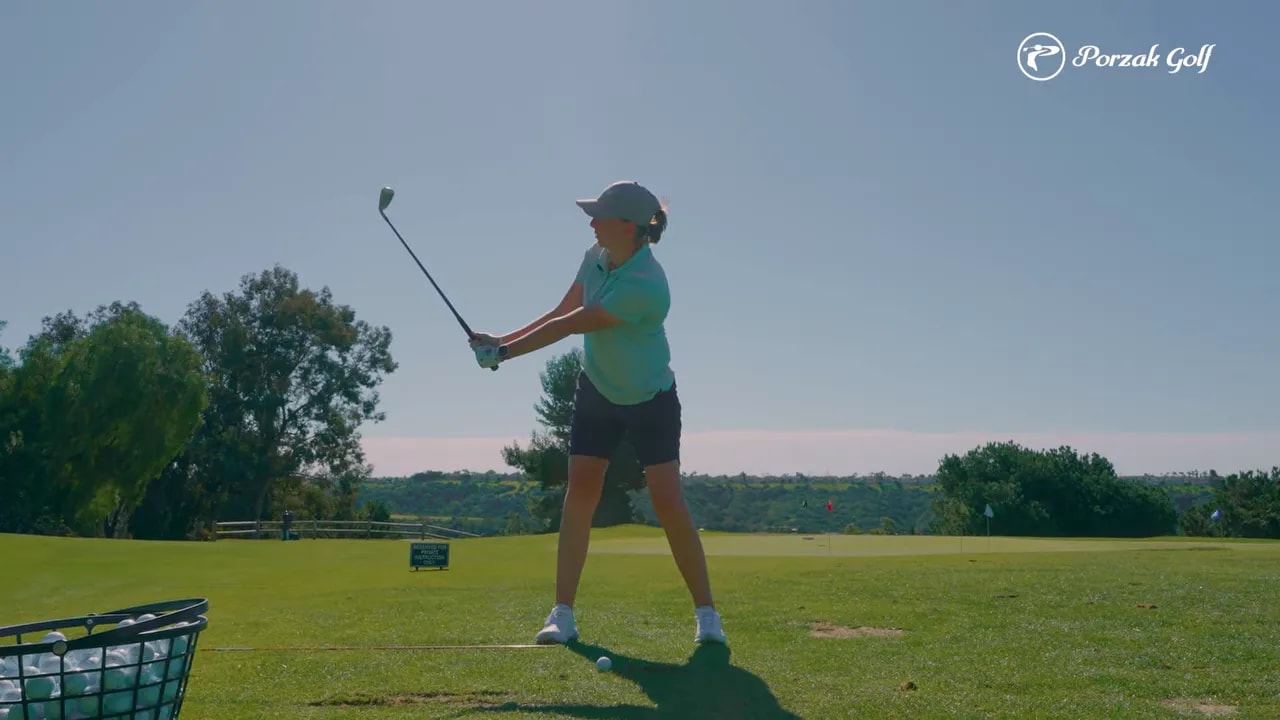
A common coaching approach is to rehearse a “neutral” reference and then include the turn. The benefit is that you learn what the correct parallel position feels like before the club moves into the full motion.
As you include the turn:
- Keep the hands and club working along the lines you trained
- Reduce the tendency to get “stuck,” late, or jammed during transition
- Maintain the feeling of the club traveling back down the target line
This matters because your takeaway sets the platform for transition. If that platform is unstable, you often lose distance by hitting from the wrong low point and relying on compensation.
Step 6: Compare your before-and-after ball flight and contact, not just swing positions
Once you train the correct takeaway line, measure outcomes that directly relate to distance:
- Carry distance on the same club from similar turf and conditions
- Divot pattern consistency on irons (less random heavy contact)
- Direction stability especially on long clubs where rightward movement can be a symptom of the same takeaway error
- Shot shape changes: better flights often come from more efficient face and path relationships
Even small improvements in contact and low point can translate into noticeable carry gains. The goal is not perfect power. It is better delivery and fewer swing “repairs” at impact.
Common misconceptions to avoid when fixing a distance-killing takeaway
Misconception 1: “I need a bowed wrist to hit farther.”
Chasing a wrist shape can turn into a different error. The better method is to train a consistent position and let the hinge happen from correct body geometry and club alignment.
Misconception 2: “If my hands go outside, that keeps the club out.”
Often the opposite happens. If hands move outside, the club can rotate or fall inward, which then increases the need for a steep or flipping delivery. The takeaway fix should focus on keeping your hands within a boundary while the club stays working in front.
Misconception 3: “Takeaway drills do not affect impact.”
They do. The hands and club relationships created in the takeaway determine your transition options. If the early lines are wrong, the downswing must compensate. That compensation is where distance tends to disappear.
Pitfalls: how to practice the fix without creating new problems
- Do not overdo the constraint. If the line drill makes you tense up or stop your turn, loosen the constraint and focus on control.
- Rehearse the checkpoint, then swing. Avoid running the drill only as a paused move. Blend the feel into the real transition.
- Track one variable at a time. Compare the same club, similar stance and ball position, and consistent swing speed.
- Use film or alignment references. If you only rely on feel, it is easy to recreate the old pattern with a different sensation.
FAQ
What takeaway mistake most commonly steals distance?
A takeaway that sends your hands too far outward and lets the club fall too far inside can force compensations at the bottom. Those compensations often lead to steep contact, inconsistent low point, and rightward misses, which together reduce carry distance.
How do I know if my takeaway is causing steepness or chunking?
If irons tend to come out heavy or you lose distance due to inconsistent impact, it is often a sign that the club and hands are not in the right relationship for efficient hinging and delivery. Practicing with a visual line that restricts hands can reveal the pattern quickly.
Do I need a specific wrist position to fix the takeaway?
Not necessarily. Instead of chasing a “bowed wrist” look, it is usually better to rehearse a repeatable checkpoint where your body positioning supports a natural hinge. Overemphasizing wrist shape can create new issues.
What drills help the most for a distance-killing takeaway?
Two categories tend to be effective: (1) line or boundary drills that keep your hands in the correct lane while the club stays in front, and (2) checkpoint rehearsals that ensure your hands stay lower and your hips initiate forward to support efficient impact.
How long should it take to see distance improvement?
It varies, but progress is usually measurable once you can repeat the takeaway line and transition checkpoint consistently. Focus on reducing heavy or random contact first, then evaluate carry and direction.
Next steps checklist (use this at the range)
- Set a boundary line so your hands stay inside it during the backswing.
- Rehearse the hinge checkpoint and avoid forcing a wrist shape.
- Include your turn so the swing returns down the line instead of becoming arm-only.
- Hit the same club and track carry, contact, and direction consistency.
- Refine one change at a time until the impact pattern stabilizes.
Summary: the fast path to more distance
The takeaway mistake that ruins your distance usually is not about lacking power. It is about hands and club starting on the wrong lines, which then forces steepness or compensation at impact. Train your takeaway using clear checkpoints, pair it with a correct turn, and measure results through carry, contact quality, and shot direction.
If your carry is down and your contact is inconsistent, start by fixing the lane for your hands during the takeaway. That early correction often unlocks the leverage and efficiency needed to get the ball up and flying.
0 Comments