


Course management is the systematic decision-making process that turns good swings into lower scores. It is about knowing when to be aggressive, when to accept a par, how to manage risk around hazards and slopes, and how to control distance and speed so you limit big numbers. This step-by-step guide gives a practical framework you can use on the course today to start saving strokes immediately.
Table of Contents
- Step 1: Pre-round planning for better course management
- Step 2: Tee strategy — place the ball where scoring is easier
- Step 3: Club selection and distance control for smarter course management
- Step 4: Approach shot strategy — use slopes, false fronts, and bounce to your advantage
- Step 5: Short game decisions — when to chip, when to putt
- Step 6: Putting strategy — two-spot focus and speed-first mindset
- Step 7: Play par 5s and long holes with a plan
- Step 8: In-round score sense — patience with urgency
- Common pitfalls in course management and how to avoid them
- Quick course-management checklist to use on the tee box
- Practical drills to train smarter course management
- How many strokes can course management realistically save?
- Final checklist: immediately implementable course-management habits
- Summary
Step 1: Pre-round planning for better course management
Before you tee off, spend five focused minutes preparing. Pre-round planning reduces guesswork and prevents costly decisions under pressure.
- Study the scorecard and a hole map — mark hazards, blind approaches, and any forced carries.
- Note key yardages — carry distances to trouble and distances to preferred landing zones for every tee.
- Check wind and pin-sheet — wind direction changes club selection; pin placement changes target choice.
- Decide safe targets — pick a bailout for each hole where the risk of attacking is greater than the reward.

Example: If a par 3 shows 105 yards downhill and the greens are firm and fast, plan a target that is slightly short of the hole so the slope will bring the ball back rather than long and in trouble.
Step 2: Tee strategy — place the ball where scoring is easier
On the tee, focus on where the next shot will be from, not on raw distance. A great tee shot is one that sets up a safe, makeable approach.
- Choose a tee target, not a gap — aim for a strip of fairway that gives the best angle to the green and avoids runouts to hazards.
- Favor the wide side — use the full width of the hole to turn difficult approach angles into manageable ones.
- Play to your misses — aim where your typical miss is least punished rather than trying to eliminate the miss entirely.
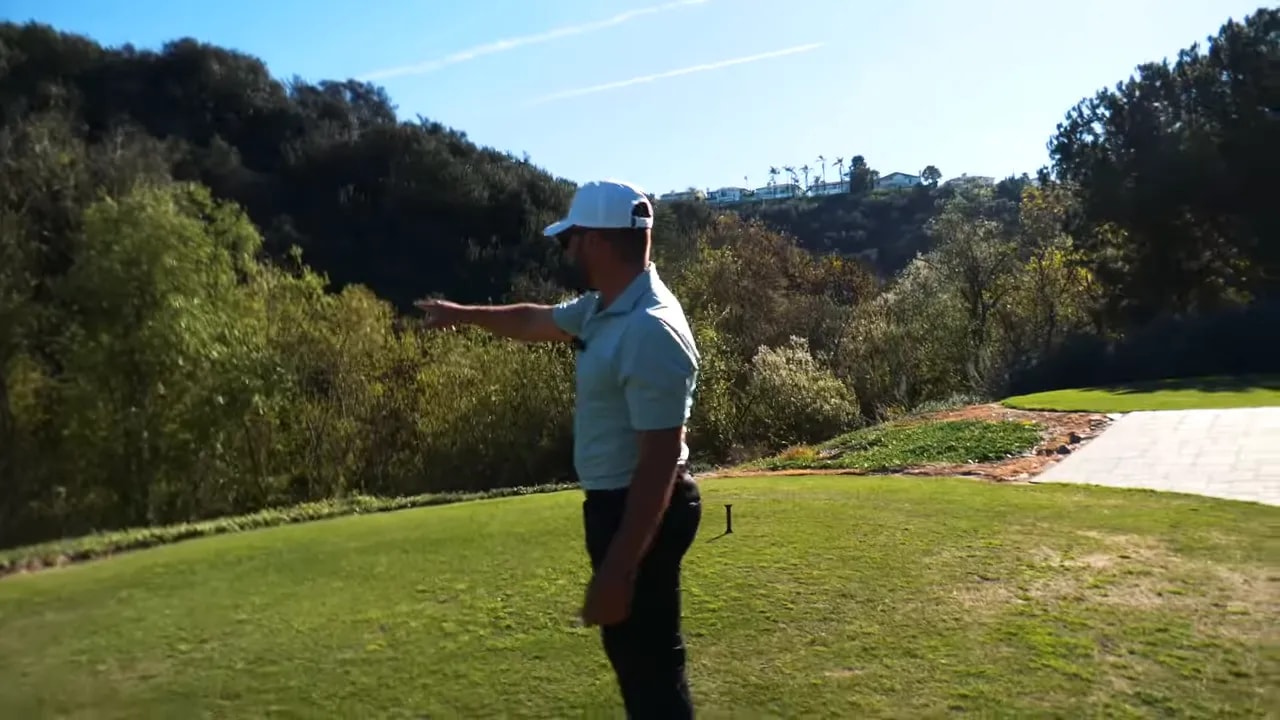
On holes with hazards long or down one side, a slightly shorter tee shot to the wider side often saves strokes compared to a driver that risks the hazard.
Step 3: Club selection and distance control for smarter course management
Accurate club selection is the backbone of course management. Play the number you can repeatedly hit into the wind, uphill, or off a bad lie.
- Use effective distance, not yardage on the card — account for wind, elevation and lie. Downhill plays shorter; uphill plays longer.
- Trim length on short shots — for a 50-degree wedge that carries 115 yards, shorten the swing to convert it into a predictable 100-yard shot when needed.
- Prefer controlled, three-quarter swings into tricky pins — a knockdown or quarter swing reduces dispersion and keeps the ball under the wind.
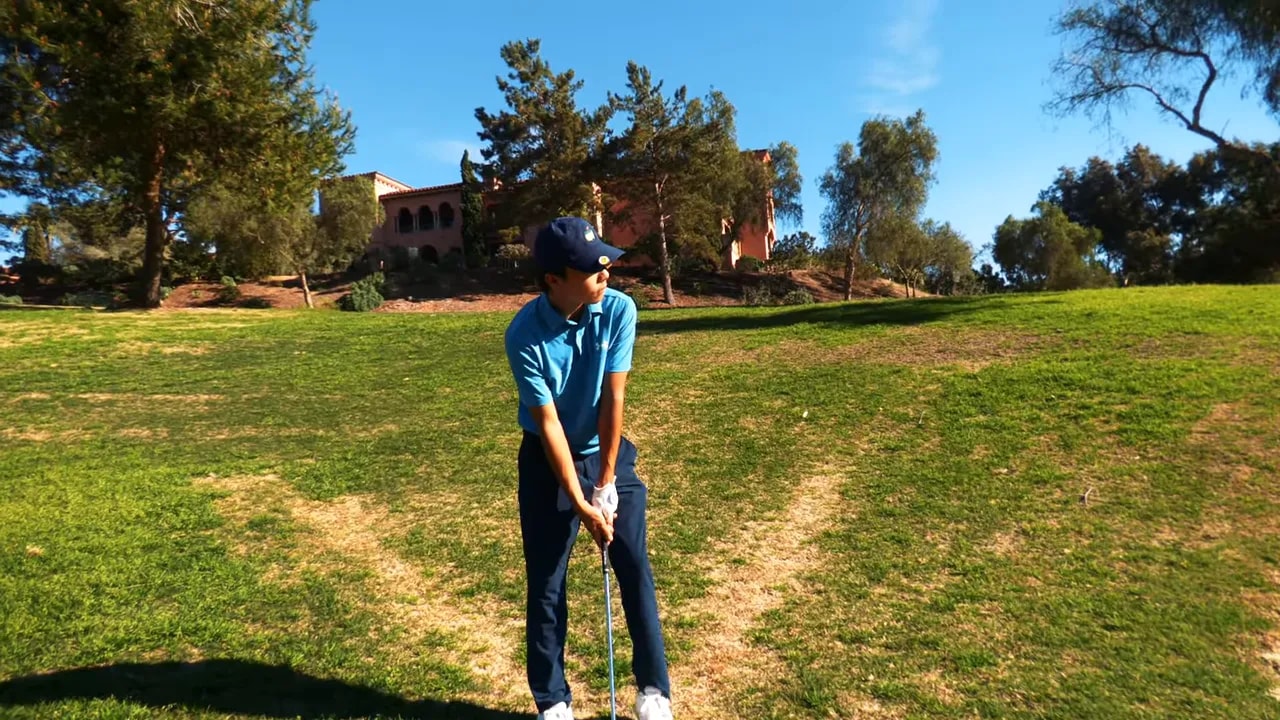
Practical tip: Create a simple yardage chart of how far you hit each club in three swing lengths: full, three-quarter, and half. Use that chart in rounds until it becomes instinctive.
Step 4: Approach shot strategy — use slopes, false fronts, and bounce to your advantage
Think like a green mechanic: slopes and spin will move the ball after landing. Use that knowledge to aim for friendly bounce zones rather than the flag every time.
- Identify backslope and false fronts — landing on the upslope usually gives a softer roll out; landing short of a false front can have the ball kick back down.
- Choose landing zones — pick an area on the green that allows the ball to feed toward the hole or hold without forcing a precise carry.
- Play percentage golf — if a green requires a narrow 100-yard shot to stop above the hole with lots of trouble behind, favor a safer spot you can hit reliably.

Example: On a green with a back-right pin and soft, fast surfaces, landing slightly short of the high shelf creates a one-hop release toward the hole. Trying to fly it directly into the back can result in spin-back and a much longer putt.
Step 5: Short game decisions — when to chip, when to putt
Saving strokes around the green comes from choosing the right tool. The decision to chip or putt should be based on lie, slope, and the margin for error.
- Assess the lie — grainy, soggy, or uneven lies often favor putting if the distance is manageable because contact is more consistent.
- Consider the slope — if the fringe will move the ball predictably and the putt is mostly a speed play, favor the putt.
- Plan the speed first — on bump-and-run or long chip, decide how fast you want the ball to arrive and select a club that delivers that speed reliably.
- Grip and stance for long chips — choke down, narrow your stance, and keep weight forward for punchy, controlled contact.

Rule of thumb: When the difference between a poor putt and a poor chip is smaller than the difference between a poor chip and a great chip, putt. In uncertain lies, the safer stroke often yields better up-and-down percentages.
Step 6: Putting strategy — two-spot focus and speed-first mindset
Putting decisions revolve around line and speed. A simple method eliminates confusion and reduces three-putts.
- Pick two target spots — one short target that sets the face for the line and one farther spot or the hole that sets speed.
- Always prioritize speed — leaving it short or long changes the comeback putt. It is usually better to be a foot past than three feet short on medium to long lag putts.
- Read from the low side — when possible, walk below the ball to see the break; looking up to the hole from low ground improves accuracy.
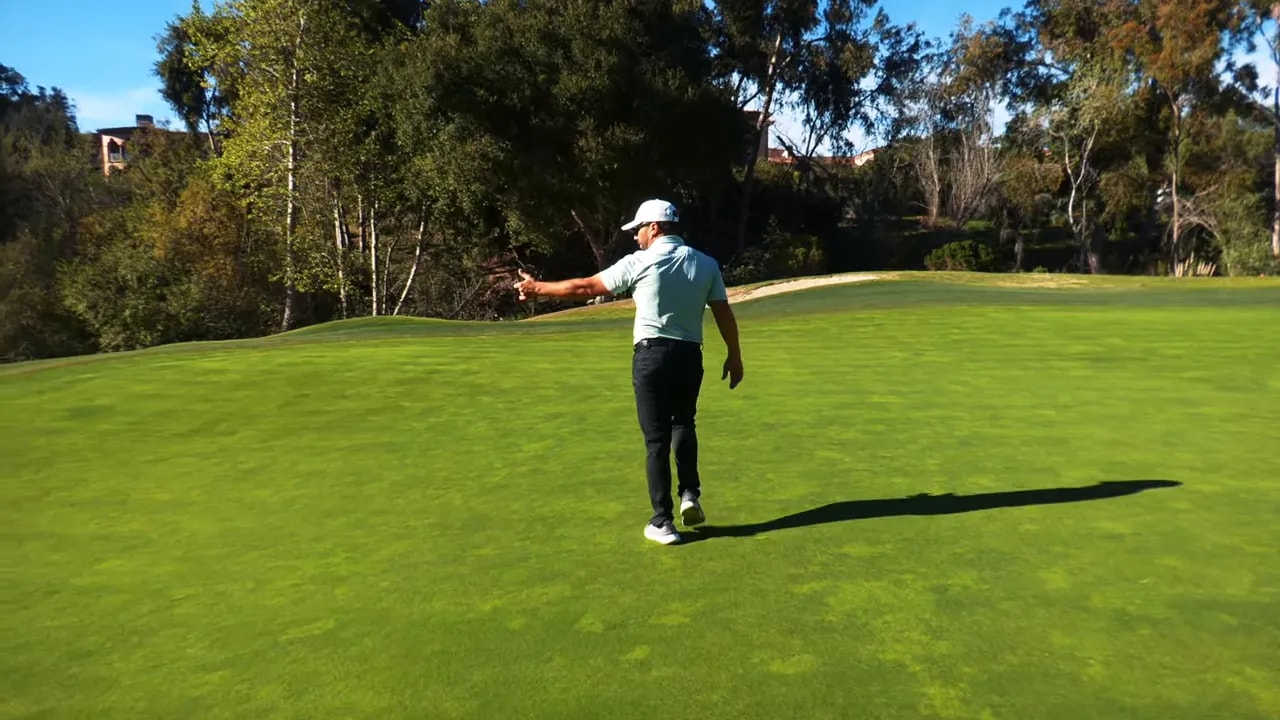
Practical drill: On the practice green hit 10 lags from 30 to 40 feet where the target is to leave inside 3 feet. Track how often you succeed. This trains the speed-first mentality that reduces three-putts.
Step 7: Play par 5s and long holes with a plan
Par 5s are scoring opportunities, but reckless play can turn them into disaster holes. Plan where you want your ball after each shot, not just how far you can hit it.
- First shot: position over distance — a drive that leaves a comfortable angle to the green is better than a longer drive that brings hazards into play.
- Second shot: set up the math — if reaching in two requires crossing hazards or a precise approach, consider laying up to a preferred wedge distance.
- Know your wedge stops — decide on a wedge yardage you can hit consistently to the front, middle, or back of the green depending on pin location.
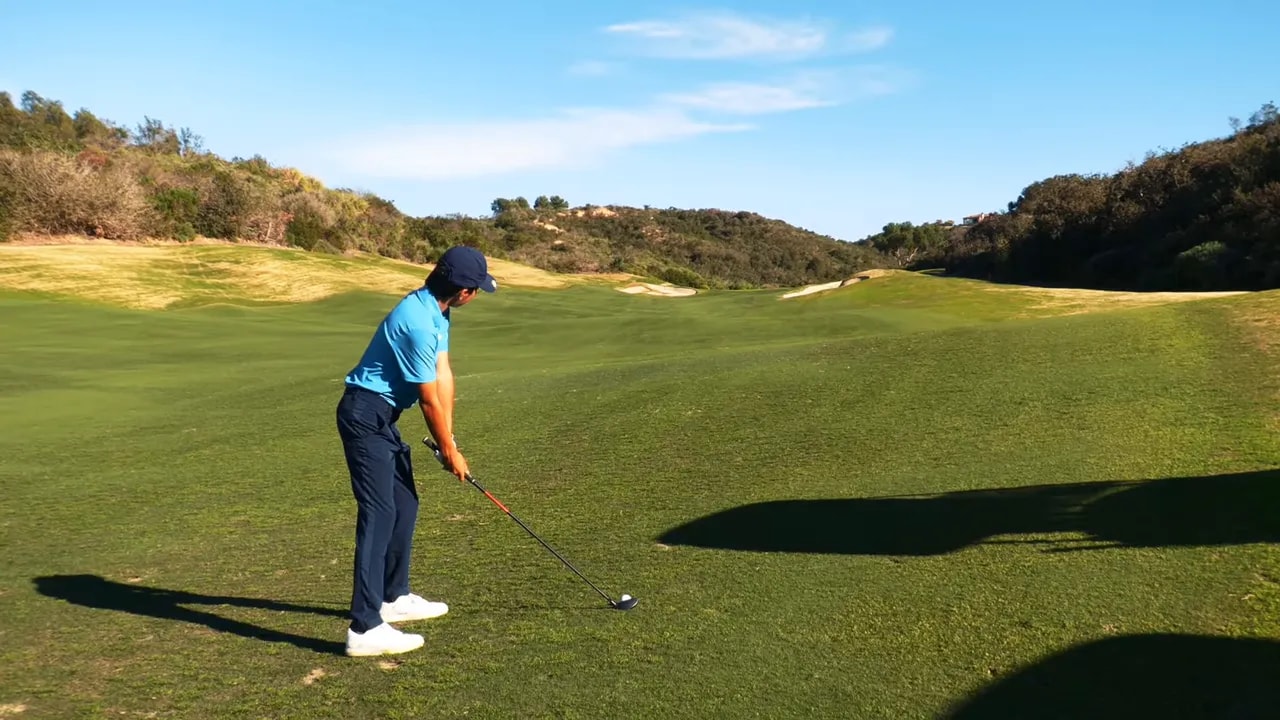
Example: If a second shot faces a narrow green guarded by bunkers, a controlled laying-up area that yields an uphill wedge into the center is often better than trying to carry the bunkers and risk a long bunker shot.
Step 8: In-round score sense — patience with urgency
Good course management blends patience with situational urgency. Know where you are in the round and what shots are worth risking.
- Track momentum but avoid hero shots — saving a stroke by playing smart is often more valuable than gambling for a birdie that could produce a double.
- Accept the par — some holes are meant to be pars. Successfully avoiding bogeys across a stretch is equivalent to making an extra birdie elsewhere.
- Adjust strategy for the group and conditions — if the course is playing long due to wind, add club; if greens are soft, be comfortable being more aggressive into pins that will hold.

Mindset cue: Treat par as a good score on tough holes and a solid foundation for scoring on easier holes. This reduces swing-for-swing impatience and keeps you out of high-score trouble.
Common pitfalls in course management and how to avoid them
- Over-targeting flags — always weigh the cost of missing. If missing left is safe but missing right is a penalty, aim left.
- Ignoring conditions — wind, firmness, and temperature change carry and roll. Re-calculate and trust a reduced or increased number.
- Inaccurate yardages — do not guess. Use a reliable rangefinder or course GPS and know the margin of error of each device.
- Bad habit: swinging full when control is needed — a full swing into a tricky pin often increases dispersion; learn controlled partial swings for precise yardages.
- Failing to pick bailouts — every hole should have a pre-determined safe spot that avoids the worst trouble.
Quick course-management checklist to use on the tee box
- Confirm yardage to preferred landing zone and trouble.
- Choose a target area, not a specific flag.
- Select club based on effective distance (wind, slope, lie).
- Decide on the acceptable miss and aim accordingly.
- Visualize recovery options if the shot goes sideways.
Practical drills to train smarter course management
- Club control chart — on the range, hit 10 balls at 100, 110, and 120 yards with each wedge and record dispersion. Use those numbers on the course.
- Short-game decision drill — place balls around the practice green with varying lies; decide and execute chip or putt based on a 10-second assessment clock.
- Simulated round — play nine holes with the rule that you cannot attempt a recovery shot that has less than a 30% success rate; practice laying up and managing risk.
How many strokes can course management realistically save?
Most amateur players can save 3 to 6 strokes by improving course management alone. The gains come from avoiding big numbers, reducing three-putts, and turning errant shots into recoverable positions. Gains vary by skill level and how consistently the player applies strategic thinking.
Is course management different for low and high handicappers?
The principles are the same, but the specifics differ. Low handicappers can attack tighter pins because their dispersion is smaller. Higher handicappers should prioritize wide targets, safer club choices, and conservative approaches that reduce penalty risk.
When should I play aggressively versus conservatively?
Play aggressively when the reward significantly outweighs the penalty and when you can repeatedly execute the required shot. Play conservatively when the penalty for a miss is severe or when conditions (wind, lie) make the aggressive option unreliable.
How do greens being soft or fast change decisions?
Soft greens accept shots and stop quicker, which invites attacking pins. Fast greens increase the penalty for being long or missing short on slopes; prioritize speed control and landing zones that allow the ball to feed toward the hole.
Final checklist: immediately implementable course-management habits
- Always know the worst-case miss for any target and avoid making it the most likely option.
- Use a two-spot putting routine for better consistency on line and speed.
- Carry a simple yardage card with your clubs and preferred partial swings.
- Practice controlled partial swings until you have repeatable distances for 3/4 and 1/2 swings.
- Make conservative decisions early in the round to build confidence and avoid big early numbers.
Summary
Course management is the most underused weapon in lowering scores. It requires only a little extra thought before each shot and some practice on distance control, putting speed, and short-game choices. Start by planning each hole around safe targets and repeatable numbers. Over time, that discipline removes big mistakes, increases up-and-down percentages, and often produces multiple strokes of improvement in a single round.

Follow the step-by-step framework above and apply one or two concepts each round. Course management compounds fast — make the strategic decision as routine as your pre-shot. The result will be fewer big numbers, more comfortable pars, and real, measurable stroke savings.
0 Comments