
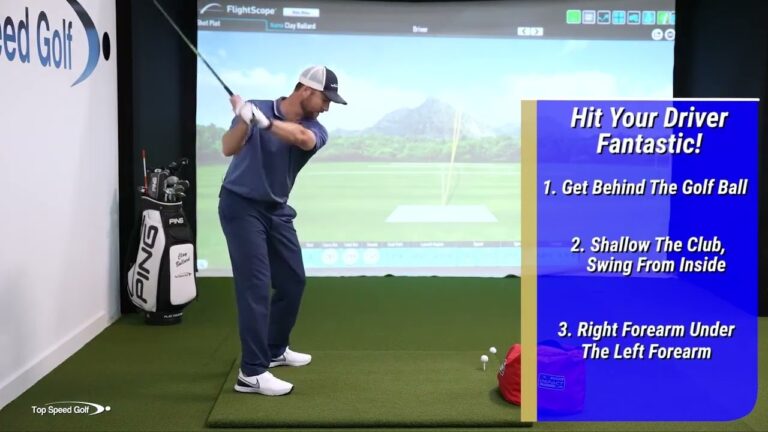

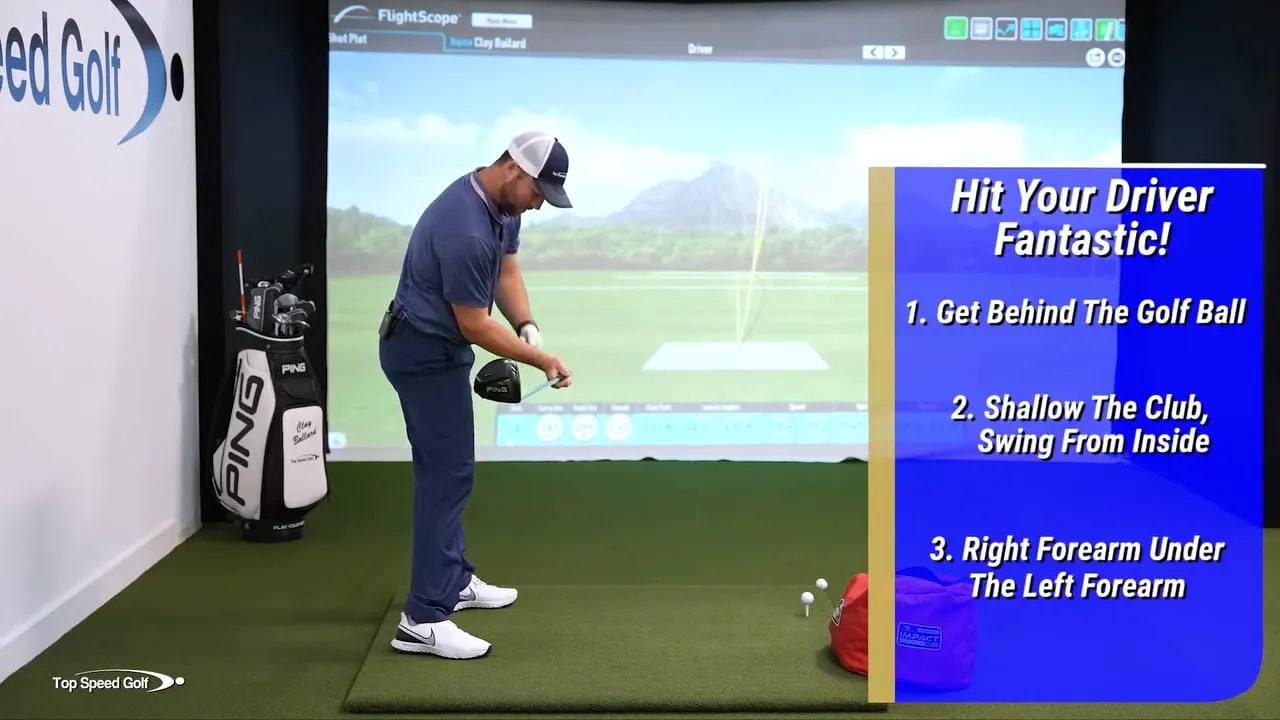
 Is your golf swing inconsistent? Achieve a more powerful and accurate swing by mastering the right forearm position during your downswing transition. Learn how to sequence your arms better, create space for lag, and avoid the dreaded over-the-top move!
Why Forearm Position Matters in Golf
Your downswing goal is not merely to rotate forcefully, but to skillfully organize your arms and hands. This organization allows the club to shallow and impact with precision. An improper position often results in:
- Loss of lag: when arms are forced instead of loaded.
- Thinner contact: caused by premature club release.
- Direction issues: such as fades or pulls.
- Inconsistent swings: due to a lack of coordination between arms and body.
Step-by-Step Guide to Perfect Your Forearm Position
Step 1: Learn the “Last Parallel” Checkpoint
The “last parallel” during downswing is when the club is parallel to the ground. Aim to feel your arms in an organized, stable position.
At-Home Drill
- Start with normal setup.
- Transition smoothly, pause when shaft is parallel.
- Ensure the right forearm is underneath the left.
Step 2: Confirm with the “Club Gap” Test
This test verifies the proper right-forearm-under-left position. Have a partner pass a club shaft between your forearms at last parallel. If done correctly, the club should fit comfortably.
Step 3: Build Motion with Pause and Swing Drill
Practicing the motion before testing at full speed yields better results. Here’s how:
- Address the ball as usual.
- Perform a slow backswing, maintain rhythm.
- Pause as you reach last parallel.
- Resume swing, focusing on forearm position.
What to Focus On:
- Keep the club connected rather than dragging it from the top.
- Allow rotation to organize arms.
Step 4: Correct “Over-the-Top” Habits
Many golfers struggle with steep arms or late rotation. Adopt these steps:
- Lead with lower body, not hands.
- Guide the club down with body movement.
- Keep right forearm under the left as you near last parallel.
- Maintain rotation through impact.
Step 5: Validate with Camera Feedback
Instead of chasing angles, link your camera view to physical checkpoints. Ensure your camera captures the last parallel and verifies:
- Position: Right forearm under the left.
- Shape: Club dropping instead of crossing.
Avoid Common Mistakes
- Do not force arm position with hands.
- Avoid testing full-speed without building muscle memory first.
- Always return to the last parallel for a repeatable reference.
- Do not neglect body rotation.
- Avoid overcorrecting your swing path.
10-Minute Practice Plan
Incorporate this practice to ingrain the motion:
- 2 mins: Dry swings in front of a mirror or camera.
- 3 mins: Pause drill at 30-60% power.
- 3 mins: Repeat the drill with actual ball strikes.
- 2 mins: Full swing focus on right forearm position.
FAQ about Right Forearm Position in Golf
How Can This Cue Benefit My Swing?
It addresses common swing faults by promoting proper arm organization.
What If I Can’t Pass the “Club Gap” Test?
Slow your pace; use drills to promote correct sequencing.
Is This Position Needed Throughout the Downswing?
Focus on forearm organization near the last parallel for optimal lag and path.
Can This Enhance My Power?
Yes, better lag management typically leads to enhanced speed and impact.
How Quickly Will I See Improvement?
While initial changes may occur quickly, consistent results often take weeks of dedicated practice.
Conclusion
Integrating the right forearm-under-left checkpoint can revolutionize your golf downswing. It combats steep delivery, organizes arm movement, and promotes optimal lag. Start incorporating the pause-and-go drill today to master this technique before advancing to full swings.
0 Comments