

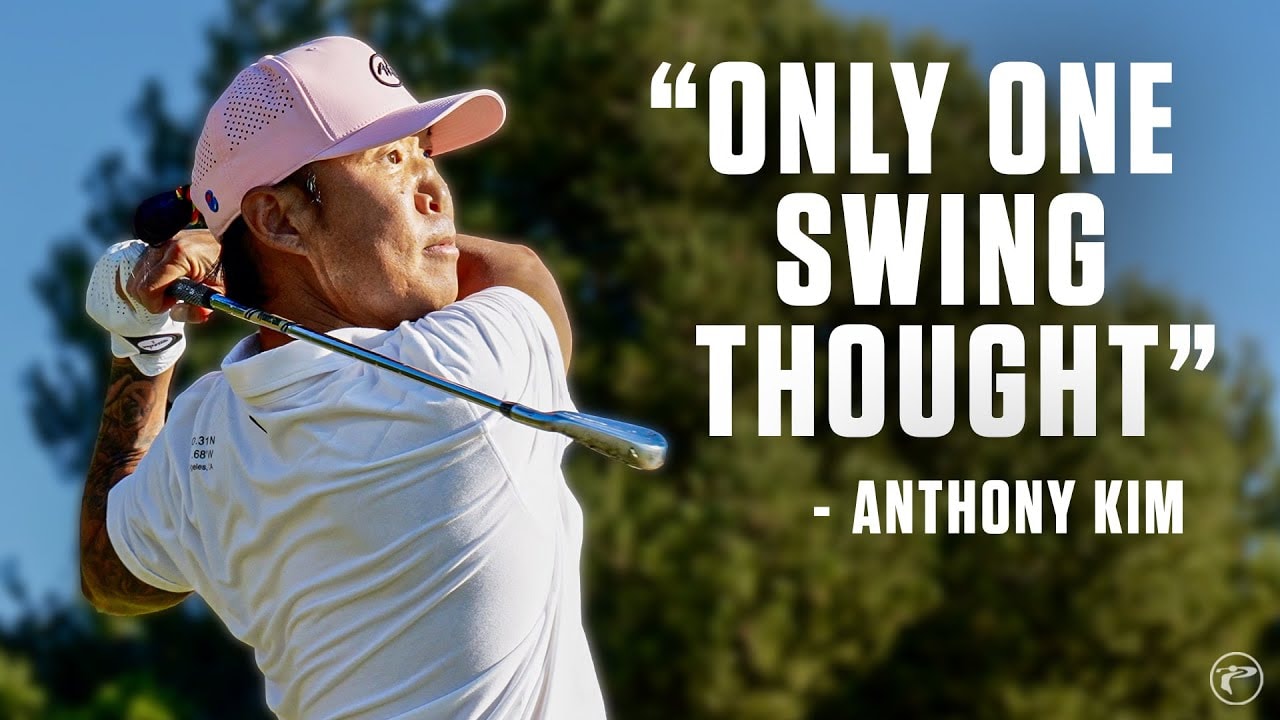
 Transform Your Game with the Anthony Kim Swing Setup
Unlock the secrets to a compact, powerful, and repeatable swing with the Anthony Kim swing setup. This guide walks you through a step-by-step approach to streamline your practice and enhance performance, whether on casual rounds or under tournament pressure. Discover how a setup-first approach reduces errors and builds a foundation for consistent success.
Table of Contents
- Why the Anthony Kim Swing Setup is Essential
- Step 1: Aim the Club Before Standing Behind the Ball
- Step 2: Grip Fundamentals for Control and Power
- Step 3: Create an Athletic Stance for Stability
- Step 4: Focus on Completing the Turn
- Step 5: Let the Turn Dictate Impact
- Step 6: Establish a Consistent Pre-Shot Routine
- Step 7: Practice Plan for Maximum Improvement
- Step 8: Strategy for Controlled Shot Shapes
- When to Incorporate Technology in Practice
- Avoid Common Mistakes
- Drills and Exercises for Mastery
- In-Round Checklist for Success
- Frequently Asked Questions
- Summary and Final Takeaway
Why the Anthony Kim Swing Setup is Essential
A reliable setup forms the backbone of consistent ball striking, encompassing club aim, grip, stance, and alignment. Invest time in perfecting your setup to minimize swing thoughts and foster a straightforward, effective motion.
Step 1: Aim the Club Before Standing Behind the Ball
Objective: Align the clubface with your intended target line before setting your stance.
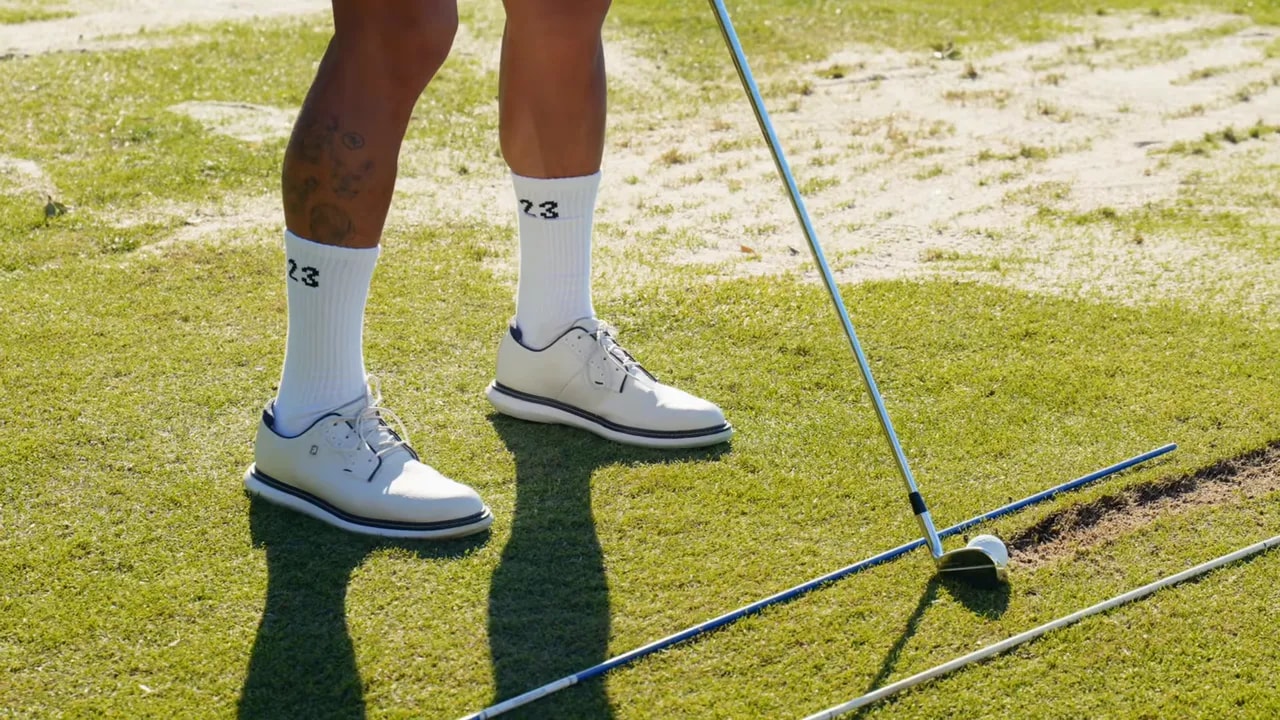
- Practice: Use alignment aids to ensure proper clubface alignment before taking your stance.
- Quick Tip: Aim the clubface first, then align your grip and feet.

Step 2: Grip Fundamentals for Control and Power
Objective: Establish a grip that allows for natural swing mechanics and reliable clubface behavior.
- Ensure the Vs formed by your grip point between your chin and right shoulder.
- Both hands should work in harmony to support effective swing mechanics.
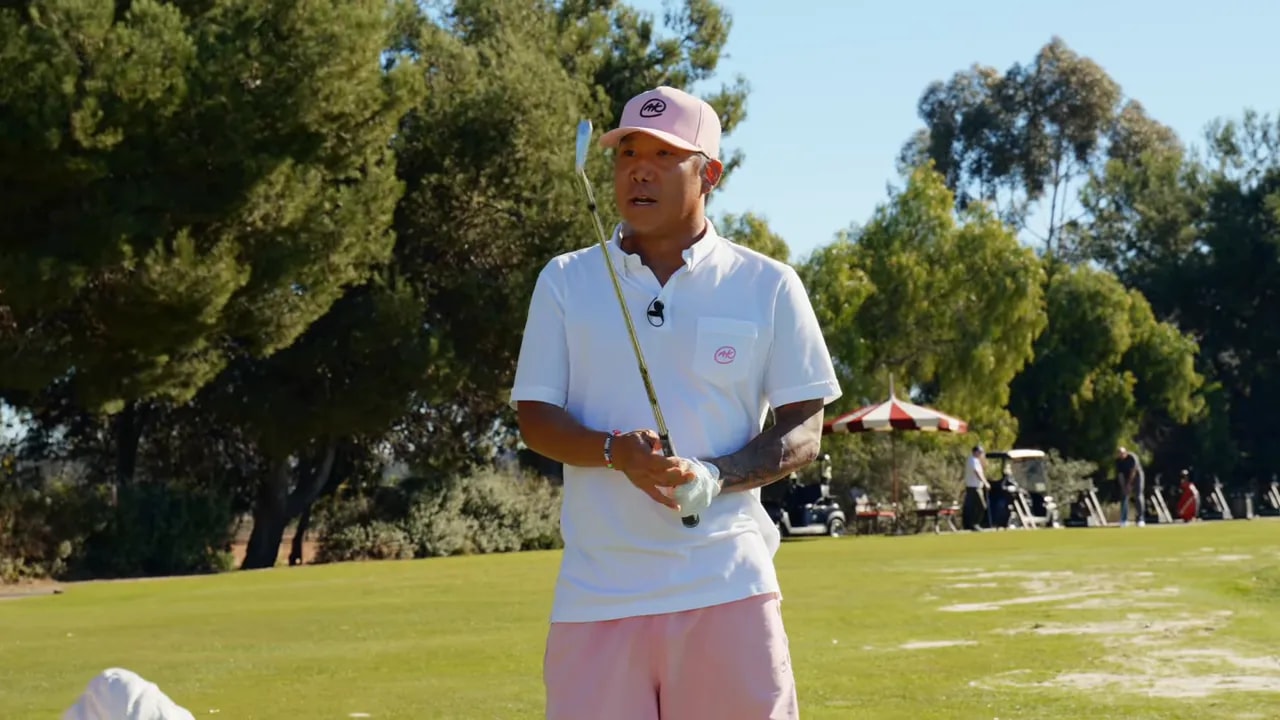
Step 3: Create an Athletic Stance for Stability
Objective: Develop a stance that supports balance and efficient body rotation.
- Position feet shoulder-width apart, adjusting slightly for different shots.
- Maintain a slight spine tilt for optimal balance.
Step 4: Focus on Completing the Turn
Objective: Emphasize a full body turn to eliminate unnecessary swing thoughts and streamline mechanics.
- Prioritize shoulder and hip rotation rather than arm mechanics.
Step 5: Let the Turn Dictate Impact
Objective: Ensure that body rotation, not independent hand manipulation, creates solid contact.
- At impact, let the natural rotation guide your swing for consistent contact.
Step 6: Establish a Consistent Pre-Shot Routine
Objective: Formulate a steady routine to reduce anxiety and maintain focus under pressure.
- Select target and align clubface.
- Set your stance and grip.
- Visualize the shot and commit confidently.
Step 7: Practice Plan for Maximum Improvement
Objective: Tailor your practice schedule to transition from technique refinement to competitive play readiness.
- Focus on fundamentals several weeks out from an event, transitioning to simulation as the event nears.
Step 8: Strategy for Controlled Shot Shapes
Objective: Hone a dependable shot shape to consistently manage course challenges.
- Commit to a safety shape that allows safe navigation of the course.
Incorporating Technology for Optimal Performance
Integrate tools like launch monitors only once your swing mechanics are consistent to refine performance and verify improvements.
Avoid Common Mistakes
Identify and eliminate common errors by tracing them back to the source, such as setup and grip, rather than symptoms.
Drills and Exercises for Mastery
Alignment Drill
- Place an alignment aid on your target line.
- Point the club at the aid and set your stance.
In-Round Checklist for Success
- Aim club and align stance.
- Maintain a steady grip and focus on balance.
- Keep a simple, efficient routine.
Frequently Asked Questions
What is the single best swing thought to use?
Should I choke down on the club?
How far before a tournament should I stop working on technique?
Summary and Final Takeaway
Utilize a setup-first approach with the Anthony Kim swing: focus on accurate club aim, develop a repeatable pre-shot routine, and practice transitioning from technique to performance phases. With consistent practice, these skills enhance reliability and success on the course.
0 Comments