
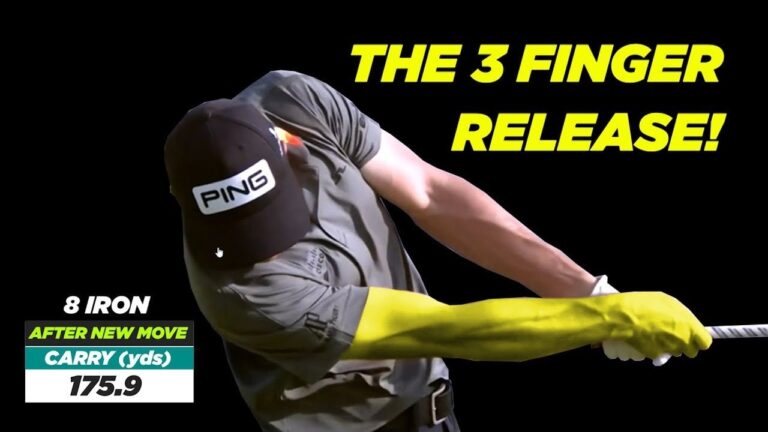

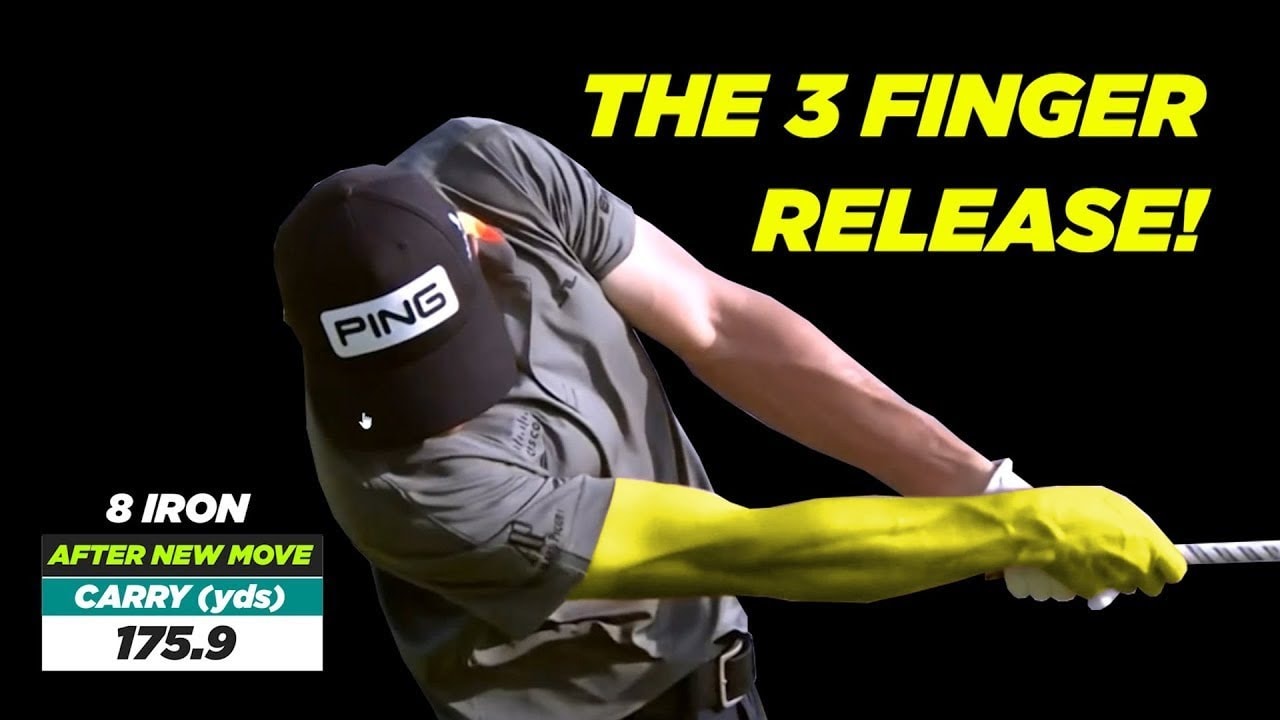
 Unlock Your Golf Potential with Pro-Level Wrist Movements!
Your hands and wrists control more of your ball striking than most golfers realize. To achieve cleaner contact, more compression, consistent distance, and fewer fat and thin shots, the way your hands move through impact is crucial. Understanding the wrist positions of the world’s best players and training your body to replicate these movements can transform your golf game.
Table of Contents
- Step 1: See the Wrist Positions That Separate Pros from Amateurs
- Step 2: Understand Shaft Lean and Why 12 Degrees Matters
- Step 3: Train the Whip Release with the Three-Ball Drill
- Step 4: Front-End Therapy — Move the Hands So the Body Follows
- Step 5: The Magnet Move — Use Shaft Lean to Control Face Angle and Shot Shape
- Step 6: Progressive Practice Plan for Range and Course
- Common Errors and How to Fix Them
- Putting it All Together: A Compact Summary
- Frequently Asked Questions
- Final Practice Checklist
Step 1: See the Wrist Positions That Separate Pros from Amateurs
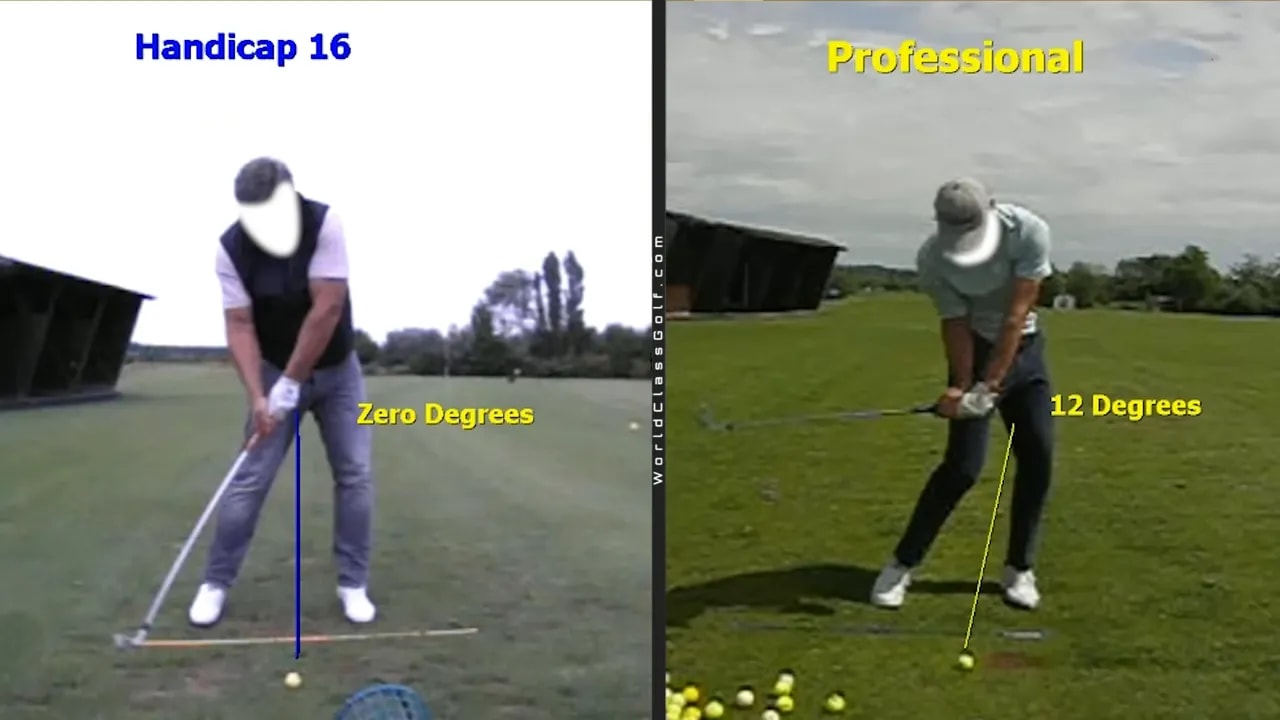
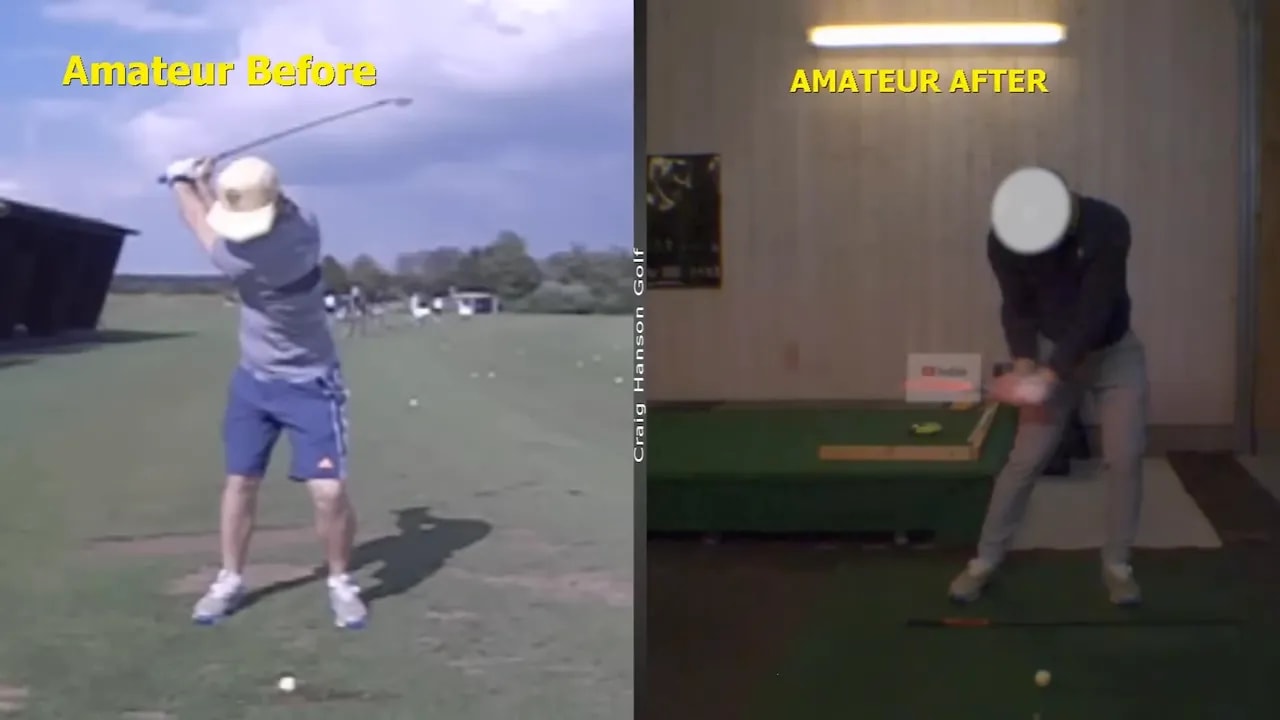
The most revealing difference between amateurs and professionals lies in wrist angles at impact. Pros create significant shaft lean, maintain sharp trail wrist angles before impact, and allow the club head to release past the body in a compact motion. By contrast, amateurs often hang onto the angle, rotate the left hand incorrectly, or “flip” the club early, leading to inconsistent contact.
Step 2: Understand Shaft Lean and Why 12 Degrees Matters
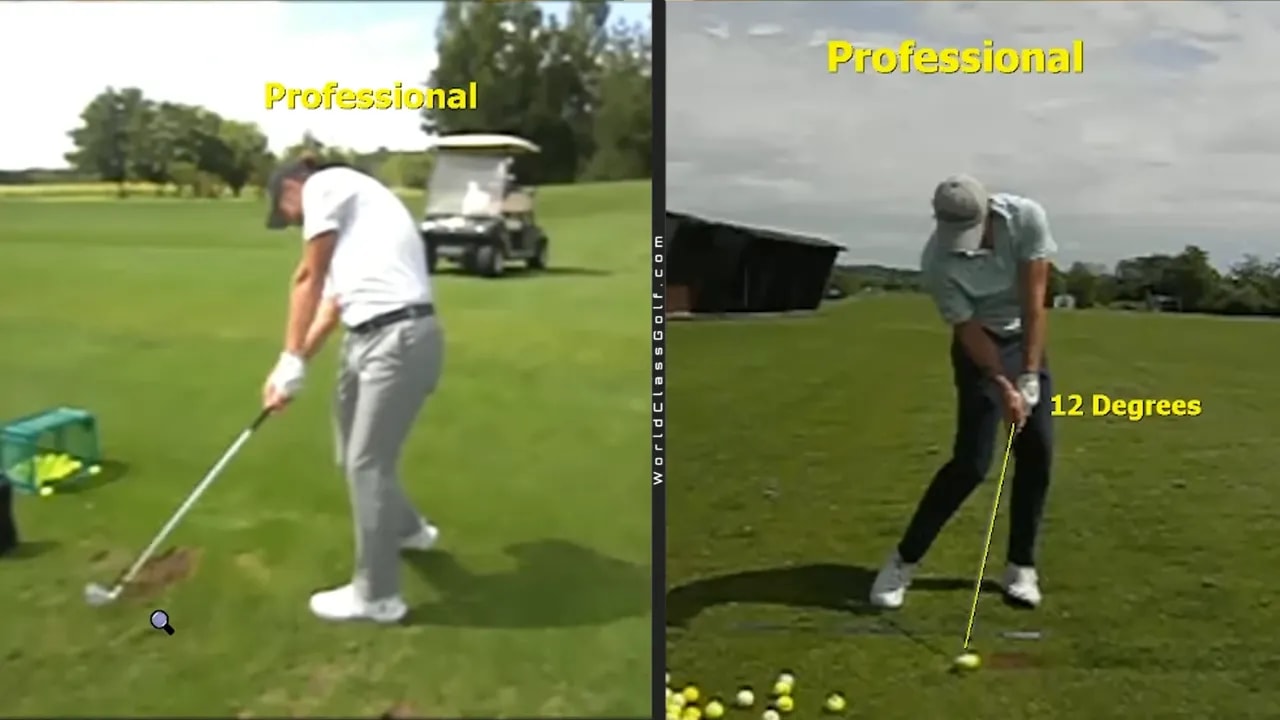
The PGA Tour average of 12 degrees for shaft lean at impact is pivotal for compression, ball speed, and turf interaction consistency. Shaft lean refers to the forward angle of the shaft at impact relative to a vertical line through the hands. Achieving the right shaft lean can improve golf shot quality significantly.
Benefits of Better Shaft Lean:
- Compression: Increases ball speed.
- Turf Interaction: Reduces fat shots.
- Consistency: Produces predictable launch and spin.
Step 3: Train the Whip Release with the Three-Ball Drill
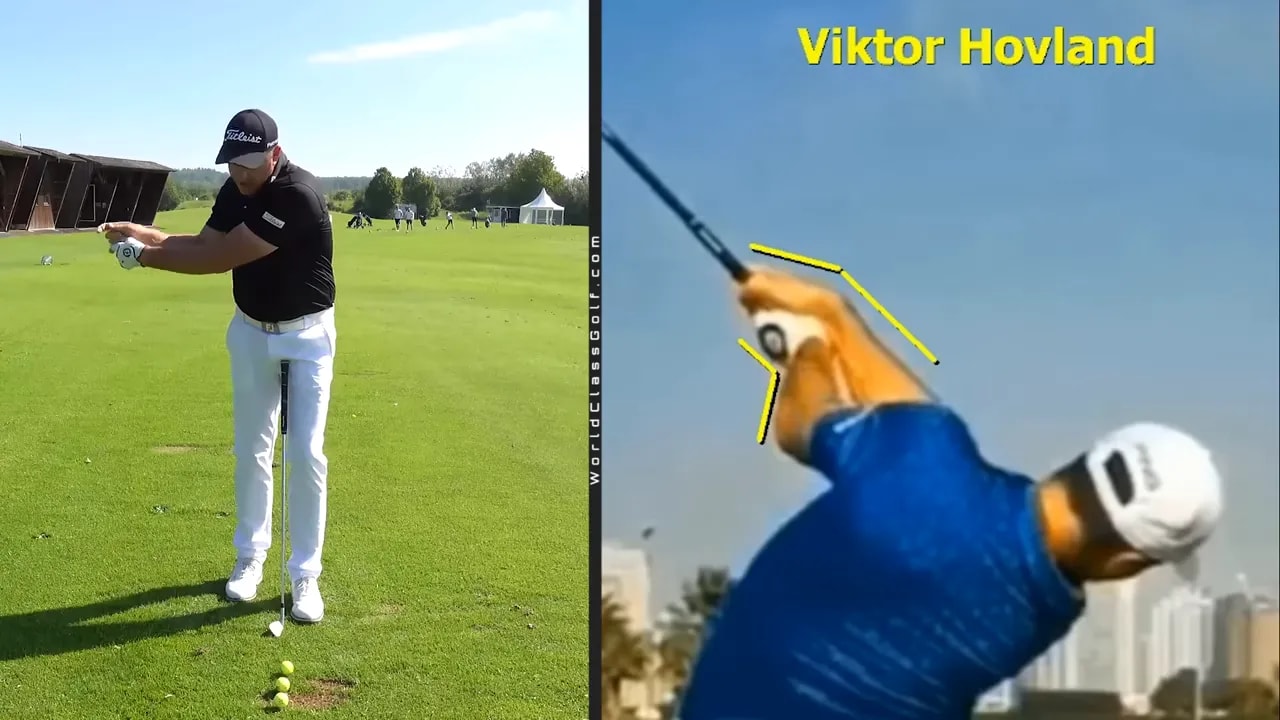
The three-ball drill helps isolate hand motion, promoting a whip-like release. Set up three tees with balls, spaced a few inches apart.
- Address the first ball. Swing so your right arm is parallel to the ground at the second ball.
- Feel your lead wrist in extension, trail wrist in flex, and allow the club to whip past.
- Perform a practice swing without a ball to reinforce the feel.
- Proceed to the next ball, focusing on wrist sensation.
Step 4: Front-End Therapy — Move the Hands So the Body Follows
Instead of leading with the body, front-end therapy suggests moving the hands dynamically first, allowing the body to follow. This sequence improves balance and timing.
- Warm up with the three-ball drill, then half swings concentrating on wrist release.
- Keep the right arm connected, particularly on backswing.
- Encourage free leg movement through impact for less resistance from the upper body.
Outcome: A more fluid, compact swing with improved shaft lean and compression.
Step 5: The Magnet Move — Use Shaft Lean to Control Face Angle and Shot Shape
Managing shaft lean helps control shot direction and ball flight. Greater shaft lean can lead to slight draw tendencies, while less lean may cause low launches or pulls.
- Practice pulling slightly with your lead hand near impact for deeper shaft lean.
- Incorporate a small weight shift forward through impact.
- Sync hand and body movement for consistent lean and release.
Step 6: Progressive Practice Plan for Range and Course
Create a structured plan:
- Warm-up: Two sets of the three-ball drill.
- Build: Three sets with full swings.
- Transfer: Hit 20 mid-iron shots, focusing on the release.
- Refine: Introduce shaft lean adjustments.
- Test: Apply on-course, especially for key approach shots.
Use photos or videos from practice to track improvements in shaft lean and shot quality.
Common Errors and How to Fix Them
Rectify these issues to enhance your swing:
- Holding Angles Too Long: Focus on the three-ball drill to stop holding the wrist angle.
- Early Flipping: Allow hands to release without arm dragging.
- Separation of Lead Arm: Maintain a connected whipping motion.
Putting it All Together: A Compact Summary
- Create sharp wrist angles to store energy.
- Allow a whip-like release as the lead wrist cups.
- Pretend lean through lead hand pull-down and weight shift.
By practicing hands-first training, you’ll develop a more compact, powerful, and consistent swing. The key is to unlock the wrists’ potential to guide and improve your golf game.
Frequently Asked Questions
How do I measure my shaft lean at impact?
Won’t I lose distance if I add forward shaft lean?
Why does freeing my hands create more draws?
What if I feel the hands move but my body breaks down?
How long will it take to see improvements?
Final Practice Checklist
- Warm-up with the three-ball drill.
- Use practice swings for wrist release cues.
- Regularly measure shaft lean aiming for 12 degrees.
- Accept initial shot shape variations.
- Weekly impact photos for progress monitoring.
Adopting the wrist release techniques discussed will lead to less fat and thin shots, heightened compression, and greater speed. Begin with the three-ball drill, practice the magnet move for shaft lean, and allow your body to follow your hands. With dedication, these techniques can elevate your game, reflected in both your performance and scores.
0 Comments