

Are you struggling with an over-the-top swing, causing your golf ball to slice or fly off course? Discover the secrets to achieving straighter, more powerful shots with our expert guide. Let’s dive into the mechanics and practice drills that will transform your swing.
Table of Contents
- Diagnosing the Over-the-Top Swing
- Rhythm in the Backswing
- Center Your Swing
- Choosing the Right Arm Feel
- Understanding Disassociation
- Staying Connected Through Transition
- Intentionally Shaping Your Shot
- Grip Adjustments
- Effortless Three-Quarter Swing
- Practicing on the Course
- Common Mistakes to Avoid
- Effective Drills
- FAQs
Diagnosing the Over-the-Top Swing
Identify if you have an over-the-top swing by observing your ball flight pattern. A push-slice or blocked shot to the right is a common indicator. Assess your backswing and monitor if your arms widen away from your torso, disrupting your swing’s path.
Rhythm in the Backswing: Keep Your Elbows Together
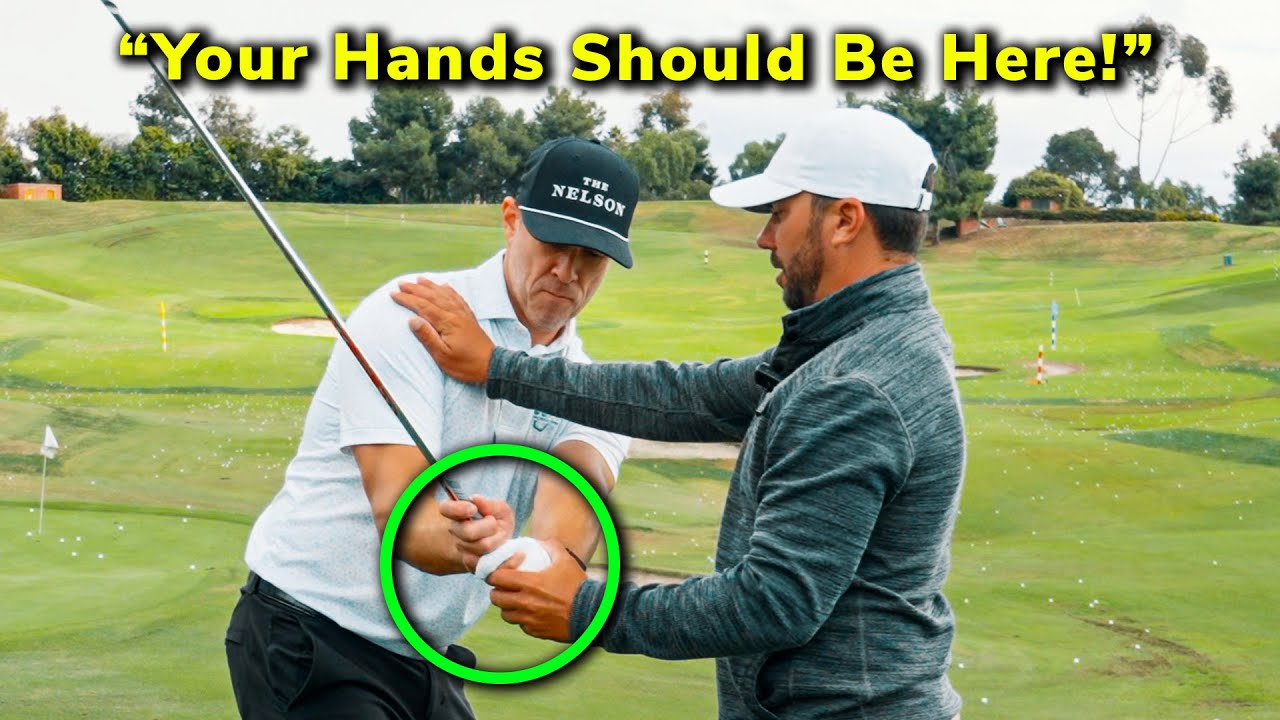
Start the backswing with a focus on keeping your elbows together. This promotes a body-driven swing, reducing the likelihood of an over-the-top path.
Center Your Swing: Use Your Body as a Reference
Keep your sternum as the pivot point and maintain your hands in front rather than above it, allowing for a smoother downswing motion.
Choosing the Right Arm Feel: Long or Tucked
Select an arm feel: either keep the left arm long or the right elbow tucked. Both cues encourage an inside path during your downswing.
Understanding Disassociation: The Key to the ‘Drop’
Tackle the ‘drop’ by actively moving your arm/shoulder pocket downward. Practice with intention to allow your hands to follow an inside track.
Staying Connected Through Transition
Prioritize body rotation in your downswing, letting your arms follow. This ensures the impact comes from a center-led motion rather than an arms-first approach.
Intentionally Shaping Your Shot: Practice the Left-Goal Drill
Challenge your swing path by setting targets left of your usual aim. Commit to starting the ball left and reinforcing your new swing path.
Grip Adjustments: Ensure a Square Face
Correct your grip by positioning the left hand slightly more on top to facilitate a naturally square face at impact.
Effortless Three-Quarter Swing: Swing Speed and Finish
Utilize rotational power with a three-quarter swing. This approach delivers control and consistency without overexerting.
Practicing on the Course: Progression and Translation
Structure practice sessions with varying swing lengths and targets to integrate your newfound technique seamlessly.
Common Mistakes to Avoid
- Forcing the Club Closed: Avoid relying solely on arm action to close the face; use body rotation for a natural closure.
- Half-Hearted Practice: Engage seriously with drills and visuals. Commitment is key to long-lasting improvements.
- Ignoring the Grip: Maintain a strong and correct grip to complement your improved swing path.
Effective Drills
- Elbow Width Drill: Monitor elbow distance in slow swings to build consistency.
- Right-Pocket Drop Drill: Practice actively lowering your shoulder pocket during rotations.
- Left-Goal Shot: Pursue targets left of your usual positions to reinforce the modified path.
How do I know if my swing is over the top?
Can changing my grip fix an over-the-top swing?
What is disassociation and why is it important?
How long does it take to stop coming over the top?
Should I shorten my swing to fix my path?
Embrace the feel: staying connected, using your sternum as a guide, actively dropping the right pocket, adjusting your grip, and practicing left-goal shots ensures you overcome over-the-top swings, paving the way for straighter, more powerful golfing shots. Commit wholeheartedly to these steps for lasting improvement.
0 Comments