

Do you struggle with inconsistent golf shots? Unlock a powerful technique that corrects one of the most common amateur mistakes. Integrating your arms during the downswing can revolutionize your swing, resulting in consistent contact, improved speed, and straighter shots. Dive into our step-by-step strategy to perfect this move and elevate your game.
Understanding the Core Problem
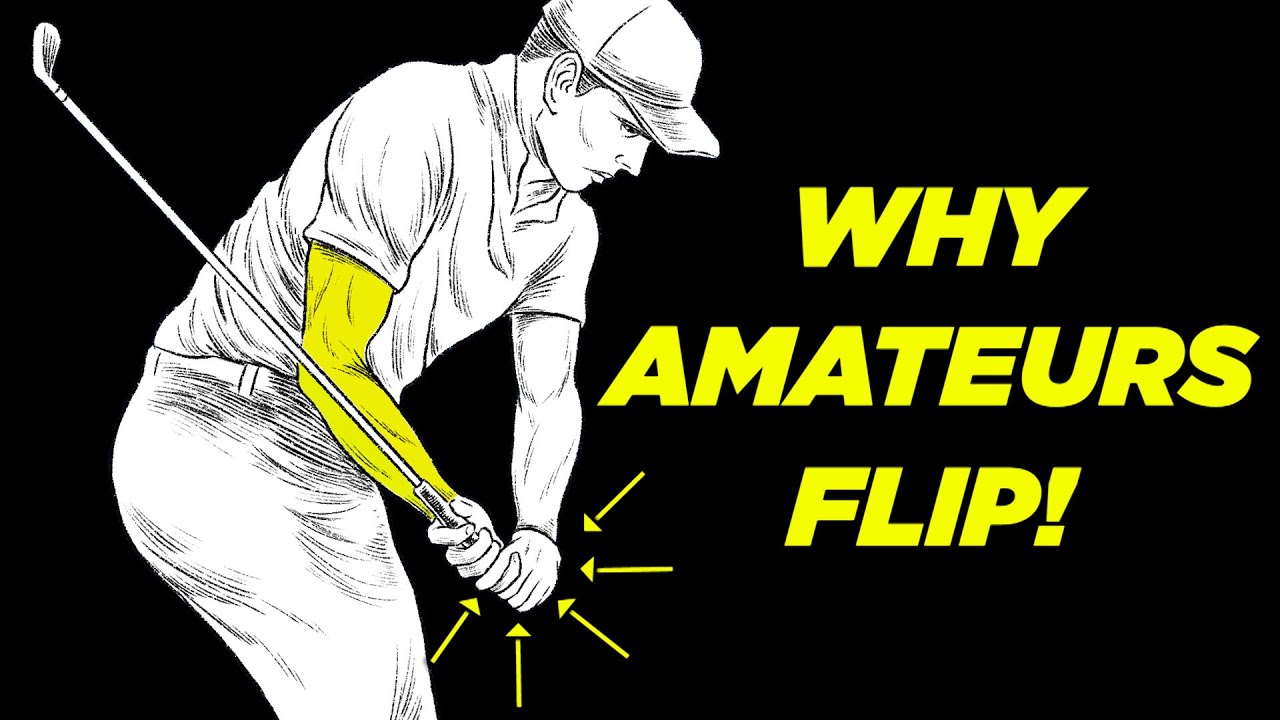
Most golfers falter not due to lack of power, but because of the distance between their hands and trail leg during impact. This improper form often causes a higher club shaft and longer swing radius, leading to thin shots and inconsistency. Focus on moving your hands closer to your right leg during the downswing to enhance your game.
Recognizing Your Swing Type
Not all swings are created equal, even among great players. Some players effectively strike the ball with their elbow slightly behind the torso, whereas others, emphasizing external shoulder rotation, achieve success by bringing the elbow under. Identify your natural swing pattern to maximize efficiency.
Discovering the Slot
The ‘slot’ is a crucial area in your swing path. Positioned just before impact, it’s where the shaft should point towards or slightly outside the ball for clean contact and speed. Learn to consistently find this slot for optimal results.
“This is the slot. This is the go-to position for improving ball striking efficiency.”
The Rest-on-Thigh Drill
This practical drill helps you visualize the correct hand positioning. Rest the club grip on your right thigh, then practice swinging with the goal of returning the grip to this position. Repeating this movement helps embed the correct ‘slot’ sensation into your swing.
The Pump and Reconnect Drill
Perfect the position of your hands close to the trail leg with this simple drill. Swing to the top, pause halfway down, then reconnect before delivering a full swing. This exercise reinforces the alignment needed for optimal contact.
The 30-Degree Directional Cue
Envision your hand path moving slightly inward and down towards 7 or 8 o’clock on a clock face. This 30-degree cue helps shallow out the shaft, making it easier to return to your original swing plane.
Correcting Common Faults
Three recurring issues—high right forearm, early extension, and right-side lift—hinder performance. Address these by maintaining a lower right forearm and keeping your right foot grounded through impact.
When Higher Hands Work
Some players naturally have a higher handle position at impact. Skilled mechanics, such as maintaining the right foot down and a steeper approach, can still lead to effective strikes from this setup. Aim to keep hands closer to the right leg to simplify the swing for most players.
Practice Plan to Master the Slot
Dedicate short, focused practice sessions to ingraining these drills. Start with half swings and gradually incorporate the rest-on-thigh and pump drills, focusing on hand alignment and avoiding thin shots.
Using Video for Feedback
Record and analyze your swings from different angles to ensure your hands are remaining close to your right leg before impact. Repeat drills until you achieve a consistent, reliable swing.
Wrapping Up
Correcting the space between your hands and trail leg is a quick route to improving your game. Adopt these drills, utilize the 30-degree cue, and maintain your right-side position longer to prevent errors. A consistent practice routine incorporating these strategies will lead to cleaner, straighter shots, reinforcing that skill is within your grasp.
0 Comments