

Want to hit longer and straighter golf drives? The secret isn’t in the swing but rather in the setup. Discover the ‘power line’ technique that separates pro golfers from amateurs, and watch your game transform.
If your tee shots are inconsistent, short, or drifting offline, the issue often arises before the clubhead even moves. One small setup and backswing detail—the power line—separates the pros from most amateurs. Nail this technique and instantly unlock higher launch, more distance, and straighter drives in your golf game.
Understanding the Power Line in Golf
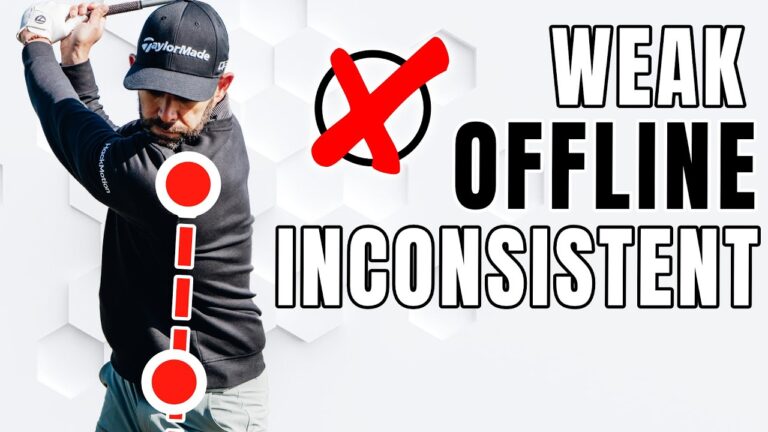
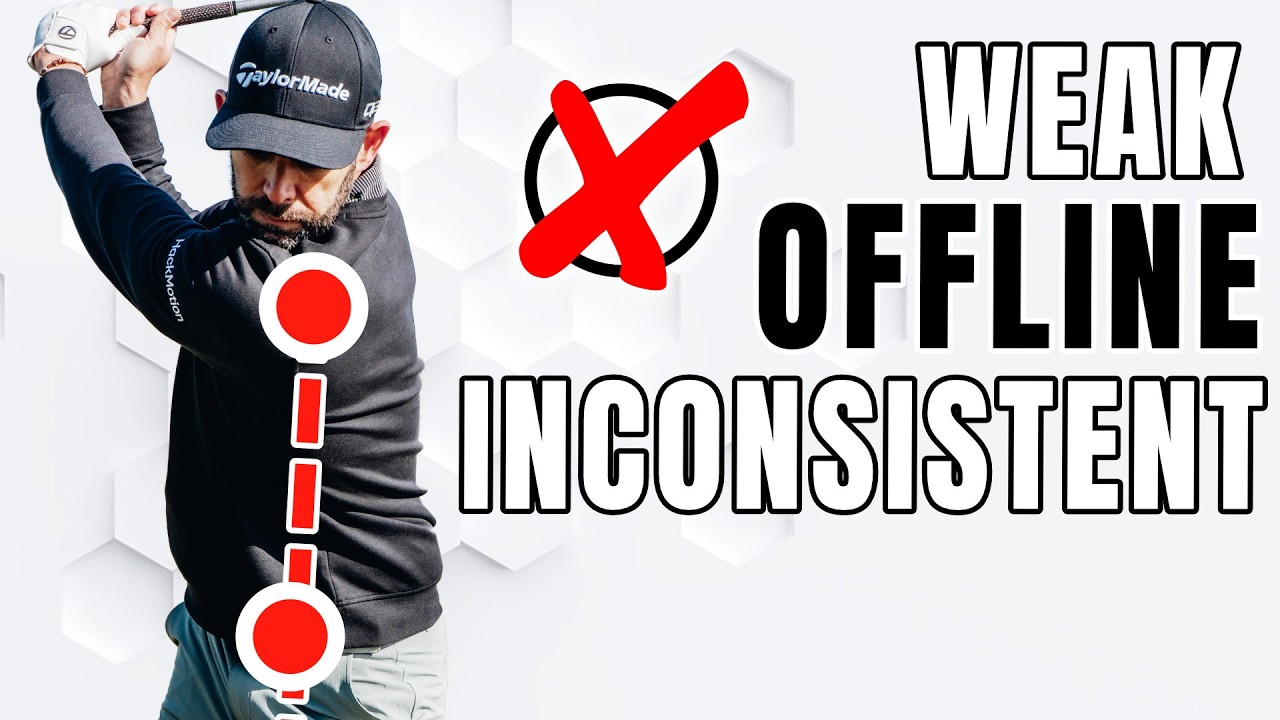
The power line serves as a visual and physical reference at the top of your backswing. Imagine a straight line through your lead shoulder, lead knee, and lead foot. If the line tilts back away from the target, you’re positioned to shift weight behind the ball, create a positive angle of attack with your driver, and deliver the club from the inside. A vertical line or its absence can impede your ability to launch and drive the ball with authority.
Step 1: Optimize Your Stance
Start with your tee position: for the driver, the ball should be opposite your front heel. However, where your sternum lines up relative to the ball makes the real difference. Placing your sternum too close makes the power line vertical, reducing launch power. Shift your sternum back, and widen your stance compared to your iron setup. This adjustment naturally enables a tilted power line during the backswing.
- Ball position: Opposite the front heel.
- Sternum position: Slightly back, centered between your heels.
- Stance width: Wider than your iron stance to allow room for tilt and rotation.
Step 2: Begin the Backswing Right
Ensure that your lead shoulder moves towards your body center as you start the backswing. Avoid snatching the club with your hands; instead, initiate the move by gently pushing the club with your shoulder using the towel drill. This technique fosters early weight shift and rotation, as opposed to a hands-only takeaway, leading to a more consistent power line.
Do several slow repetitions with a small towel behind the club head, encouraging your left side to engage actively. This will naturally align your shoulder-knee-foot line, facilitating a powerful upward attack angle.
- Feel: Left side initiates the move.
- Why it works: Promotes rotation and counters handsy takeovers.
- Practice: Slow reps, then increase speed while maintaining the same feel.
Step 3: Blend Turn and Tilt
To prevent lateral head sway that can break your power line, use an alignment stick drill. Position the stick inside your trail foot and practice with the club across your shoulders. Your aim is to turn and tilt together, not sideways or exclusively. This coordination will help align your lead shoulder, knee, and foot on a tilted plane at the backswing’s peak.
Enable consistent practice by visualizing the stick’s position during swings, rehearsing until you internalize the motion. This turn-and-tilt combination promotes a positive attack angle, boosting your tee shot performance.
Step 4: Lock in Your Power Line
Track your progress with these checkpoints to ensure a successful power line:
- Visual Check: At the top of the backswing, a straight, tilted line should be visible through your lead shoulder, knee, and foot.
- Position Assessment: Is your sternum centered between your heels?
- Initial Movement: Do you feel left shoulder engagement in initiating the swing, avoiding hand defaults?
- Head Stability: Are your shoulders tilting correctly without lateral head sway?
- Launch Indicators: Observe higher launch and consistent drive accuracy.
Step 5: Quick Practice Routine
Incorporate this 30-minute regimen for sustained improvement:
- 5 minutes: Practice stance adjustments without swinging—position sternum and feet correctly.
- 10 minutes: Execute slow towel drills, reinforcing proper lead-side engagement.
- 10 minutes: Use an alignment stick for turn and tilt practice, increasing swing speed progressively.
- 5 minutes: Apply learned insights in full swings, observing launch and drive consistency.
Correcting Common Golf Mistakes
Address these frequent issues with your power line:
- Vertical Power Line: Shift sternum back and widen stance.
- Limited Shoulder Movement: Use the towel drill to engage your left side early.
- Lateral Sway and Insufficient Tilt: Perform alignment stick drills to integrate turn and tilt effectively.
The Impact on Your Game
Achieving a correctly tilted power line increases launch, reduces spin, and enhances carry. These adjustments allow you to deliver the club from inside, improving both distance and accuracy.
Implementing Changes on the Course
Before hitting a tee shot, utilize a consistent pre-shot routine: Properly align feet and sternum; remember the towel drill for initial movement; visualize and commit to the alignment stick’s position behind the ball.
The aim here is to automate these steps, allowing muscle memory to execute efficiently under pressure.
FAQ
How do I know if my power line is too vertical?
Can changing my stance width really add distance in golf?
What if I feel uncomfortable with the towel drill in golf practice?
Does the power line fix slices and hooks in golf?
How long does it take to build the power line into my golf swing?
Final Thoughts
The power line, although simple, brings significant change. By aligning and tilting your lead shoulder, knee, and foot in unison, your drive performance sees improvement. Keep practicing the steps, ensure consistency in your pre-shot routine, and focus on the sensations to automatically achieve superior, repeatable results.
0 Comments