


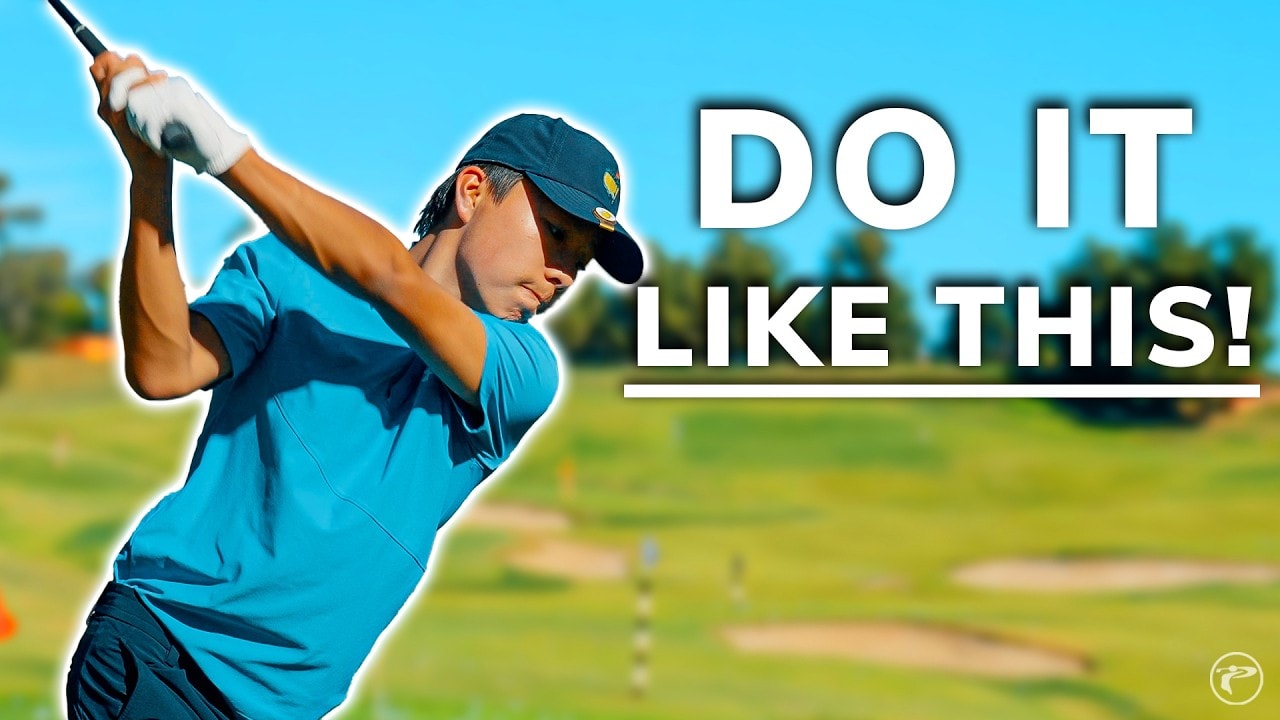
Mastering clubface control is the key to achieving consistent shots and reducing those frustrating mishits. In this comprehensive guide, we delve into the reasons golfers often lose control of their clubface, methods to diagnose the root causes, and step-by-step drills to enhance your game both on the range and the course.
Understanding Clubface Control and Its Importance
Clubface control involves maintaining the clubface at the intended angle during impact to ensure the ball follows the desired path with predictable curvature. Lack of control often results in slices, hooks, and unpredictable distances, causing missed scoring chances. The aim is for your hands, arms, and body to move in unison, ensuring the clubface remains square at impact.
Signs You Lack Clubface Control
- Ball flight deviates from the target line or spins aggressively post-impact.
- Your finish reveals a clubface misalignment with your spine angle.
- You feel the need to “toss” the club to sync with your body.
- Your shots vary between pure and inconsistent strikes.
Step-by-Step Diagnosis
Often, golfers blame their hands for poor control, but the culprit is frequently linked to lower body movements or rotation timing. To identify issues:
- During a slow practice swing, check if your knees remain flexed. Straightening may indicate a hands-only recovery is needed.
- If your three-quarter swing shows face flipping, the problem may be with your hand/forearm path.
- Review your swing’s conclusion: a rolled under or open face indicates hand and body misalignment.
Establishing a Strong Base
The foundation of reliable clubface control lies in a stable lower body. Avoid letting your right knee straighten or shift excessively during the downswing, which disrupts upper body synchronization. Ensure:
- Maintained knee flex: Adopt an athletic stance and hold this through the swing.
- Create a right-side brace: Feel the inside of your right knee asserting a stable position.
- Match spine angle with finish: A clubface aligned with your spine indicates proper lower body function.
Visualize a steady lead-arm plane complemented by a flexed right knee to foster a synchronized feel.
The Three-Quarter Knockdown Drill
The three-quarter knockdown is an effective drill that limits arm casting and enhances connection. By shortening your arm swing relative to your body’s rotation, your hands and core align at impact:
- Controlled backswing: Keep arms slightly shorter; complete a full shoulder turn.
- Chest-led downswing: Let your torso initiate the transition.
- Intentional ball strike: Focus on compressing the ball into the turf with a controlled finish.
The three-quarter knockdown offers numerous advantages:
- Minimizes hand speed variation through impact.
- Stabilizes the clubface, enhancing compression.
- Reliable option for windy or tight yardage conditions.
Drills to Enhance Connection and Control
Towel Under Arm Drill
Purpose: Maintain arm connection to the torso to prevent separation and flipping.
- Place a towel or headcover under your lead armpit.
- Perform 10-15 half swings without dislodging the towel.
- Emphasize torso rotation over arm movement.
Half-Swing Compression Practice
Purpose: Develop a descending strike and stabilize the clubface.
- With a mid-iron, focus on compressing the ball during three-quarter swings.
- Hold the finish to check face stability against your spine angle.
- Repeat sets to achieve consistent compression and face alignment.
Slow-Motion Video Feedback
Purpose: Identify issues in timing and hand path.
- Record swings in slow motion from behind and the side.
- Watch for any premature hand movements, face rollover, or lack of body rotation.
- Compare with a swing where the face aligns with the spine at finish.
Synchronize Rotation to Minimize Arm-Swing Errors
Avoid swinging your arms more than your body, which necessitates last-minute hand speed corrections and face flips. Instead, follow these tips:
- At the top: Ensure the arms halt when shoulder rotation completes.
- During transition: Let the chest lead the downswing with arms following suit.
- At impact: Aim for synchronized arrival of shoulders, arms, and clubface.
This image illustrates the optimal lead shoulder positioning, aiding rotation-first sequencing.
Driver Technique for Clubface Control
The temptation to extend the arm swing with the driver leads to timing disruptions. Remember to:
- Position left shoulder over right foot: Promotes full turn without excessive arm extension.
- Transfer iron techniques: Eliminate arm-dominant moves.
- Practice controlled tee shots: Hit several measured swings emphasizing face stability over distance.
Common Pitfalls to Avoid
- Focusing solely on the hands: Overlooking body rotation sequencing can cause problems.
- Inadequate turning: Compensating with the arms causes unwanted face rotation.
- Halting arms prematurely: A thorough turn remains essential even if the arm swing is shortened.
- Neglecting the finish: A misaligned clubface at finish reflects a disjointed swing path.
When to Use the Three-Quarter Knockdown On-Course
Beyond drills, the three-quarter knockdown is a strategic shot selection:
- Ideal against the wind or side-breezes when full swings increase risk.
- Useful to control yardage without club changing—typically manages a 5 to 10-yard drop.
- Essential for lower shots under trees or onto firm greens.
Remember, the knockdown’s flatter trajectory can outperform full swings in challenging conditions.
Practice Session Checklist: 8 Key Focus Areas
- Knee flex should be retained from setup through impact.
- Establish a solid right-side brace by bracing against the right knee.
- Practice three-quarter swings with limited arm movement.
- Inspect the finish for face alignment with the spine.
- Use towel-under-arm drills to enhance connection.
- Review slow-motion footage to ensure correct sequencing.
- Perform compression-centric half swings.
- End with on-course knockdown applications in pressure scenarios.
Tracking Improvement: Key Indicators
- More consistent start lines with moderate curve.
- Improved compression and predictable distances.
- Finishes with clubface alignment and controlled hands.
- Increased confidence in using knockdown shots strategically.
FAQ
How long should I practice before using the three-quarter knockdown competitively?
Practice until the knockdown feels natural and reliable, which typically requires several focused range sessions and a practice round.
Will a shorter arm swing reduce distance?
Minorly, yes, compared to full swings. However, the controlled knockdown offers better penetration and predictability, especially in windy conditions, leading to better overall scores.
Is clubface control more about grip or body sequencing?
Both are important, but many issues reflect sequencing errors. Correct your posture and rotation first before modifying grip.
What if my arms feel loose at the top?
Simplify your arm length and prioritize a shoulder-led downswing. Use specific drills like the towel-under-arm and build rotational strength.
Should I use the knockdown with every club?
Not necessary. It’s most advantageous with mid-long irons and sometimes fairway woods/drivers in certain conditions for trajectory control.
Summary and Next Steps
To enhance your clubface control, identify if the challenge is timing, an arm-only swing, or hand path issues. Rely on specific drills like three-quarter knockdowns, towel-under-arm training, and compression half swings to fortify your game. Utilize slow-motion analysis and on-course practice to ensure the technique becomes second nature, facilitating reliable shot performance. Set a structured practice session by following the checklist, engage in knockdown drills, and then transition to a brief on-course session to solidify your newfound skills under competitive conditions.
Focus keyphrase: clubface control
Visual reference: Compact arm swing and finish demonstrating effective face control.
0 Comments