

Improve Your Golf Game by Mastering the PGA Motion
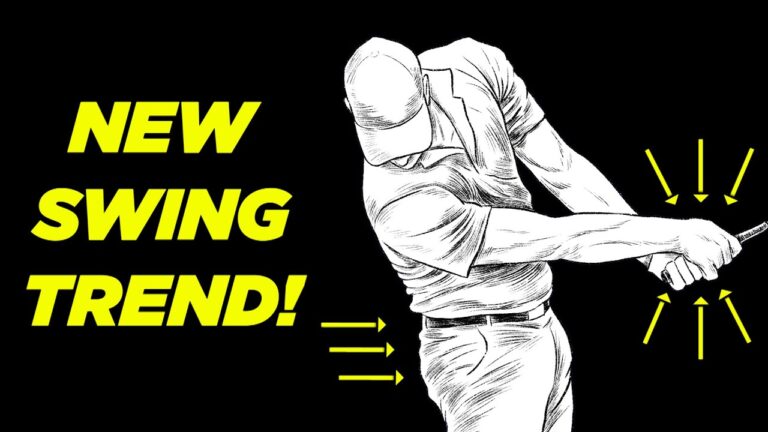
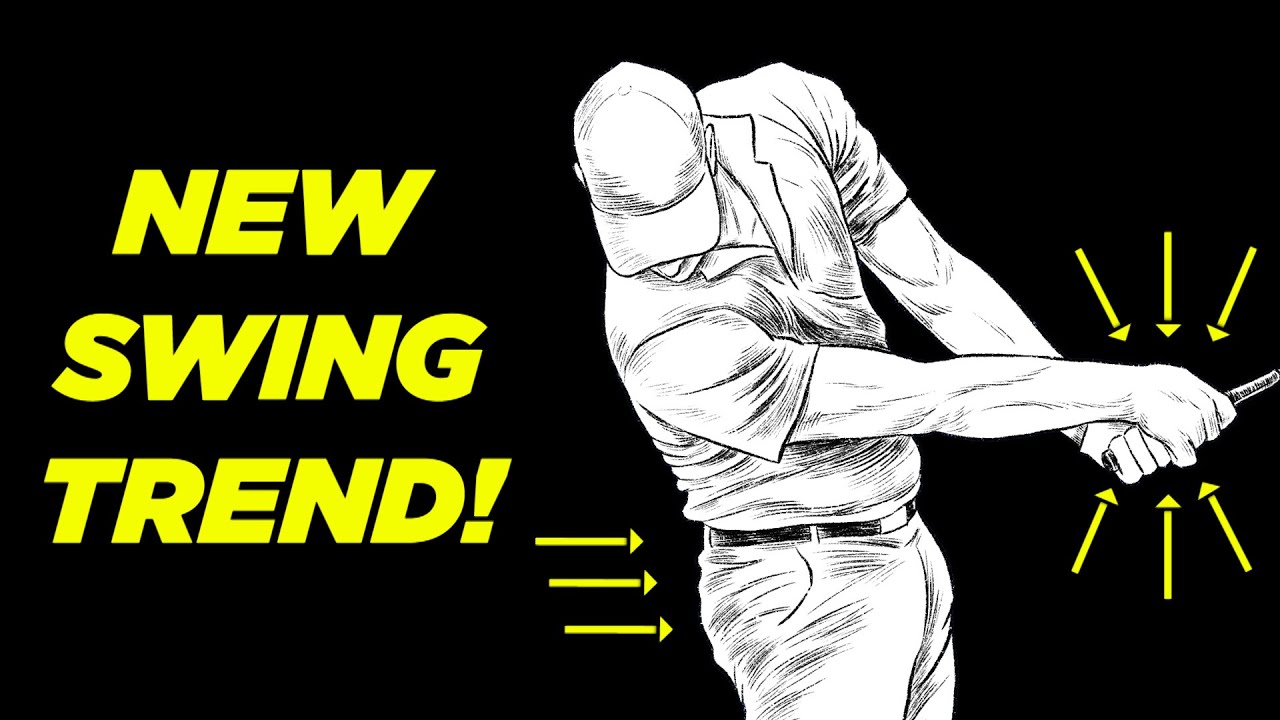
If you’re eager to elevate your golf skills, focus on your lower body’s movement rather than new equipment or techniques. By learning to shift your center effectively while maintaining stable head position, you achieve crucial “shaft lean,” optimal ball compression, and consistent play, distinguishing elite PGA players from amateurs.
This comprehensive guide simplifies that motion into clear, repeatable steps, offering setup checks, versatile drills, and finish-position cues mirrored by top players. Follow these steps in practice, monitor your progress using simple video verification or an app to align with PGA standards.
Table of Contents
- Step 1: See the Problem — Shifting the Head Instead of the Hips
- Step 2: Close the Gap — How to Get Your Knees to Lead
- Step 3: Check the Knee-to-Ankle Angle — The Tour Benchmark
- Step 4: Feel-First Drills that Create the PGA Motion
- Step 5: Finish Position Checks and Why They Matter
- Step 6: Build a Practice Routine and Measure Progress
- Step 7: Common Setup and Transition Mistakes to Avoid
- Step 8: Practical Tips for On-Course Application
- Step 9: When to Get Professional or Tech Help
- How Will I Know When I Am Shifting Correctly?
- What If I Can’t Feel the Lower-Body Movement?
- Will This Reduce My Power If I Focus on the Lower Body?
- How Often Should I Practice These Drills?
- Can I Use These Drills If I Have Joint Issues or Am Older?
- How Quickly Can I Expect to See Improvement?
- Final Thoughts: Make Small Changes with Measurable Results
Step 1: See the Problem — Shifting the Head Instead of the Hips
Many amateurs mistakenly move their head and upper body toward the target, which misaligns shoulders, traps arms, and prompts a compensatory swing. The correct technique involves moving forward with your legs while maintaining head stability, vital for consistent ball-first contact.
Step 2: Close the Gap — How to Get Your Knees to Lead
Top players achieve a lateral hip shift without thrusting the head forward, aiming for about six inches of lateral shift, closing the gap between knees during impact. Utilize the two-club drill, reinforcing the physical feel of correctly aligned lower body shifts under and across the body.
Step 3: Check the Knee-to-Ankle Angle — The Tour Benchmark
Amateurs and pros differ distinctly by their knee-to-ankle angle at impact, with pros maintaining angles around 65 degrees. Analyze your angles using video, ensuring yours is under 70 degrees to enhance your game consistently.
Step 4: Feel-First Drills that Create the PGA Motion
Drill A: Palms Down, Palms Away
This drill focuses on chest extension and weight shift. Transition with knees leading while rotating palms away upon finishing.
Drill B: Tubing Upper-Cut Punch
Using a plastic training tube, this drill drives home knee movement and weight shift efficiency.
Drill C: Right Hand, Right Knee — Left Hand, Left Hip
A rhythmic drill coordinating limb movement with hip action. Enhances forward shift and correct weight placement.
Drill D: Club-in-Ribs Alignment Test
A home drill ensuring your torso remains consistent, promoting better turning motions without over-rotation.
Step 5: Finish Position Checks and Why They Matter
- Belt buckle slightly ahead of the chest: A sign of ideal compression and body stability.
- Head slightly behind the ball line: Prevents upward motion and maintains effective angles into impact.
Step 6: Build a Practice Routine and Measure Progress
Implement short, focused practice sessions. Structure and track progress using apps aligning your technique with PGA metrics.
Step 7: Common Setup and Transition Mistakes to Avoid
- Head moves forward during transition: Eliminates separation and leads to errors.
- Wide trail knee angle: Hampers proper body rotation and shaft lean.
- Relying on rotation alone: Without lateral shift, weight remains stagnant.
- Misplaced focus on speed: Speed without geometry alignment yields poor performance.
Step 8: Practical Tips for On-Course Application
- Rehearse slow-motion swings pre-shot to reinforce lower-body lead.
- Maintain compact setups with engaging knee movements on downswing.
- Instill motor patterns with rhythmic, focused practice swings during games.
Step 9: When to Get Professional or Tech Help
If improvement stagnates, employ tech tools for precise analysis and expert coaching for accelerated progress.
How Will I Know When I Am Shifting Correctly?
What If I Can’t Feel the Lower-Body Movement?
Will This Reduce My Power If I Focus on the Lower Body?
How Often Should I Practice These Drills?
Can I Use These Drills If I Have Joint Issues or Am Older?
How Quickly Can I Expect to See Improvement?
Final Thoughts: Make Small Changes with Measurable Results
The secret to PGA-level striking lies in consistent lower-body motion. Align your knees, lead with the left leg, and maintain head stability. Practice, record progress, and witness your play evolve from inconsistent strikes to confident performance.
0 Comments