

 Transform Your Golf Game with Simple Body Movements
Most amateur golfers overlook a small set of crucial body movements that dramatically improve ball striking. Rather than chasing complicated solutions, focus on three practical aspects: head position, hip direction, and leg action. With minimal equipment, you can quickly implement these feel-based drills to consistently return to your original shaft plane for straighter shots. This guide breaks down the process into repeatable steps you can practice at the range.
Step 1: Use Head Position to Control Shoulders
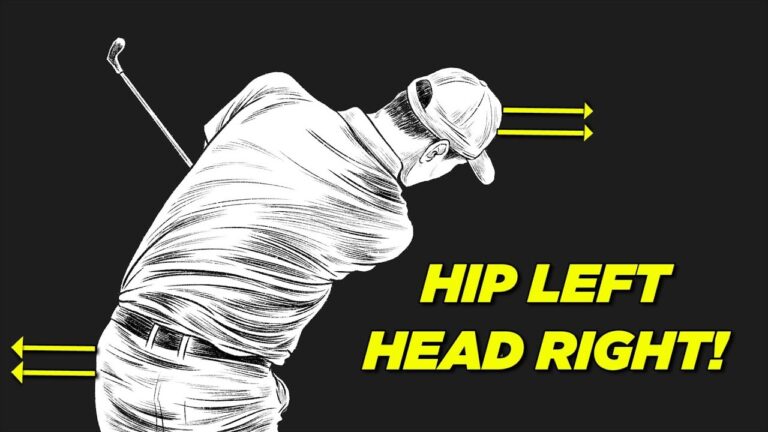
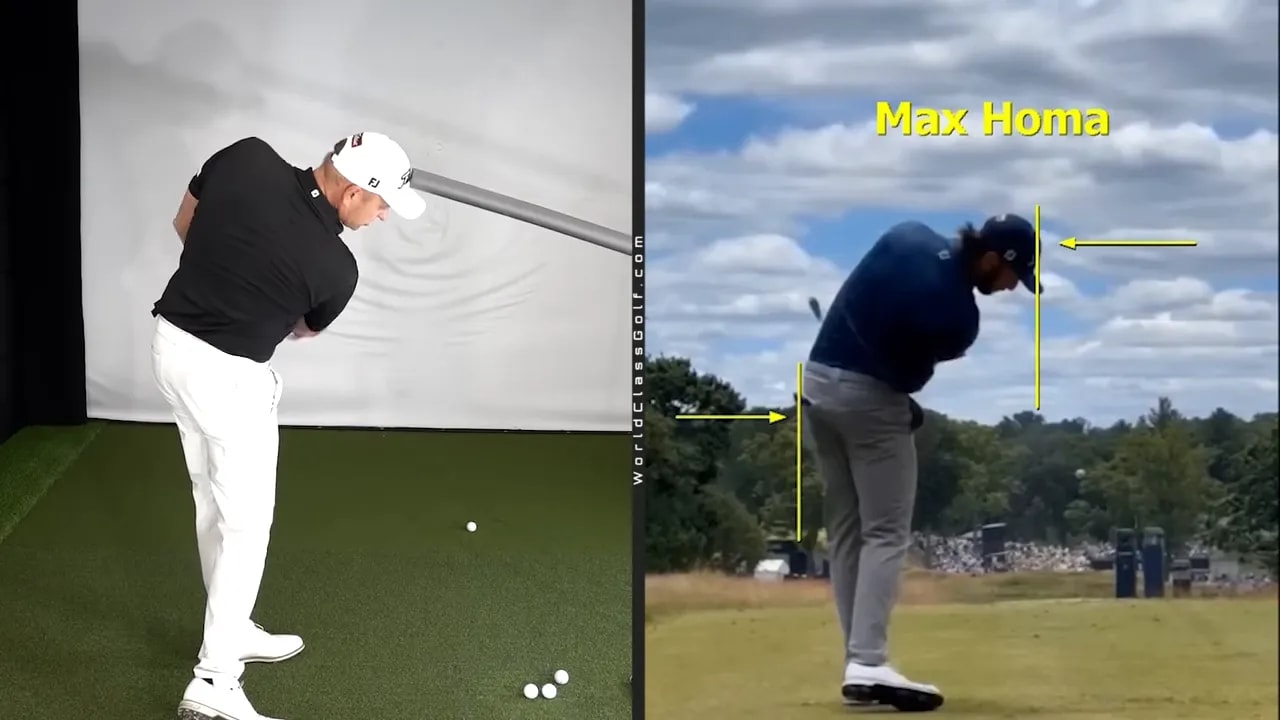
A single adjustment in head position during impact can revolutionize your ball striking. By keeping your head slightly outside (away from the target), your shoulders stay appropriately steep, preserving your shot sequence. Avoid pulling your head toward the target, which flattens shoulders and spins the body, causing poor contact.
Practice slow swings with a slight head tilt, aligning your right eye lower than your left if you’re right-handed. This tilt engages necessary shoulder steepness and mimics great ball strikers’ technique.
Step 2: Land Back on the Original Shaft Plane
Improve your ball striking instantly by returning to the original shaft plane using an alignment rod. Place it upright in the turf a fist-width outside your hands at address to guide your hand and shaft position. Make practice swings to feel your hands returning to the original plane, enhancing clubface control and contact quality.
Step 3: Create Depth with a 45-Degree Hip Push
Direct your left hip (for right-hand golfers) to a 45-degree angle at impact. This positioning grants pivot depth, preserves angles, and enables proper club shallowing. Practice exaggerated swings targeting this corner to facilitate more reliable club delivery and cleaner strikes.
Step 4: Achieve Compression with Symmetrical Knee Work
The best ball strikers use symmetrical knee motion to stay down and compress the pivot. Emulate their technique by allowing knees to draw back slightly, creating a compressed stance during impact. This practice provides a consistent bottom of the swing and improved turf interaction.
Step 5: Hand-on-Top Drill for Hip and Foot Control
Use the hand-on-top driver drill to practice proper hip and foot motion. Keep your right foot on the ground slightly longer and focus on your left pocket’s movement toward the 45-degree corner. This method ensures body alignment for solid contact and direction control.
Practice Routine for Fast Improvement
Combine drills with intentional reps: Begin with slow half swings for head tilt and shoulder steepness, continue with alignment stick swings, and follow with the 45-degree left hip drill. Incorporate symmetrical knee work and finish with the hand-on-top driver drill. Film your swings weekly to check improvement.
Avoid Common Golf Mistakes
Avoid errors like early extension or high shaft approach by practicing drills that emphasize correct positions. Track your progress with centered contact rates, shot dispersion, and visual confirmations through video.
Household Alternatives for Practice
Utilize household items such as swim noodles or broomsticks to simulate training aids. These simple tools can provide necessary feedback to enhance your practice without specialized equipment.
Weekly Practice Plan
Devote 3 days per week to drills, recording swings once weekly for feedback. Apply techniques on-course by focusing on consistent drill execution. Commitment to these steps will elevate your golf performance.
FAQs
How quickly will I see improvement in my golf ball striking?
Many golfers observe immediate improvements in contact and direction with focused practice sessions. Long-term consistency develops over 2-6 weeks with continuous practice of these techniques.
Do these drills work for senior golfers?
Yes, they effectively reduce joint stress and improve sequence for senior golfers, providing better control without extra strain.
0 Comments