
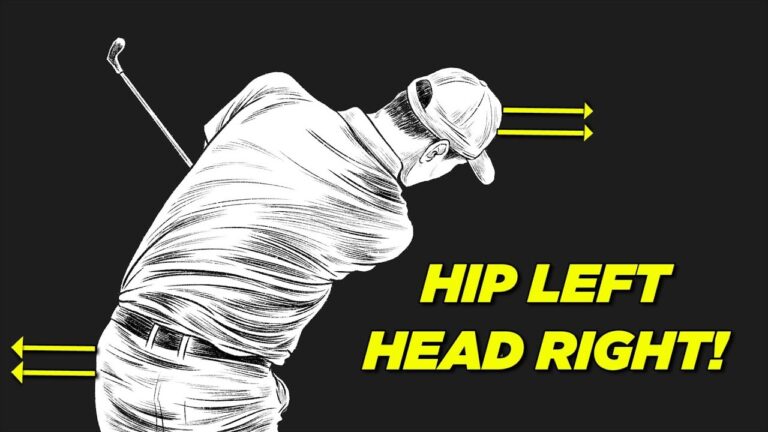

Straight, consistent ball striking begins with a small set of body movements that most amateur golfers overlook. Instead of chasing flashy fixes, focus on three practical feels: head position, hip direction, and leg action. These feel-based drills are easy to practice, require minimal equipment, and are designed to get your body landing back on the original shaft plane so you hit straighter, purer shots. This guide breaks the process into clear steps you can repeat on the range and track with your next practice session.
Table of Contents
- Step 1: Understand the hidden move in golf — use your head to control the shoulders
- Step 2: Land back on the original shaft plane — a simple alignment-stick drill for golf
- Step 3: Push the left hip to 45 degrees — create depth and a powerful path in golf
- Step 4: Use symmetrical knee work to stay down and compress your pivot in golf
- Step 5: Hand-on-top driver drill — force the left pocket back and keep the right foot down for golf
- Practice routine: combining the drills so your golf improves fast
- Common mistakes and how to fix them for better golf
- Step 6: Equipment-free alternatives and household aids for golf practice
- Advanced tip: coordinate hip, head, and hands for repeatable golf contact
- Step 7: Putting it all together — a weekly practice plan for golf
- Frequently Asked Questions
- Final checklist to take to the range for better golf
Step 1: Understand the hidden move in golf — use your head to control the shoulders
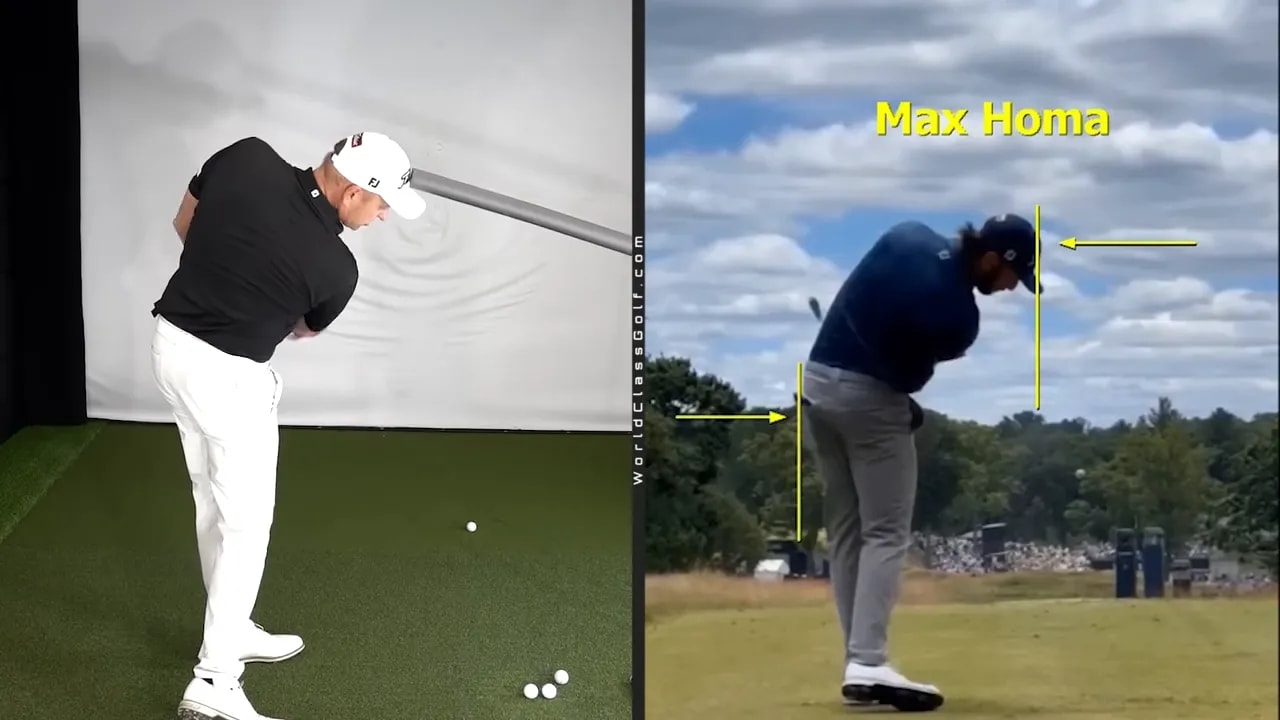
The single simplest idea that changes ball striking is where your head sits through impact. When your shoulders remain steep and your head stays slightly out (away from the target), your legs naturally stay back and you remain “in the shot.” If you pull your head back toward the target, your shoulders level off and the body starts to spin out. That creates a high shaft, loss of angles, and poor contact.
Practice this feeling with slow swings. Keep the head showing a slight tilt so your right eye is lower than your left if you are right handed. That tilt maintains shoulder steepness and preserves the sequence that great ball strikers use.
Step 2: Land back on the original shaft plane — a simple alignment-stick drill for golf
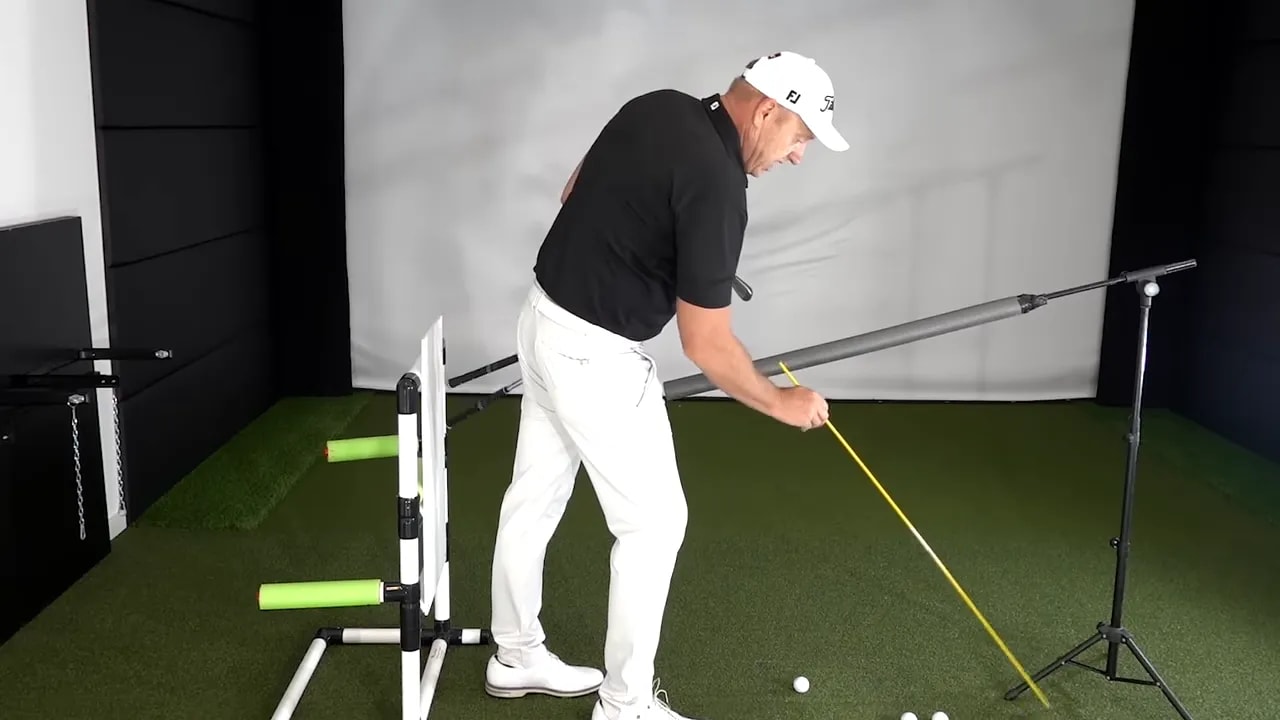
One of the fastest ways to hit better immediately is to train landing back on your original shaft plane. Use an alignment rod, tool stick, or even a broomstick placed upright in the turf about a fist-width outside your hands at address. The stick becomes a physical reference so you can feel whether your hands and shaft return down to the correct plane.
Setup the rod so it sits roughly where your hands are at address. Make practice swings where your hands pass close to that stick on the downswing. The goal is not to hit the stick but to feel the hands and shaft come back to the same plane they started on. When you can consistently land on that plane, your clubface control and contact quality improve dramatically.
Step 3: Push the left hip to 45 degrees — create depth and a powerful path in golf
Think of the left hip (for right-handed golfers) as moving toward a 45-degree corner at impact. That 45-degree position creates depth in your pivot, preserves angles, and allows the club to shallow properly into the ball. Without that left-hip direction you risk early extension, standing up, and creating a high, outside-to-in shaft path.
Drill:
- Takeaway: Get a small head start by turning and creating depth with the right hip moving back behind you.
- Downswing: Push the left hip toward a 45-degree line out into the corner, while maintaining some lateral shift.
- Finish: The left hip should feel like it is out and slightly back — not thrusting forward early.
Practice small, exaggerated swings to feel the hip travel. Picture that corner and move into it on the downswing. When the left hip consistently occupies that 45-degree position, the club delivers on a much more reliable plane and produces cleaner strikes.
Step 4: Use symmetrical knee work to stay down and compress your pivot in golf
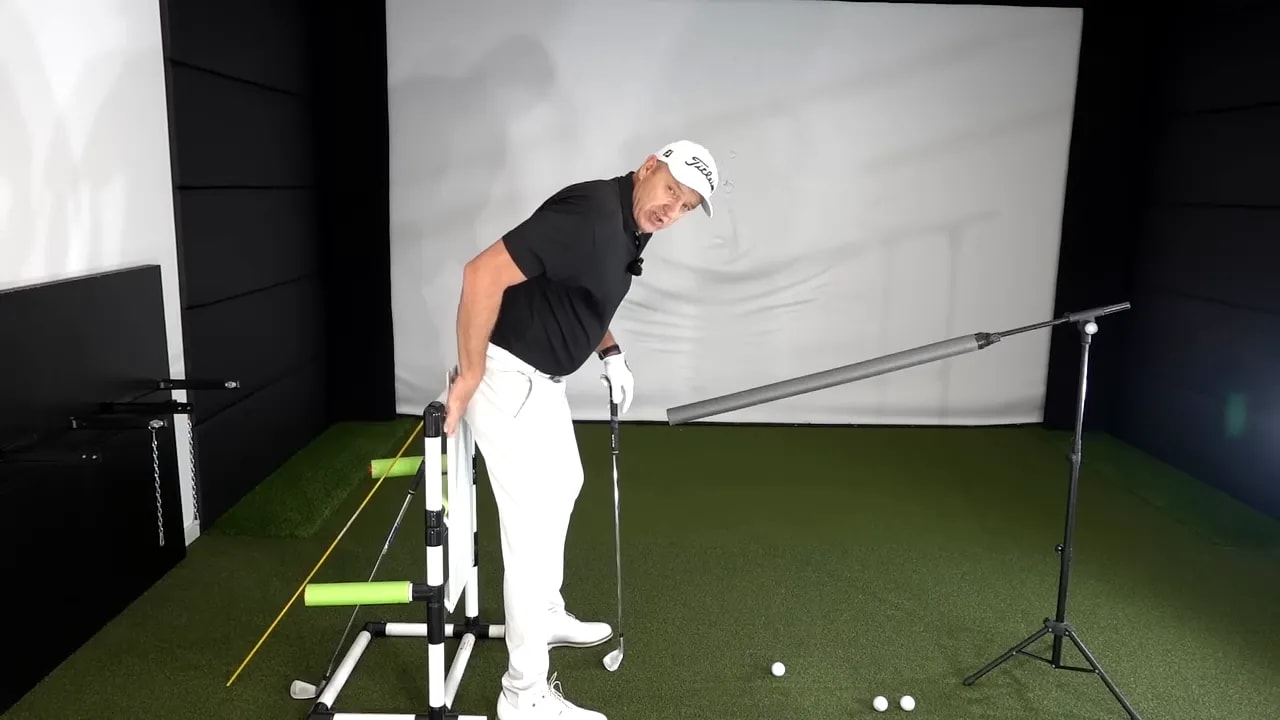
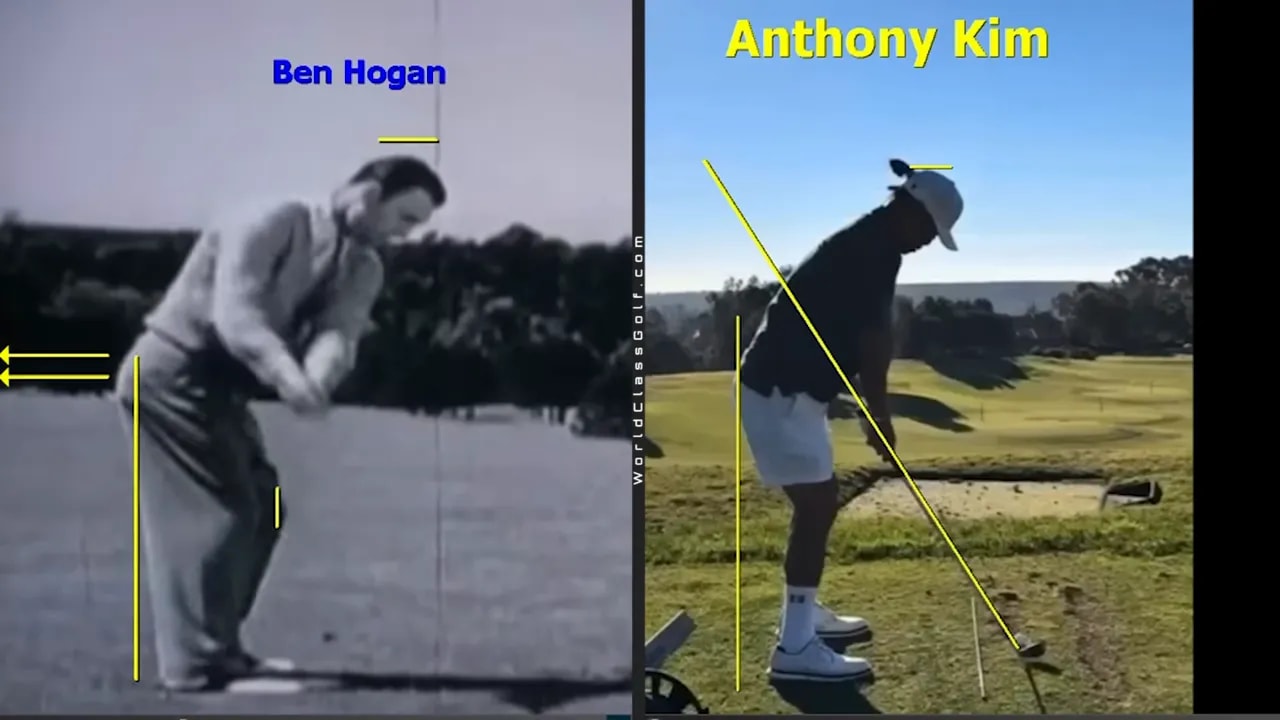
Staying down through impact and creating compression in the pivot is a hallmark of the best ball strikers. Symmetrical knee action means the legs work together: the right hip and right leg draw back while the left hip moves into the 45-degree corner. This shortens your vertical stature slightly through impact so the club compresses the ball instead of scooping it.
Look to emulate the legs of classic ball strikers: the knees allow a small amount of “getting smaller” through impact. The PGA Tour average shows players often move one inch lower on the downswing than at address. That small lower shift produces a steadier bottom of swing and more consistent turf interaction.
Drill suggestions:
- Make half swings, focusing on drawing the right thigh back under the left while keeping the chest over the ball.
- Practice with a narrow flight of swings where the knees compress and then extend after impact.
- Keep repetitions short and precise; feel the compression rather than forcing motion.
Step 5: Hand-on-top driver drill — force the left pocket back and keep the right foot down for golf
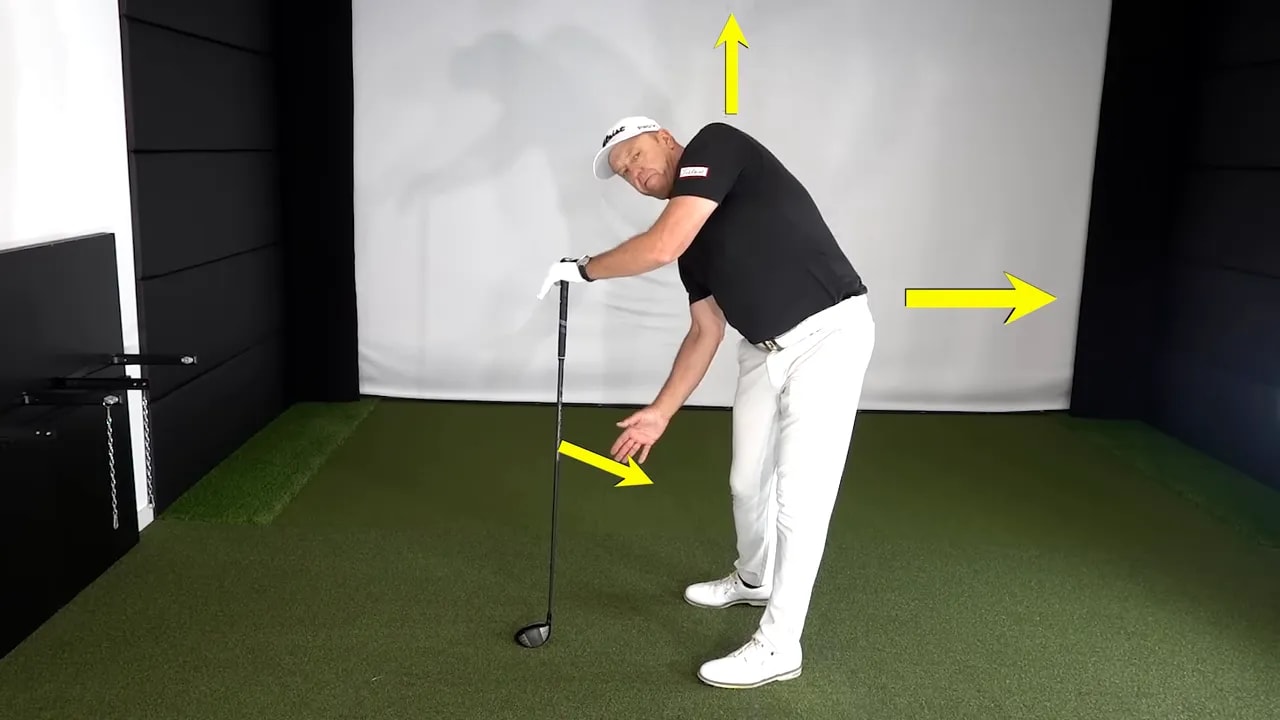
A practical drill that promotes the correct hip and foot behavior for longer clubs is the hand-on-top driver drill. Grip the club with your left hand placed on top of the grip and make swings while deliberately pulling your left pocket back toward that 45-degree corner. The left hip moves back and out while the right thigh stays connected to the left side for longer through impact.
Key details:
- Right foot — keep it on the ground slightly longer. Do not let the right foot lift too early, which causes you to come out of the shot.
- Neck tilt — allow a small head tilt (imagine water dripping from your left ear). This keeps your right eye slightly lower and preserves your viewing room.
- Finish position — a proper finish visually confirms the body sequence. If you finish tall and open, you likely spun out early.
The imagery of “water dripping from your left ear” helps you feel the slight neck tilt and keeps the upper body stacked properly so the club releases with more control. This drill works especially well with drivers and long clubs when maintaining body connection is critical for solid contact and direction control.
Practice routine: combining the drills so your golf improves fast
A progressive practice session combines feel, feedback, and measured reps. Use these steps in order:
- Warm up with 10 slow half swings focusing on head tilt and shoulder steepness.
- Perform 20 practice swings with the alignment stick set a fist-width from your hands. Focus on landing back on the original shaft plane.
- Do 20 repetitions of the 45-degree left hip drill, emphasizing depth in the pivot and a small lateral shift.
- Practice symmetrical knee work in sets of 10 half swings, concentrating on the right thigh drawing back under the left.
- Finish with 10 driver swings using the hand-on-top drill, keeping the right foot down and feeling the left pocket move to 45 degrees.
Keep sessions short and intentional. Record or film a few swings every week to objectively check whether your hips, head position, and shaft plane are improving. You can use a phone and slow-motion playback to confirm the left hip angle and the sequence of movement.
Common mistakes and how to fix them for better golf
Fixing the following common errors will accelerate progress:
- Early extension — feeling taller through impact. Fix with drills that emphasize getting smaller through impact and keeping the chest over the ball.
- Pulling the head back — this flattens the shoulders and spins the body. Keep a slight head-out tilt to maintain shoulder steepness.
- High shaft on approach — indicates loss of angles. Use the alignment-stick drill to find the original shaft plane again.
- Right foot lifting too soon — lose connection and balance. Practice keeping the right foot down slightly longer and feeling the right thigh move under the left.
- No hip direction — hips not moving to the 45-degree corner. Do the left-pocket drill and exaggerate the hip direction until it becomes natural.
How to measure progress
Track these simple metrics to know if the drills are working:
- Percentage of centered contact with irons (reduce thin/topped shots).
- Shot dispersion: tighter left-right spread equals better plane and face control.
- Feel: can you reproduce the left hip moving to 45 degrees without thinking?
- Video comparison: slow-motion side-by-side playback of day 1 and week 4.
Step 6: Equipment-free alternatives and household aids for golf practice
You do not need expensive training aids to start. Household items work well:
- Swim noodle — attach to a stand or use it lying on the ground to prevent your hands from rising early and to mimic the alignment-stick feel.
- Broomstick or alignment rod — jam it into turf or lean it upright at a fist-width from your hands for shaft-plane feedback.
- Small towel — place under both armpits to promote body connection and prevent excessive arm separation from the torso.
The key is consistent feedback. If you can feel the correct motion, you can reinforce it quickly through short, focused practice sessions.
Advanced tip: coordinate hip, head, and hands for repeatable golf contact
Once you can reproduce individual drills, blend them. The advanced sequence is:
- Start with the head slightly out to keep the shoulders steep.
- Create depth on the backswing with the right hip moving back behind you.
- Push the left hip into the 45-degree corner while drawing the right thigh under the left.
- Allow the hands to return to the original shaft plane and release the club through a connected lower body.
This coordinated sequence yields better clubface control, a shallower approach into the ball, and more reliable distance and direction.
Step 7: Putting it all together — a weekly practice plan for golf
Commit to a weekly plan that targets these areas in short sessions:
- 3 days per week: 20 to 30 minutes of feel-based drills and 30 purposeful swings per session.
- 1 day per week: record swings and review with slow motion; compare to earlier clips.
- On-course: play one shorter session trying to reproduce one drill (for example, keep the left hip 45 degrees on every tee shot).
Small, consistent input beats sporadic long sessions. The body learns through repetition so frequent short practices are the fastest path to better golf.
Frequently Asked Questions
How quickly will I see improvement in my golf ball striking?
Many golfers notice improved contact and direction within a few practice sessions when they focus on these feels. Immediate improvement is common with the alignment-stick and hand-on-top drills. Long-term consistency typically requires 2 to 6 weeks of deliberate practice.
Do these drills work for senior golfers?
Yes. Senior golfers often benefit from the symmetrical knee work and the Ben Hogan-style smaller posture through impact. These drills reduce joint stress and promote better sequencing without requiring extra torque or mobility.
Do I need training aids to practice these techniques?
No. Household items like a broomstick, swim noodle, or towel provide excellent feedback. The alignment-stick drill and the left-pocket feel can be practiced without specialized equipment.
How many reps should I do each practice session for golf?
Short, focused sessions of 30 to 60 purposeful swings are more productive than long unfocused sessions. Break practice into sets of 10 reps per drill with a short pause to check feel and video feedback.
Will changing my swing sequence ruin my existing swing?
These drills emphasize feel and small changes rather than wholesale swing overhauls. Introduce one drill at a time, and use video or a coach to confirm you are adding the correct motion without disrupting what already works.
Final checklist to take to the range for better golf
- Bring an alignment rod or broomstick for shaft-plane feedback.
- Start with head tilt and shoulder steepness for 10 warm-up swings.
- Practice the 45-degree left-hip drill for depth and path control.
- Do symmetrical knee compression sets to stay down through impact.
- Finish with the hand-on-top driver drill focusing on right foot connection.
- Record a few swings each week to compare progress and refine feels.
These practical, feel-based steps will help you create a repeatable swing that lands back on the original shaft plane, protects your body, and produces straighter shots. Focus on the head position, left-hip direction, and leg compression, and you will see measurable improvement in both contact and accuracy.
0 Comments