

A Winning Golf Strategy: Hips Forward, Head Back
Supercharge your golf game with the perfect blend of precise hip movement and head alignment! By mastering the hips forward, head back technique, you will effortlessly generate impressive distance and impeccable direction control. Dive into this step-by-step guide and systematically enhance your skills at the range or on the course.
Step 1: Setup and the Core Idea
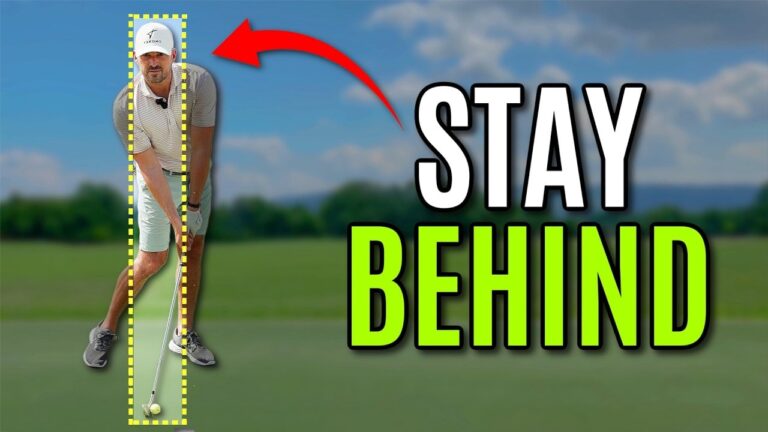
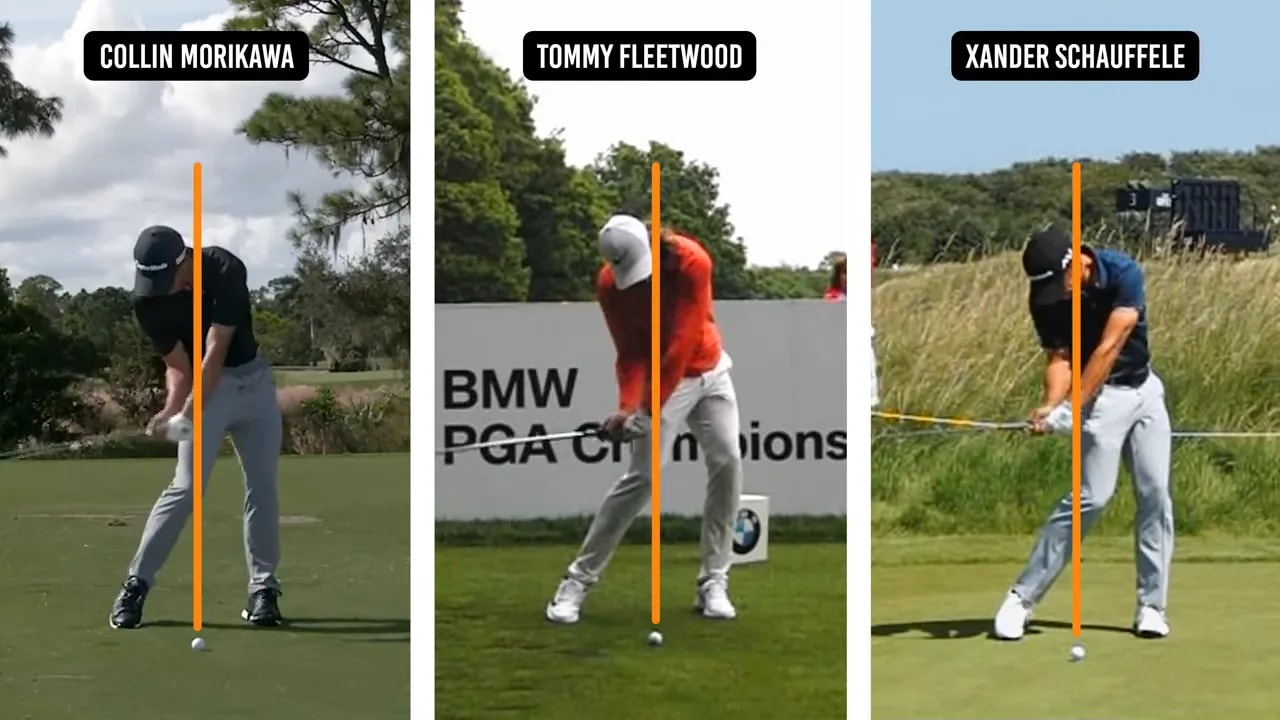
Focus your downswing on two main actions: thrusting your hips forward and maintaining your head back over the ball line. This dual action cultivates an ideal shallow club path, boosting contact and control. Think of your hips as the swing’s engine and your head as the stabilizer. Commit the mantra to mind: hips forward, head back.
Step 2: The Beginner Drill
Gear Required: 8-iron/9-iron, alignment rod, flat surface.
- Placement: Align the rod under your left ear or eye at address.
- Motion: Swing your arms parallel at impact and hit the mat.
- Hip Drive: Ensure your belt buckle is aligned over your left ankle.
- Head Position: Maintain your head over the rod line using internal chest and shoulder cues.
This drill ensures your hips are closest to the target at impact, seamlessly transferring your weight onto the front foot.
Step 3: Add a Front Visual
Enhance your practice by introducing a visual cue aligned with the ball at chest or shoulder height. This establishes a three-dimensional target focus.
- Setup: Position an object like a phone holder at chest height in front.
- Execution: Maintain the swing pattern, driving your hips past the ground rod while your head stays behind the front visual.
The visual aid acts as a boundary, preserving the head back alignment and promoting an inside club path.
Step 4: Advanced Layer
Advance by positioning an object above your lead shoulder, emphasizing lower-body drive and upper-body restraint.
- Position: Set an elevated object above your lead shoulder.
- Action: Rotate your hips toward the target while keeping the object ahead of your head.
This step trains a dynamic hip thrust motion, refining the shallow swing path.
Step 5: Drill Adaptation for Long Clubs
For drivers and longer clubs, adjust your setup with a fuller rotation. Practice with a driver at a slower pace, keeping the head back and advancing the hips.
- Position the front object further when practicing with a driver.
- Maintain a chest-up, shoulder-down orientation for a sweeping swing action.
Structured Practice Routine
- Warm-up (10 mins): Stretch lightly, emphasizing the hip and chest cues.
- Drill Execution (30 mins): Conduct three-ball sets focusing on correct sequence across drill stages.
- Full Swing Transfer (15 mins): Apply the cues from short irons to drivers.
- Cool Down (5 mins): Focus on balance and proper final positioning.
Consistency and technology like video analysis ensure refined practice and confirmed progress.
Common Mistakes
Head Moving Forward
Prevent rushing hips and head by reiterating chest-up, shoulder down orientation.
Insufficient Hip Movement
Ensure your hips move forward enough; use the ground rod for feedback.
Accelerate Progress with Technology
Utilize apps and video tools for real-time feedback on hip and head positioning. Measurable results replace guesswork, expediting skill improvement.
Key Cues
- Hips Forward: Drive belt buckle toward the target.
- Head Back: Head stays back until arms parallel.
Conclusion
By mastering the coordination of moving your hips forward while keeping your head back, you’ll enjoy cleaner, more controlled strikes, increased distance, and superior directionality. Embrace this step-wise approach, and see your game transform.
0 Comments