
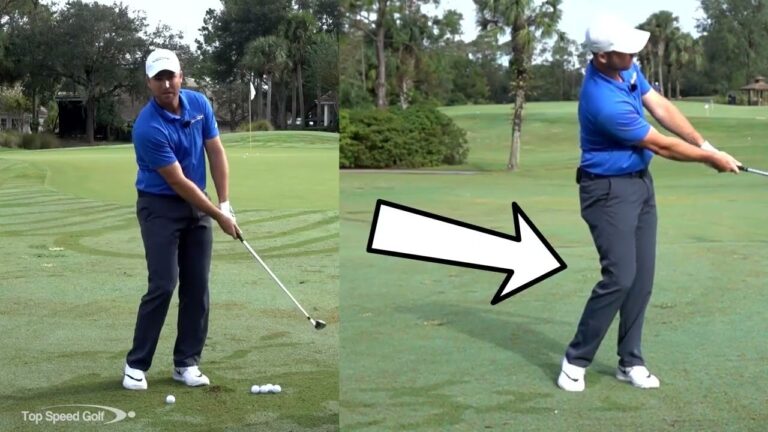

Understanding when to chip versus when to pitch is one of the fastest ways to lower your golf scores. Both are short game shots, but they have different goals, setups, and required contact to control carry, spin, and rollout. This guide breaks the decision process into clear steps, explains the technique for each shot, and gives practice drills and checklists you can use on the practice green or course.
Table of Contents
- Step 1: The single key that separates chip from pitch in golf
- Step 2: A simple decision flow to choose the right golf short game shot
- Step 3: How to chip — setup and technique for reliable rollout
- Step 4: How to pitch — setup and technique to create spin and stop the ball
- Step 5: Landing zone planning — where to land and how much roll to expect
- Step 6: Conditions and edge cases that change the approach in golf
- Step 7: Simple practice drills to improve chips and pitches
- Step 8: Common mistakes and how to fix them
- Step 9: Pre-shot checklist for chips and pitches
- What distance should I chip vs pitch?
- Which clubs create the most backspin for pitch shots?
- Why am I not getting spin on my pitch shots?
- How should I practice for better short game performance?
- Can I always choose to chip instead of pitch to reduce errors?
- Takeaway: Make the right short-game choice every time in golf
Step 1: The single key that separates chip from pitch in golf
The most important distinction is not distance. The real difference is the amount of spin you want and how you plan for carry versus roll. In simple terms:
- Chip: Get the ball onto the green quickly and let it roll out. Low spin, lower-lofted club, controlled pace.
- Pitch: Carry the ball closer to the hole and use backspin to stop it quickly. Higher loft, more spin, firmer strike and acceleration through impact.
Treat this as a decision rule: if you need the ball to stop fast and you can land it on the green, pitch. If you want it to run once it hits the green, chip.
Step 2: A simple decision flow to choose the right golf short game shot
Ask these four quick questions before you commit:
- Is there an obstacle between you and the green (bunker, fringe, water)? If yes, consider a pitch.
- How soft or firm is the green? Firmer greens favor a pitch that lands and checks; softer or damp greens reduce spin—favor chipping.
- Where is the pin relative to the landing area? If you need the ball to stop close to the pin, pitch.
- Do you have the skill and confidence to hit a clean, high-spin shot? If not, chip for consistency.
Use this flow as a default. For example, a 30-yard shot with a tight lie and a tucked pin over a bunker usually calls for a pitch; a 30-yard shot with clear run to the hole and a center-pin is often a chip.
Step 3: How to chip — setup and technique for reliable rollout
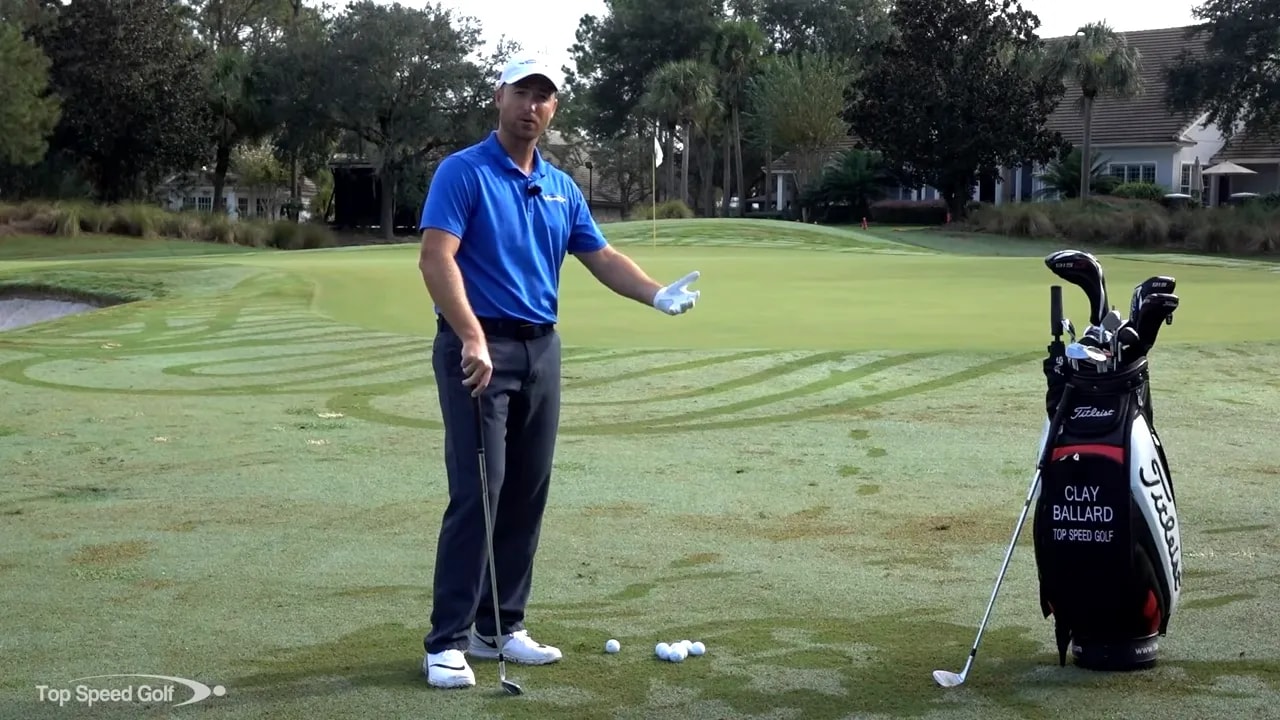
Chipping is about simplicity and speed control. Use it when you want the ball to hit the green quickly and roll to the hole.
Club selection
- Choose a lower-lofted club: 7-iron through 9-iron or low wedges for short bump-and-run styles.
- Lower loft reduces backspin and promotes rollout.
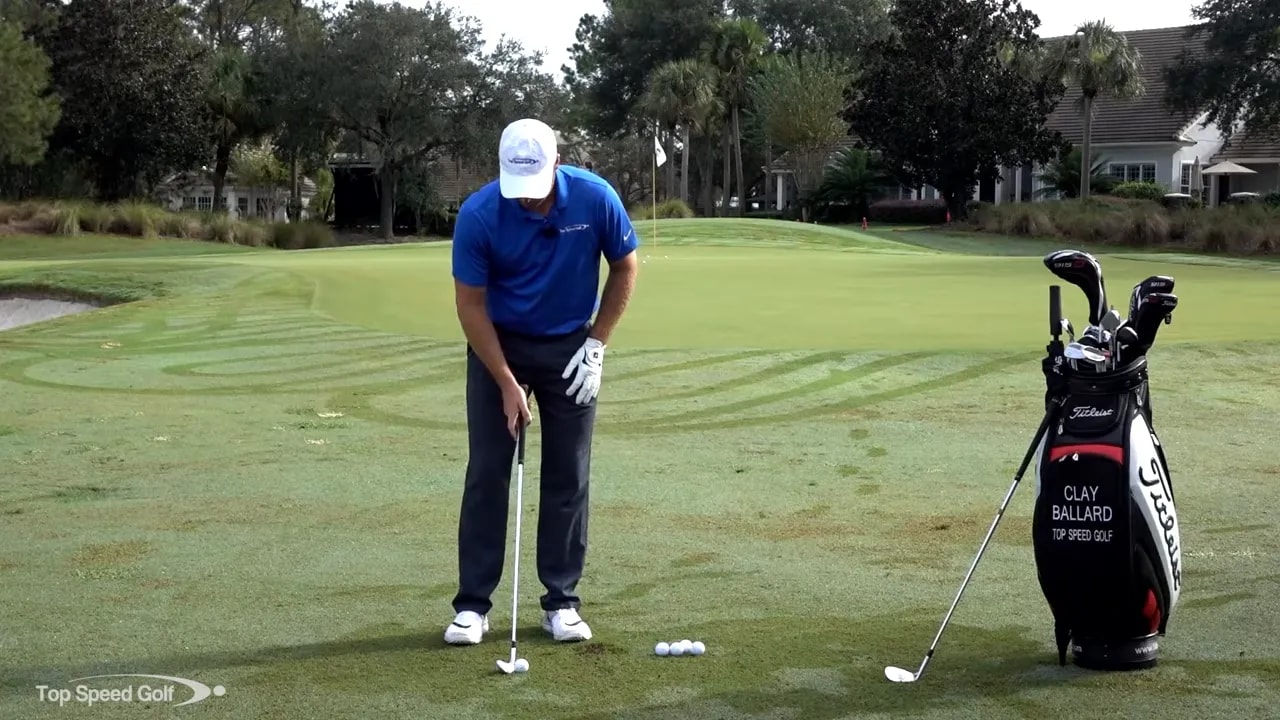
Setup checklist
- Stance: Narrow — feet about two to two-and-a-half clubhead widths apart.
- Ball position: Slightly back of center — about one clubhead width behind your lead foot so the club contacts before the body moves forward.
- Weight: Favor the lead foot — roughly 60 percent on the left side for right-handed players.
- Hands: Slight forward shaft lean but not excessive; hands soft, minimal wrist hinge.
- Lower body: Allow a small knee pivot through impact so the body rotates and prevents wrist breakdown.
Stroke and impact
- Think of the motion like a putting stroke with more body rotation. Keep wrists quiet.
- Use the bounce of the club to glide through the turf; avoid digging under the ball.
- Control speed first. Distance control is the biggest factor in successful chips.
The chip is the lower-technical-risk option when your priority is getting up-and-down. It is easier to repeat under pressure because it relies on a compact, consistent stroke rather than high-speed contact.
Step 4: How to pitch — setup and technique to create spin and stop the ball
Pitching aims to carry the ball farther, land it on a specific target area of the green, and create backspin to hold the landing spot. It requires a clean strike and a lofted club.
Club selection
- Primary choices: 56-degree or 60-degree wedge. These create the most spin when struck cleanly.
- In some cases a gap wedge can work, but expect less bite and less stopping power.
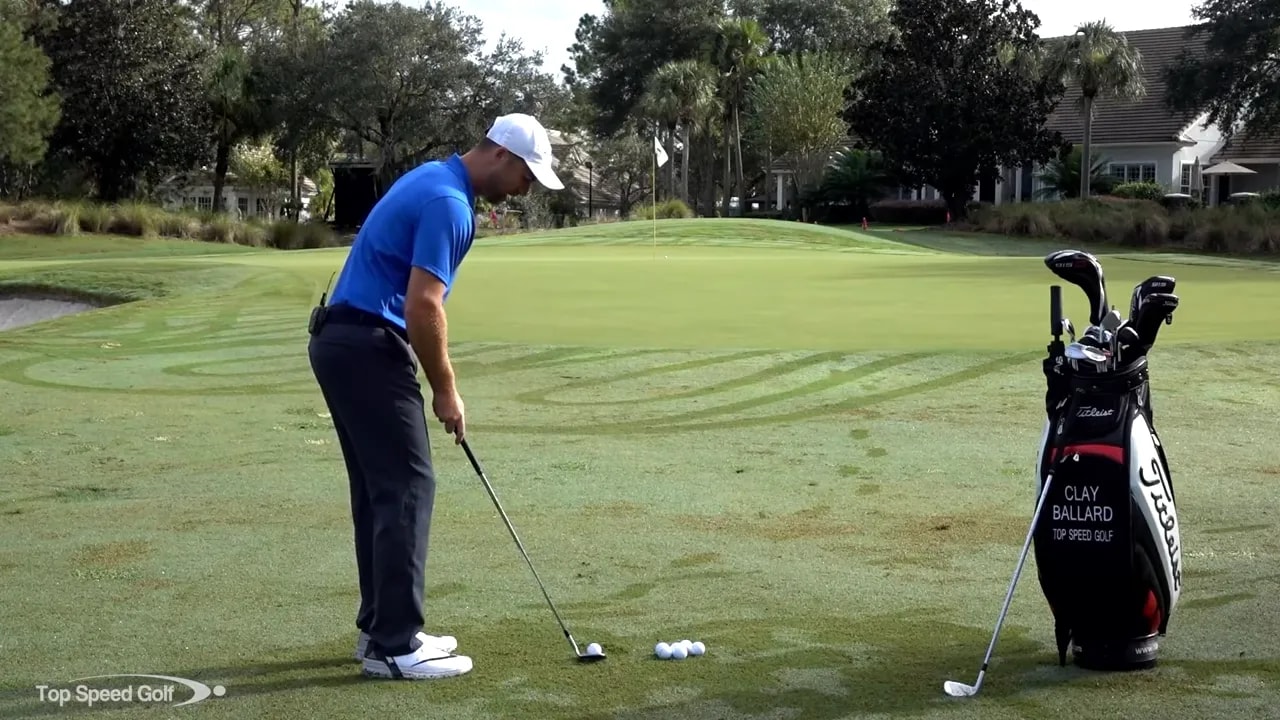
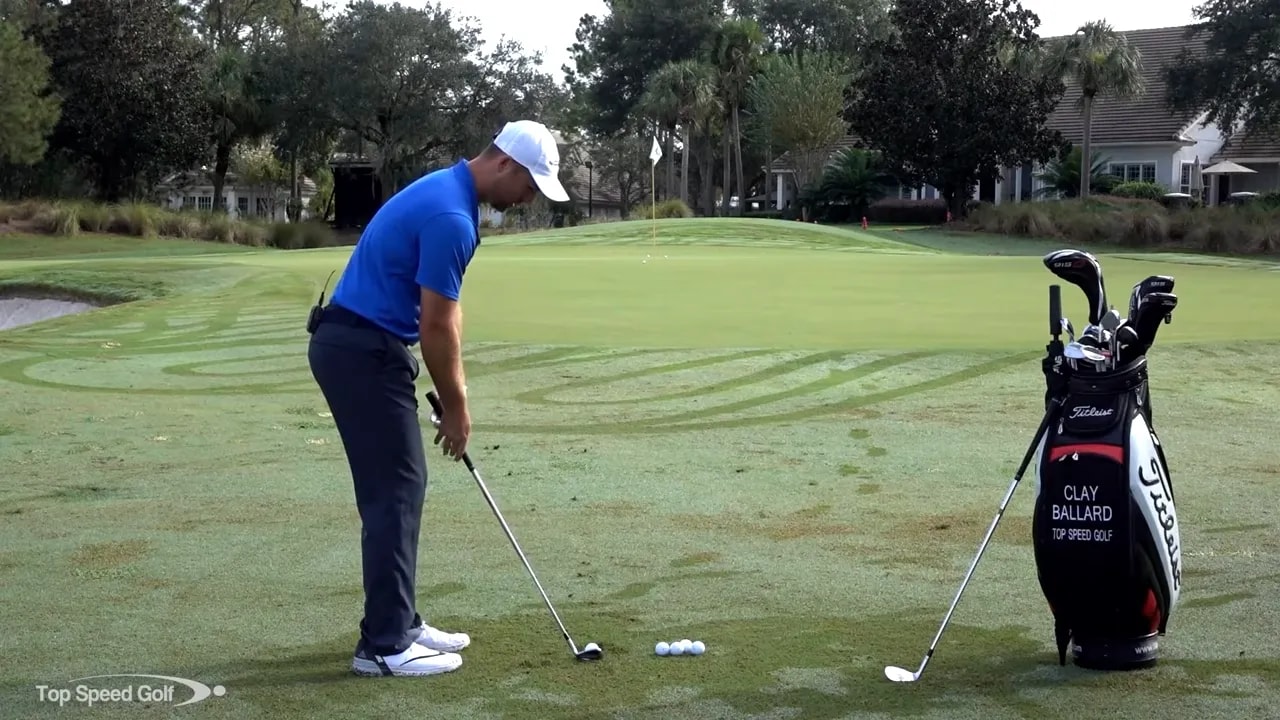
Setup checklist
- Stance: Similar to a chip: narrow and balanced. You can adjust ball position slightly forward or back to fine-tune launch and spin.
- Ball position: Close to center or slightly forward of center depending on desired launch angle.
- Weight and shaft lean: Slight forward shaft lean at address helps compress the ball and deliver clean contact.
- Wrist action: Allow the wrists to hinge more on the backswing. This stores energy to release through impact.
- Lower body: Aggressive rotation through impact—drive your knees and hips toward the target to promote acceleration.
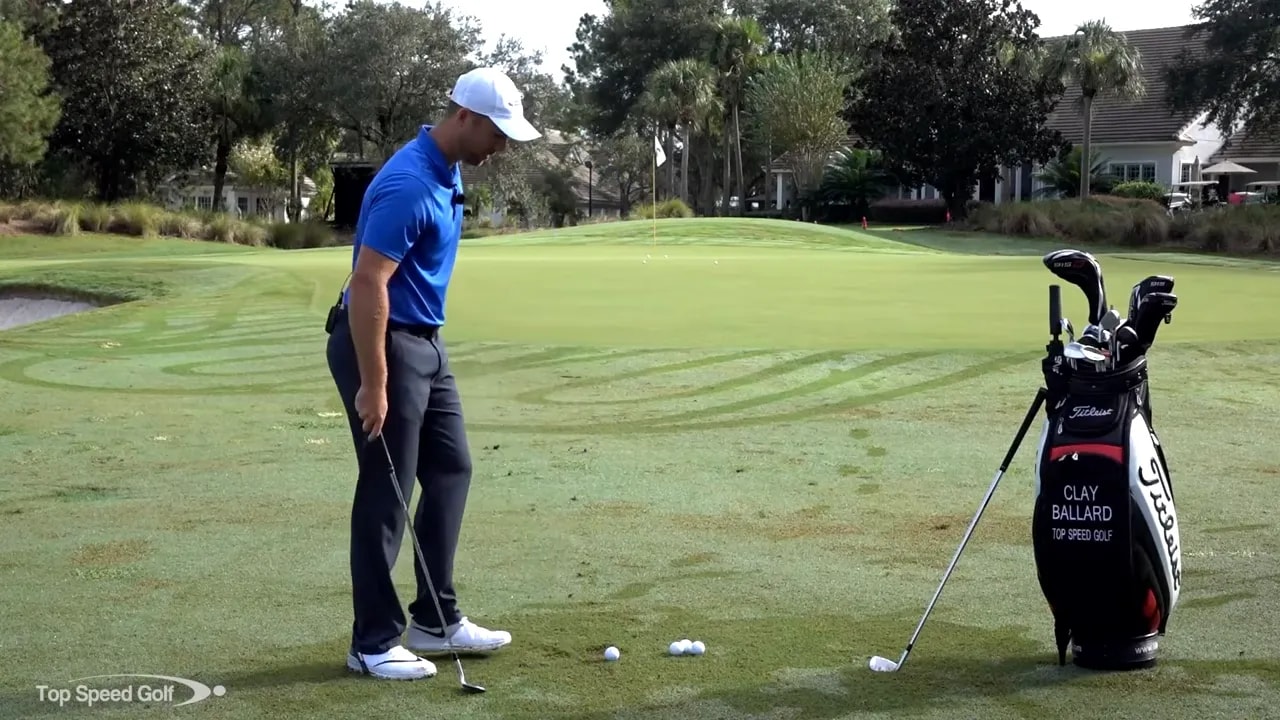
Strike and spin
- Hit down slightly so the club contacts the ball cleanly then continues through the turf.
- Create clubhead speed into impact while using loft to keep the shot from flying too far.
- Forward shaft lean helps you deliver the clubface in a slightly delofted but compressed position which increases spin.
- Keep the lead wrist firm through impact; breaking the left wrist increases loft at impact and reduces spin or lifts the ball into a flop-style shot.
Pitching requires cleaner contact and more precise technique, but it gives you the ability to hold a short-sided pin or stop the ball quickly from distance.
Step 5: Landing zone planning — where to land and how much roll to expect
Choosing a landing spot is critical. Visualize where the ball should land and how far it should roll. Break a green into thirds from the flag to the front edge and decide:
- Chip strategy: Land on the front third or a little before to allow rollout.
- Pitch strategy: Aim for the middle or back third to let the ball carry and check toward the flag.
Typical rollout patterns vary by club and green firmness. As a rough guide on medium-firm greens:
- Low-loft chip (7-9 iron): carry 20 to 40 percent of total distance, roll 60 to 80 percent.
- Mid-lofted wedge pitch (gap to pitching wedge): carry 50 to 70 percent, roll 30 to 50 percent.
- High-lofted wedge pitch (56-60 degrees): carry 70 to 90 percent, roll 10 to 30 percent and check more on spinny strikes.
These are estimates. Always factor in green slope, grass length, moisture, and wind.
Step 6: Conditions and edge cases that change the approach in golf
Several conditions affect whether you should chip or pitch and how to execute the shot.
- Wet or dewy turf: Water between ball and face drastically reduces spin. Favor chipping when the ground is wet because pitch spin will be unreliable.
- Heavy rough: Debris prevents clean contact and kills spin. Use a bump-and-run or take a more conservative chip.
- Bunkers or obstacles: If you must carry, choose a pitch with a lofted wedge and focus on clean contact.
- Tight lies: Require a crisp descending blow. Use cleaner-faced clubs and minimal wrist action.
- Fast greens: Chips will run farther; land chips earlier and pitches shorter to avoid overshooting.
Adjust your landing zone and club selection based on these variables.
Step 7: Simple practice drills to improve chips and pitches
Practice both shots deliberately with these drills.
Chip distance ladder
- Place targets at 5, 10, 15, and 20 yards of rollout on the practice green.
- Use the same club and focus on speed control to hit each target consistently.
Pitch landing-zone drill
- Pick a landing spot on the green (front, middle, back third) and place a towel or alignment stick in that location.
- Hit 10 pitches aiming to land on that spot. Track carry distance and how much the ball checks.
Clean-contact gate
- Set two tees slightly wider than the clubhead groove width on the ball’s target line.
- Practice hitting wedge shots without touching the tees. This promotes accurate low-face contact needed for spin.
Wet-condition simulation
- Sap the clubface lightly with a towel to mimic dampness and practice pitch shots. Notice the loss of bite and the need to adjust expectations.
Track your results over time. Record how often you land on the chosen zone and how much the ball runs or checks.
Step 8: Common mistakes and how to fix them
Here are frequent errors golfers make around the green and quick fixes.
- Too much wrist in chips: Leads to inconsistent contact. Fix: narrow stance, feel like a putting stroke with hip rotation.
- Sliding weight off lead foot: Causes chunks or thin shots. Fix: keep 60 percent weight forward and allow rotation rather than lateral slide.
- Standing up through the shot: Raises the club and alters launch. Fix: maintain posture and hinge through impact.
- Using the wrong club for conditions: Trying to pitch on wet or rough turf reduces spin dramatically. Fix: simplify to a chip when spin is unreliable.
- Breaking the lead wrist on pitches: Adds loft at impact and reduces spin. Fix: focus on a firm lead wrist and accelerating the body through contact.
Step 9: Pre-shot checklist for chips and pitches
Use this 6-point checklist before each short-game shot:
- Identify landing zone and intended rollout.
- Choose club that matches landing and rollout plan.
- Set narrow stance and ball position appropriate to chip or pitch.
- Set weight forward and establish slight shaft lean if pitching.
- Decide on wrist action: minimal for chip, hinge for pitch.
- Make a confident accelerating stroke and commit to the landing spot.
What distance should I chip vs pitch?
There is no strict yardage cutoff. As a rule of thumb: use chips for very short shots where you want the ball to run (typically inside 20 to 25 yards depending on your comfort), and pitches for shots where you must carry an obstacle or want the ball to stop quickly (often 20 to 40 yards with a wedge). Make decisions based on lie, green firmness, and pin position rather than distance alone.
Which clubs create the most backspin for pitch shots?
High-loft wedges—commonly 56-degree and 60-degree—produce the most spin when you have clean contact. Modern wedge grooves and properly cleaned faces help chop moisture and debris, allowing the face to grip the ball and generate backspin.
Why am I not getting spin on my pitch shots?
Common reasons include wet or dewy turf, debris between the ball and face, dirty grooves, imperfect strike (hitting the turf first or an open face), and insufficient clubhead speed into impact. Improve cleanliness of the clubface, practice clean downward strikes, and dry the face if conditions allow.
How should I practice for better short game performance?
Use targeted drills: distance ladder for chips, landing-zone practice for pitches, and a gate drill for clean contact. Practice different green speeds and lie conditions. Track results and practice under pressure by limiting attempts or adding small consequences for missed targets.
Can I always choose to chip instead of pitch to reduce errors?
Chipping is often safer and more repeatable, but it cannot always solve short-sided situations, hazards, or steep green contours. Use chipping when rollout is predictable and there’s room to run. When you must carry obstacles or need the ball to stop near the pin, develop pitching skills.
Takeaway: Make the right short-game choice every time in golf
The simplest framework to remember on the course:
- Chip when you want low spin, quick ground contact, and predictable rollout.
- Pitch when you need carry, high spin, and the ability to stop the ball quickly.
Practice both shots on the range and the practice green using the drills and checklists above. Hone your decision-making by deliberately choosing one option and analyzing the result. Over time you will develop a reliable feel for club selection, landing zones, and how different lies and conditions change outcomes on the golf course.
Use the techniques, pre-shot checklist, and drills here to start converting more short-game opportunities into pars and birdies.
0 Comments