
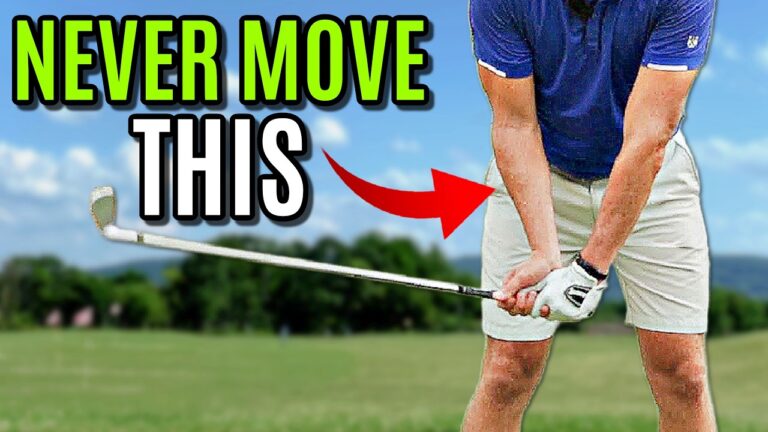

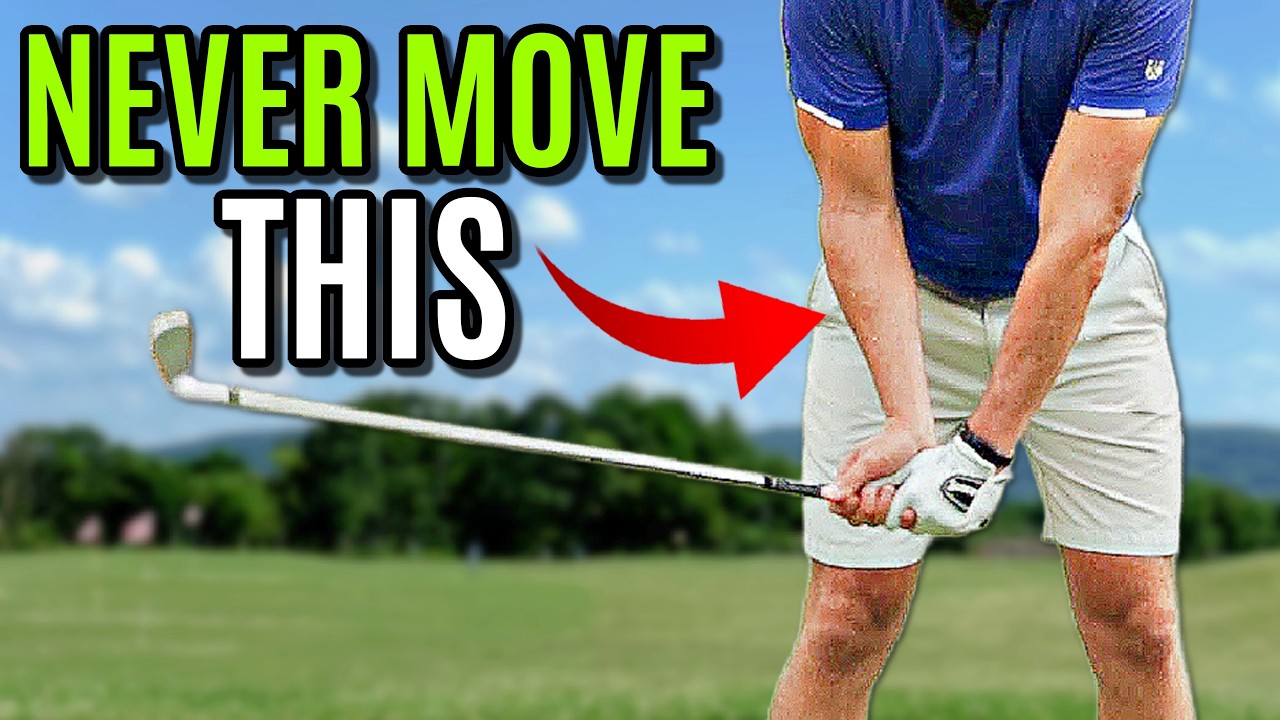
Golfers often struggle to maintain a consistent swing, spending countless hours on drills and trainers. But if you’re still struggling with thinned or fat shots, it’s time to focus on a crucial element: your trail elbow. By correcting your elbow position, you can significantly improve your swing and shot accuracy.
Why Your Elbow is Key to Fixing Early Release
The movement of your trail elbow dictates your wrist action during the downswing. When the elbow moves away from the body, the wrists naturally uncock, leading to early release and inconsistent shots. Focusing solely on wrist angles without considering elbow mechanics often leads to frustration and limited improvement.
If you lose the elbow, you can’t keep the wrist.
Keeping the trail elbow close to the lead arm prevents premature wrist movement and maintains shaft lean, the secret to steady impact control.
Visualizing and Feeling the Correct Elbow Position
To remedy the early release, understand the importance of three primary elbow positions:
- Position 1: Elbow too forward, causing structural loss.
- Position 2: Relaxed setup similar to address.
- Position 3: Elbow slightly rotated outward, aiding wrist angle preservation.
Aim to keep the trail elbow tightly tucked and angled outward as the swing progresses. This posture aligns your forearm correctly, supporting an effective impact with shaft lean.
Drill: The Elbow Squeeze
Integrate this simple yet powerful drill to improve your swing:
- Place a soft object between your arms to maintain elbow radius.
- Address the ball, ensuring the object stays in place during the swing.
- Execute short swings, focusing on maintaining the elbow squeeze throughout.
Consistent elbow tension fosters a compact swing, reducing structural flaws commonly leading to release issues.
Building a Progressive Practice Plan
Improve your swing through a structured practice program:
- Isolated Reps: Utilize the soft object for short swing repetitions.
- Controlled Half Swings: Emphasize elbow tension and impact feel.
- Progressive Length and Speed: Gradually extend swing length and speed while maintaining structure.
- One-Handed Integration: Focus solely on the trail arm to refine elbow-forward movement.
- Full Practice Swings: Transition the elbow mechanics to natural playing conditions.
Steadily increasing swing complexity without compromising form solidifies new motor patterns.
Ensuring Your Club Face Complements Your Swing
Your club face position early in the swing plays a crucial role in the effectiveness of your elbow adjustments. An open face can trigger compensatory movements, undermining your efforts. Ensure your club face aligns closely with the shaft, easing the transition of your elbows and forearms into consistent impact positions.
Frequently Asked Questions
Will elbow squeezing make my swing feel stiff?
Can I apply this technique with any club?
Final Thoughts and Next Steps
To overturn persistent swing issues, shift focus from merely holding lag to solidifying elbow mechanics. By ensuring your trail elbow directs the swing path and controlling the club face, you’ll achieve steady, controlled ball contact.
Commit to deliberate short practices, incrementally integrating complications as you build confidence. Use the checklist as a framework, gauge your progress on consistent contact quality, and watch as compression and precision naturally follow.
Patience and systematic practice will lead you to more gratifying and reliable golf experiences.
0 Comments