

Transform Your Golf Game with Effortless Backswing Rotation
If your backswing feels blocked, your shoulders don’t get under your chin, or you experience tension in your lower back, a simple change in setup and how you initiate the turn can unlock immediate range of motion. Dive into this guide to discover a practical sequence of setup checks and one crucial physical cue to achieve a freer, safer, and more powerful turn — all without forcing your trail knee to straighten. Our focus is mastering how to turn better in the backswing.
Table of Contents
- Step 1: Check the Two Setup Fundamentals to Turn Better in the Backswing
- Step 2: Use the Hip Bump Correctly to Unlock Your Rotation
- Step 3: Turn from the Right Pocket and Right Shoulder, Not the Right Knee
- Step 4: Practice the Motion Without a Club to Remove Mental Blocks
- Step 5: Use Checkpoints to Confirm You’re Set to Turn Better in the Backswing
- Step 6: Drills to Build the Pattern Into Your Full Swing
- Step 7: Troubleshooting Common Issues
- How This Approach Protects Your Lower Back
- Putting It All Together: A Simple Routine Before You Hit Balls
- How Much Should My Right Knee Move During the Turn?
- How Large Should the Hip Bump Be to Turn Better in the Backswing?
- If I Can Do It Without a Club, Why Does It Feel Harder With a Club?
- Will Changing Ball Position or Club Height Help Me Get More Rotation?
- Can This Technique Reduce Lower Back Pain?
Step 1: Check the Two Setup Fundamentals to Turn Better in the Backswing
Before focusing on your turn, ensure two basic elements of your setup are correct, as foundational mistakes can hinder your progress.
- Shoulders and Feet Square: Align your shoulders and feet slightly closed rather than open to enable a fuller turn.
- Right Hip Inside the Right Instep: Position your right hip slightly inside your right foot. This position enables natural movement into the turn.
When you align your shoulders and feet properly and position your right hip inside the right foot, you set the stage for effective rotation, starting at the torso, not forcing your knee.
Step 2: Use the Hip Bump Correctly to Unlock Your Rotation
Visualize the beginning of your backswing as a subtle hip bump that prepares your body for rotation. Avoid an exaggerated motion, keeping the bump small enough for effective movement.
- Shifts Pressure: Relieves pressure from the trail foot, allowing for rotation without knee force.
- Prevents Feeling Stuck: Reduces the chance of your club pointing inward during the backswing.
- Creates Rotational Space: Helps your right shoulder move back, while your left shoulder tucks under your chin.
Execute a small, controlled bump. Ensure the right hip is inside the right instep, then let your torso rotate. You’ll notice increased range of motion immediately and reduced lower back strain.
Step 3: Turn from the Right Pocket and Right Shoulder, Not the Right Knee
The critical cue for rotation is initiating movement from your right pocket and shoulder, not by shifting your trail knee. This approach prevents torque-related injuries.
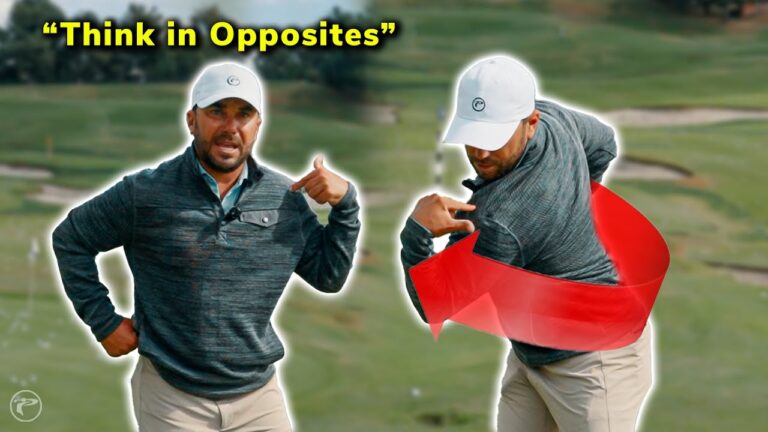
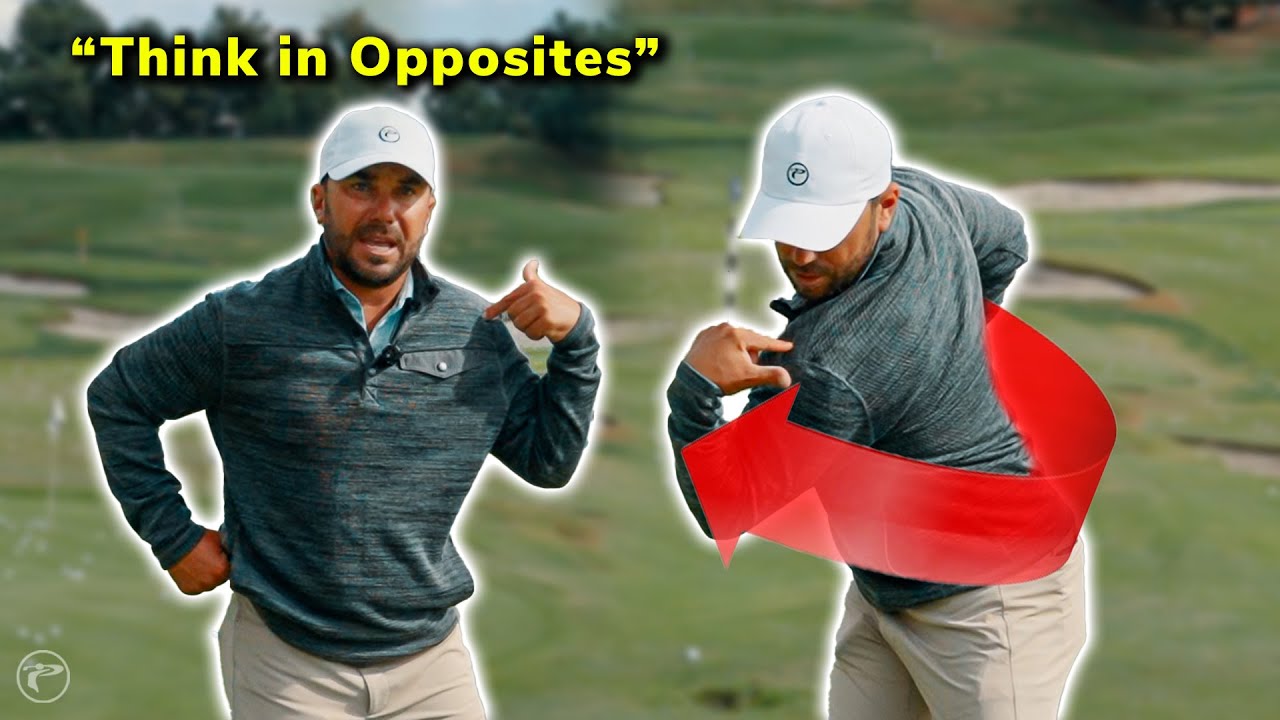
Imagine grabbing the belt loop at your right pocket and rotating it back, allowing your lead shoulder to position under your chin naturally. This action fosters an upper-body rotation without over-reliance on the knee.
Step 4: Practice the Motion Without a Club to Remove Mental Blocks
Many golfers unlock their turn when practicing without a club but tighten up once holding one due to mental barriers, not physical constraints. Follow this practice sequence:
- Stand in your regular golfing posture without a club.
- Align your shoulders and feet correctly; set your right hip inside the right instep.
- Initiate a small bump and turn your right pocket back while maintaining a flexed trail knee.
- Practice until comfortable before incorporating a club.
Step 5: Use Checkpoints to Confirm You’re Set to Turn Better in the Backswing
Before swinging, ensure you’re set up for success with this quick checklist.
- Right Pocket Alignment: Ensure your right pocket aligns inside your right instep.
- Square Shoulders and Feet: Position them for a neutral, effective base.
- Club Position: At takeaway, the club should point slightly to the right of your body.
- Ball and Club Position: Adjust ball position slightly forward and club lower at address for easier leverage.
Step 6: Drills to Build the Pattern Into Your Full Swing
Use these drills in a step-by-step manner to integrate new movements into your swing naturally.
- Mirror Drill: Set up square, execute the hip bump, and observe the shoulder movements.
- No-Club Reps: Practice the first half of your backswing without a club, focusing on position.
- Slow Swing: Use half swings emphasizing right pocket rotation over force.
- Progressive Ball Hitting: Begin with short wedges, then move to mid-irons and longer clubs.
Step 7: Troubleshooting Common Issues
If you experience difficulties, consider these frequent errors:
- Overemphasizing Upper Body: Ensure your lower body actively contributes to the swing by reassessing your hip/pocket connection.
- Excessive Hip Bumping: Avoid locking your turn with too much lateral movement.
- Forcing the Knee: Maintain a soft bend instead of straightening your trail knee.
- Open Setup: Transition to a square setup to enhance natural rotation.
How This Approach Protects Your Lower Back
This method is gentle on the lower back because it involves coordinated motion between the hips and torso, reducing back compensation. As a result, golfers often find increased motion range without additional pain or injury risk.
Putting It All Together: A Simple Routine Before You Hit Balls
- Assume your posture with square shoulders and feet, with the right hip inside the right instep.
- Execute a hip bump to establish your lower body’s readiness.
- Rotate your right pocket back, letting your left shoulder tuck under the chin.
- Gradually transition to controlled half swings, maintaining the configuration.
- Proceed to full swings after consistent practice.
Embrace this routine in your warm-up sessions. You’ll find your club moves outside the body easier, with a more reliable top-swing position.
How much should my right knee move during the turn?
How large should the hip bump be to turn better in the backswing?
If I can do it without a club, why does it feel harder with a club?
Will changing ball position or club height help me get more rotation?
Can this technique reduce lower back pain?
Experience an effortless backswing with the right setup. With square shoulders and feet, the right hip inside the right instep, and a controlled, subtle hip bump, you can achieve better rotation with reduced effort, enhancing your golf performance.
0 Comments