


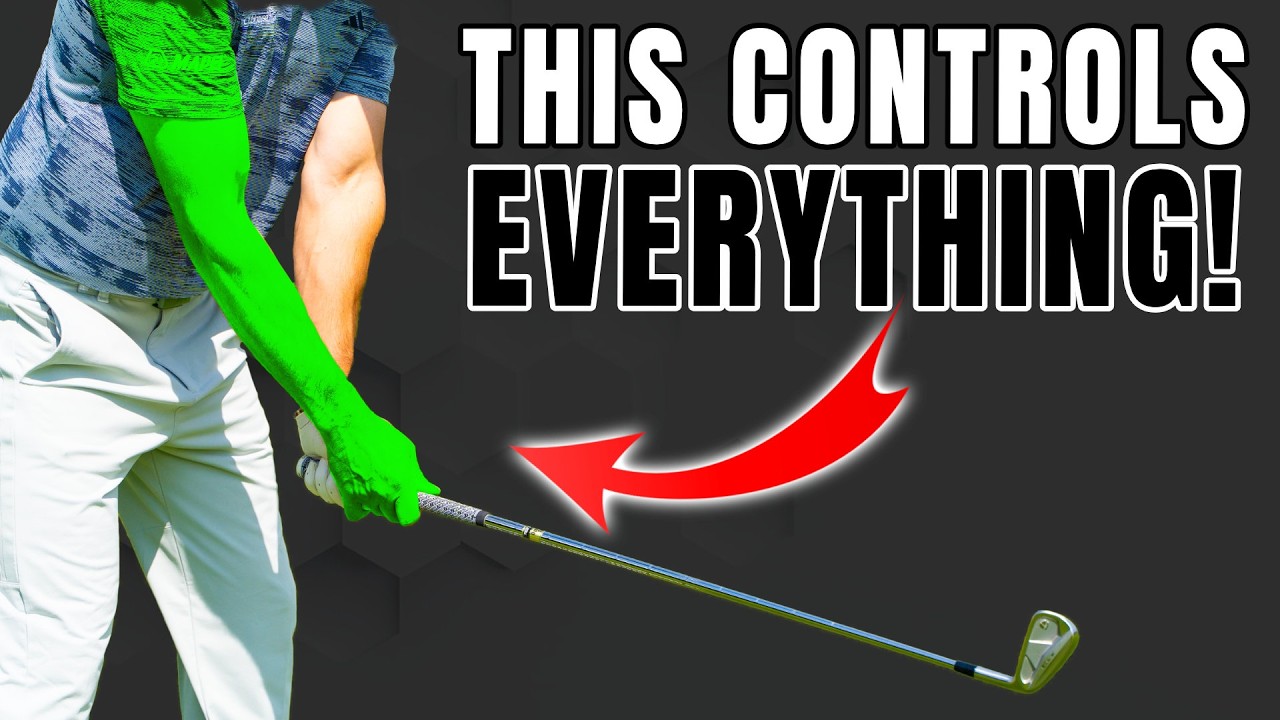
Unleash the potential of your golf swing by mastering the trail arm. A straightforward tweak can transform your game, offering increased power and precision. Discover the secret techniques used by the pros below and start shaving strokes off your score.
Table of Contents
- Step 1: Create Easy Power with Your Trail Arm for More Golf Speed
- Step 2: Become Deadly Accurate by Controlling the Clubface with Your Trail Wrist
- Step 3: Set the Perfect Golf Swing Shape by Leading with the Trail Elbow
- Step 4: Avoid the Lag Trap and Keep the Clubhead Behind for Better Golf Rotation
- How to Combine These Trail-Arm Moves into a Practical Golf Practice Routine
- Common Golf Faults Related to the Trail Arm and How to Fix Them
- Practical Tips and Feel Words for the Trail Arm in Golf
- Final Golf Tip: Prioritize Feelful Reps Over Mechanical Fixes
Step 1: Create Easy Power with Your Trail Arm for More Golf Speed
Power in golf isn’t just about big muscles or long backswing. Much of your clubhead speed results from two crucial actions of the trail arm: wrist hinge and arm bend. By bending the trail arm and hinging the wrist, you store energy. During the swing, the release of these angles generates significant speed.
- Equipment: One golf club and an alignment stick positioned two feet outside your trail-side ball position.
- Set up: Grip the club with your trail hand only, resting your index finger on top of the grip to monitor wrist motion.
- Drill action: Take a brief backswing while actively pushing the grip downward with your trail hand. This motion lifts the clubhead and creates a noticeable bend in the trail arm and wrist.
- Checkpoint: From above, the club should appear to point behind the alignment stick when your trail hand pushes down. This indicates you have essential arm bend and wrist hinge.
- Reps: Execute 10 slow reps focused on feeling the movement, then 10 with increased speed. Finish with 5 full swings, maintaining the trail-arm set in the backswing.
For a powerful cue, picture yourself helicoptering the club down the fairway. Naturally, you’ll bend your arm and wrist to generate rotational force. This drill helps you harness that force smoothly, increasing speed from the trail arm rather than unnecessary body force.
Step 2: Become Deadly Accurate by Controlling the Clubface with Your Trail Wrist
Golf accuracy often hinges on the face angle at impact. Minor errors in the trail wrist’s positioning during the backswing can cause the clubface to be excessively open or closed at the top. Optimal trail wrist positioning is straightforward: extend the wrist so your knuckles move back toward your forearm.
- Set up: Transition the club to your takeaway or mid-backswing position.
- Drill action: Stabilize your forearm with your lead hand and rotate the clubface open and closed using only the trail wrist. You should observe face changes without significant forearm movement.
- Checkpoint: At the backswing’s summit, ensure your trail wrist is markedly extended. Envision pulling your knuckles toward your forearm so the wrist rests underneath the club shaft and grip.
- Reps: 15 wrist-only reps followed by 10 swings, maintaining an extended wrist throughout the backswing.
Why it matters: When your trail wrist remains under the shaft, the face is more likely to strike squarely. This position provides a much greater chance of hitting straighter shots.
Step 3: Set the Perfect Golf Swing Shape by Leading with the Trail Elbow
The trail elbow significantly influences the club’s delivery path. If the elbow stalls or misdirects, the shaft can steepen, leading the club onto an incorrect plane. For optimal performance, the trail elbow should guide the hands and grip toward the ball.
- Set up: Use only your trail hand to hold the club, standing upright without assuming full golf posture.
- Drill action: Begin with a backswing, then lead the downswing with the trail elbow. Let the elbow move forward and down toward the ball, guiding the grip and clubhead similarly.
- Checkpoint: At the downswing’s start, the grip should aim roughly at the ball. If the shaft appears steep, the elbow likely pointed upward and backward instead of forward.
- Reps: Conduct 10 slow reps with focus on the elbow leading, followed by 10 faster reps striving to maintain a shallow, front chest-delivery of the club.
Leading with the elbow aids in generating a swing shape that strikes the ball cleanly and reduces common errors like over-the-top swings or out-to-in paths.
Step 4: Avoid the Lag Trap and Keep the Clubhead Behind for Better Golf Rotation
“Hold the lag” is a frequent coaching cue in golf. While preserving the angle between the lead arm and club shaft is advantageous, clinging to the lag angle often leads golfers astray. Many mistake holding lag for maintaining the correct club shaft angle or rotation, potentially leading to misplaced swings.
- Key difference: Holding lag prioritizes preserving elbow/shaft geometry. Maintaining club shaft angle ensures the clubhead remains behind, sustaining rotation.
- Fault to avoid: Holding lag while allowing the club to slide forward creates an incorrect path, often resulting in a slice or block.
- Drill: With only your trail hand guiding the club, execute a backswing, ensuring the clubhead remains behind during transition, resisting the urge to push towards the ball prematurely.
- Reps: Execute 10 slow moves, focusing on keeping the clubhead lagging, then 10 quicker reps concentrating on rotation rather than a wrist flick.
By keeping the clubhead behind while rotating, stored energy releases efficiently, promoting a fuller turn and better clubface control at impact. Mastering this gives you the modern golfing edge.
How to Combine These Trail-Arm Moves into a Practical Golf Practice Routine
Fast improvement comes from focusing on one element, then blending them for a cohesive routine. Over a 20 to 30-minute practice session, consider this progression:
- Warm-up (5 minutes): Gentle swings with a relaxed grip and rhythm, emphasizing the elbow-leading feel without full speed.
- Power drill (8 minutes): Trail-hand only, push the grip down, creating wrist hinge and arm bend behind the alignment stick. Execute 3 sets of 10 reps with slow focus, then a couple of full swings.
- Face control drill (6 minutes): At takeaway, using only the trail wrist to open and close the face. Conclude by completing swings, maintaining wrist extension at the top.
- Shape and delivery (6 minutes): Trail-hand only elbow leading reps, followed by full swings integrating the elbow lead with wristing under the shaft, ensuring the clubhead stays behind.
- Full swing integration (5-10 minutes): Hit balls focusing on one prominent feel per swing: power setup, wrist extension, elbow lead, clubhead behind. Shift feelings every 3-4 shots to prevent confusion.
Track your progress by observing changes in ball flight, distance, and dispersion. Small, consistent adjustments in the trail arm lead to substantial improvements.
Common Golf Faults Related to the Trail Arm and How to Fix Them
- Face way open at the top: Pull the trail knuckles toward the forearm and position the wrist under the shaft during your backswing.
- Club shaft too steep on the downswing: Lead with the trail elbow, rather than the hands.
- Early release or flip: Keep the clubhead behind during transition, focusing on rotation instead of lag.
- Low speed or lack of power: Practice the push-grip drill to generate arm bend and wrist hinge, adding real speed to your shots.
Practical Tips and Feel Words for the Trail Arm in Golf
- “Push the grip down” — initiates arm bend and wrist hinge for power.
- “Pull knuckles back” — adjusts the trail wrist to control the face.
- “Elbow leads” — promotes a shallow delivery and optimal swing shape.
- “Clubhead behind” — maintains rotation, preventing premature release.
- Focus on one element per practice to prevent blending cues too soon.
Frequently Asked Questions
How long will it take to feel a difference in my golf swing after practicing these trail-arm drills?
Can these trail-arm changes add distance to my golf shots?
What if leading with the elbow causes me to come over the top or slice?
Is holding lag still useful in golf practice?
How do I know if my trail wrist is under the shaft at the top?
Final Golf Tip: Prioritize Feelful Reps Over Mechanical Fixes
Although these trail-arm enhancements are conceptually simple, they require harmonious movement. The quickest route to lasting change is consistent, mindful repetition with clear focus: push the grip down, pull knuckles back, lead with the elbow, and keep the clubhead lagging. Practice each drill slowly, gradually adding speed while maintaining key checkpoints. Over time, your golf swing will become more natural, and your shots will reflect these improvements.
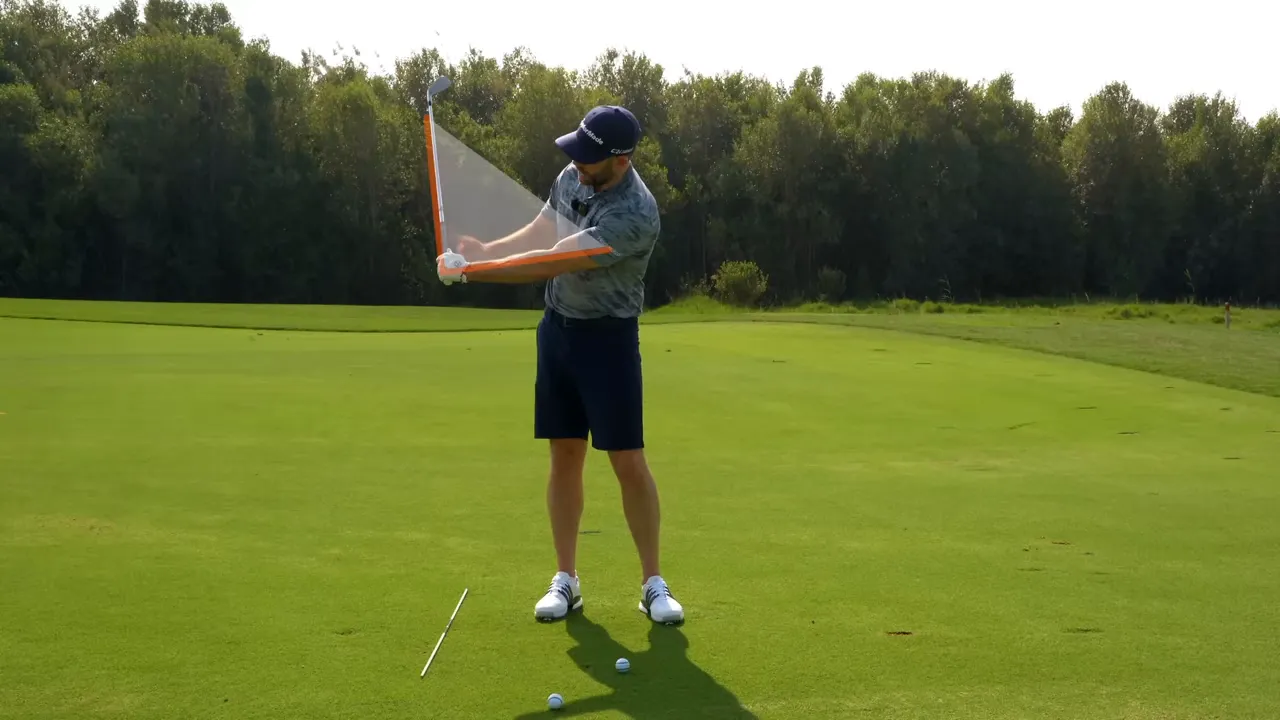
During your practice sessions this week, prioritize focusing on the trail arm. A minor adjustment here can significantly enhance your speed, tighten dispersion, and create a more consistent, powerful golf swing.
0 Comments